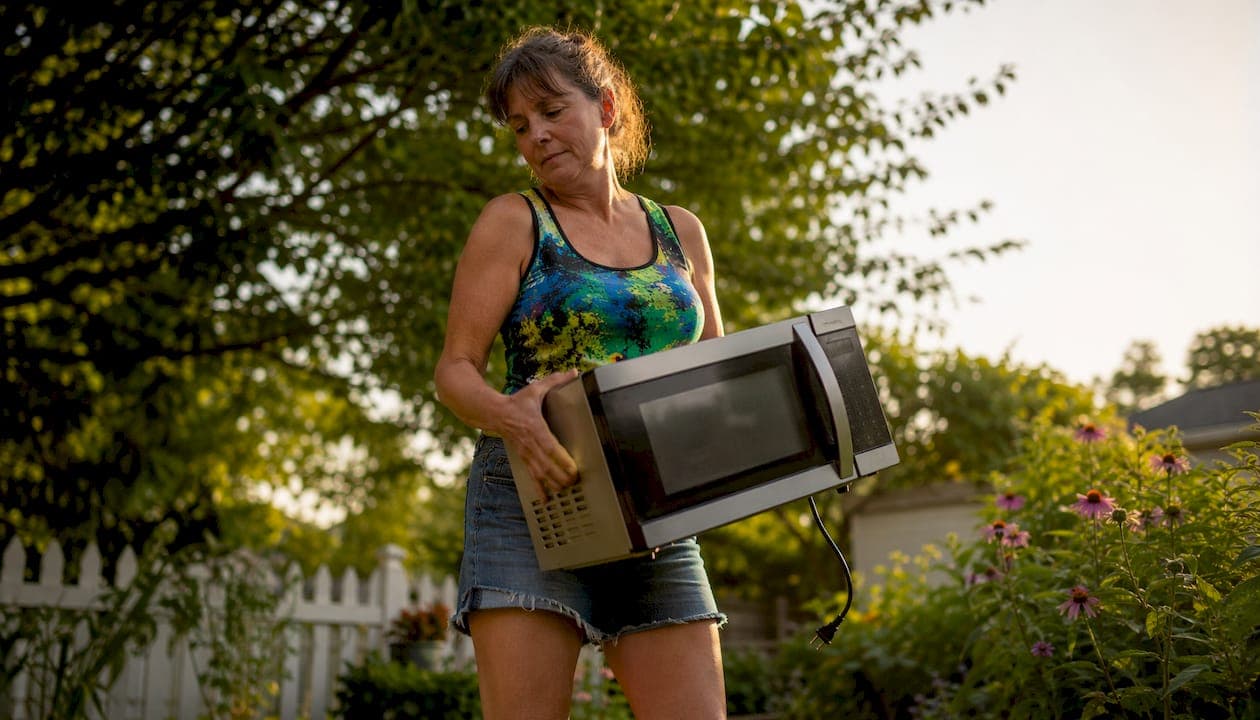
Tossing your old microwave in the trash is not just wasteful. In many U.S. jurisdictions, it is illegal. Microwaves are classified as e-waste because their circuit boards contain hazardous materials including mercury and lead. That puts them in the same regulated category as televisions and computers, not the same bin as your cardboard boxes. Your three best options:
- Drop off at a certified e-waste recycling center that accepts small appliances (call ahead, since not every facility does)
- Schedule a municipal hazardous waste collection day, offered by many counties on a quarterly or annual basis
- Book a licensed junk removal service like Easyscrapofficial, which handles transport, recycling compliance, and disposal paperwork for you
The third option is the most convenient for most homeowners and businesses, especially when you are clearing out multiple appliances at once.
Table of Contents
- Why microwaves can't just go to the curb
- How to dispose of a microwave the right way
- Easyscrapofficial handles appliance removal so you don't have to
- Useful resources for microwave disposal in the U.S.
- Key Takeaways
Why microwaves can't just go to the curb
The heavy metals inside a microwave do not stay contained once the unit ends up in a landfill. Lead and mercury leach into soil and groundwater, which is exactly why municipal waste authorities across the country have moved to ban appliances from standard trash streams. Improper disposal of electronics drives strict local e-waste regulations, and the fines for violations are real. Depending on your jurisdiction, illegal dumping of appliances can carry significant penalties.
The EPA's appliance disposal guidelines also flag hazardous materials in major household appliances, including mercury switches and capacitors, that require removal before recycling or landfilling. That is not something a curbside crew is equipped to handle.
The scale of the problem is worth understanding. According to The Spruce, a very large amount of e-waste is generated globally every year from discarded electronics and appliances, with projections suggesting that figure is expected to increase significantly in the coming years. Microwaves are a small but consistent piece of that total.
Certified e-waste centers solve this by safely isolating hazardous components and recovering metals and plastics for reuse, keeping those materials out of the waste stream entirely.
How to dispose of a microwave the right way
Follow these steps to stay compliant and avoid unnecessary waste.
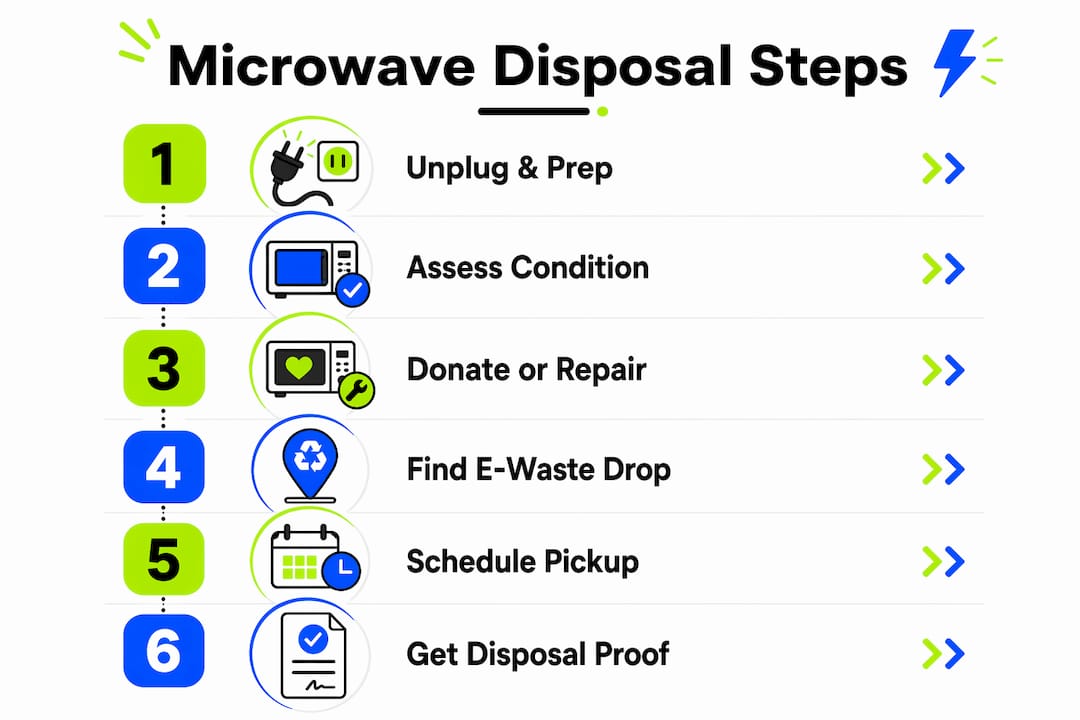
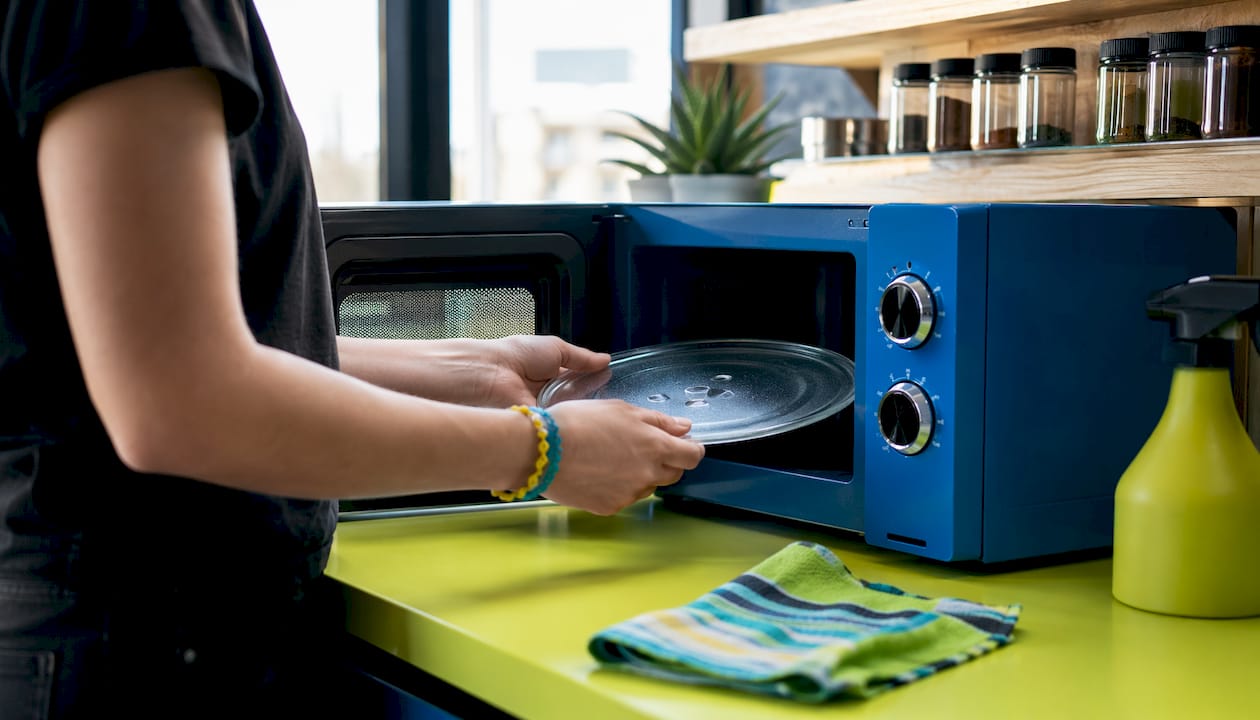
Step 1: Unplug and prep the unit. Remove the glass turntable tray, wipe out the interior, and set aside any accessories. Wear gloves if the unit is damaged or cracked.
Step 2: Check whether it actually needs to go. Disposal should be a last resort. Many microwave problems are cheaper to fix than you think. A sparking or arcing microwave, for example, is often caused by a damaged waveguide cover, the small plastic or mica square on the inside wall. Replacing that cover costs a few dollars and takes minutes.
Step 3: If it works, consider donating it. Organizations like Habitat for Humanity ReStore, Goodwill, and the Salvation Army accept working appliances. Some will even schedule a free pickup.
Step 4: Find a compliant disposal option. Look up your county's e-waste drop-off schedule or municipal collection program. Not every recycling center accepts microwaves, so verify before you load it in the car. The NYC Department of Sanitation, for instance, classifies microwaves as large items to be set out with recycling on designated days. Rules vary widely by city and county.
Step 5: Book a professional pickup if you want it handled for you. Licensed appliance removal services like Easyscrapofficial take care of transport, certified recycling, and any required documentation. This is especially useful when you are disposing of multiple appliances, such as a washer, dishwasher, and microwave at the same time.
Step 6: Ask for proof of responsible disposal. A reputable hauler should be able to confirm that your appliance went to a certified facility, not a landfill.
Pro Tip: Before scheduling disposal, check whether the microwave manufacturer offers a take-back program. Some brands accept old units and recover parts for new production.
Easyscrapofficial handles appliance removal so you don't have to
Replacing a microwave is easy. Getting rid of the old one legally and without a trip across town is where most people get stuck.
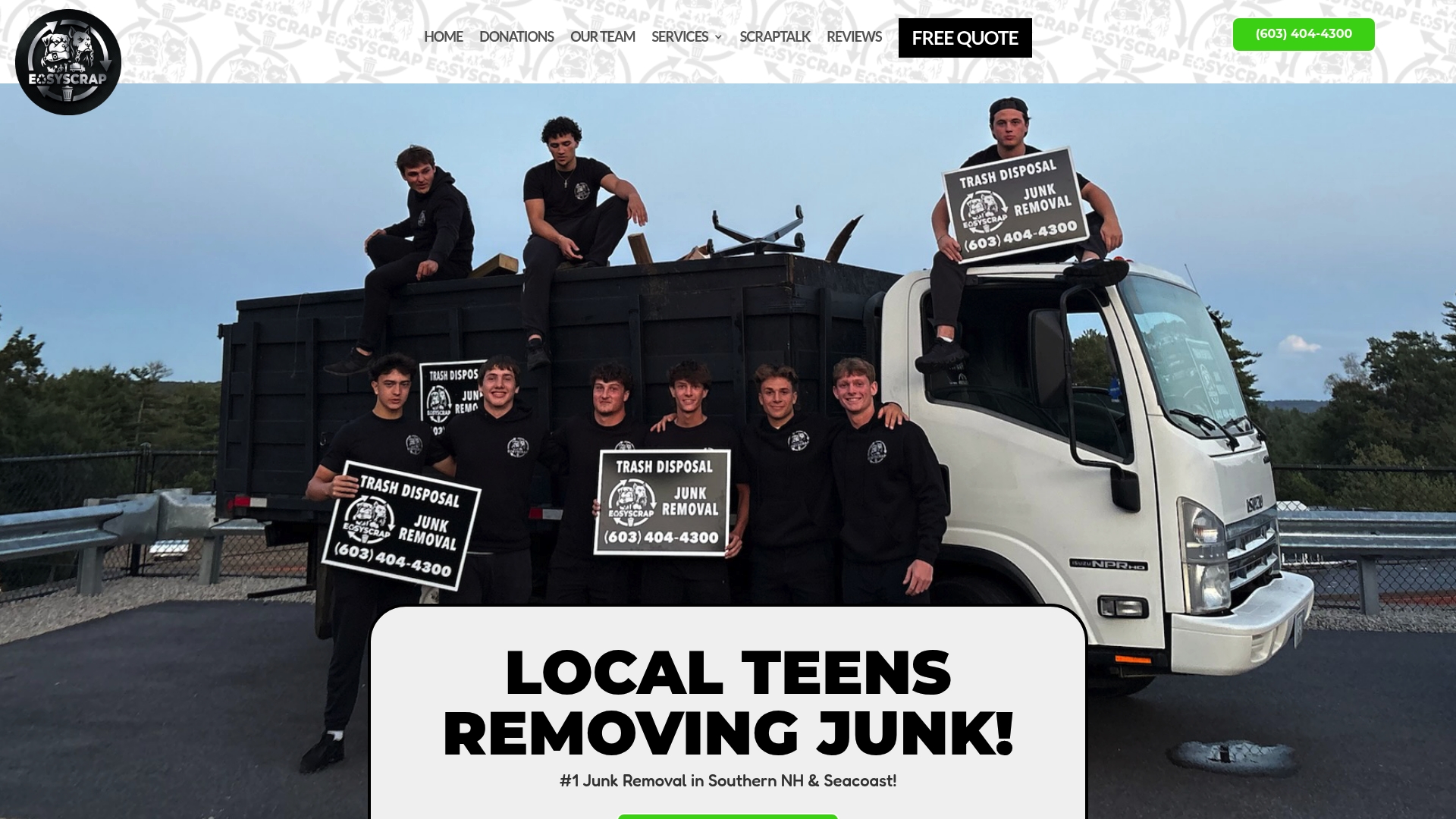
Easyscrapofficial offers scheduled appliance removal for homeowners and businesses across Lawrence, Andover, Boston, Lowell, and Haverhill. The crew is fully insured, handles all the heavy lifting, and routes appliances to certified recycling facilities in compliance with local e-waste rules. Whether you are clearing out a single countertop microwave or a full kitchen's worth of old appliances, including washers, dryers, dishwashers, and water heaters, Easyscrapofficial manages the whole job. Free quotes, same-day availability, and no surprise fees. Get a free quote for junk removal and have it gone today.
Useful resources for microwave disposal in the U.S.
If you want to research your local rules before booking anything, these are the most reliable places to start:
- EPA Appliances Quick Start Guide — covers federal requirements for hazardous materials in major appliances, including microwaves
- NYC DSNY Appliance Disposal Rules — a clear example of how a major city handles large appliance set-out rules
- DC Zero Waste "What Goes Where" Tool — useful for District residents to check item-specific disposal guidance
- Ventura County Public Works on Microwaves — one of the clearest municipal guides on why microwaves require specialized handling
- Easyscrapofficial Appliance Removal — book a pickup for microwaves, washers, dryers, dishwashers, and more
Always verify your specific city or county rules directly, since e-waste regulations differ significantly across states and municipalities.
Key Takeaways
Microwaves are regulated e-waste in most U.S. jurisdictions, and the safest, most compliant disposal method is a certified professional removal service.
| Point | Details |
|---|---|
| Microwaves are e-waste | Hazardous components like lead and mercury make curbside trash disposal illegal in many U.S. areas. |
| Repair before disposing | A damaged waveguide cover causes most sparking issues and costs a small amount to replace. |
| Verify local rules | Not all recycling centers accept microwaves; check your county's e-waste program before drop-off. |
| Professional removal is simplest | Licensed haulers handle transport, certified recycling, and compliance documentation in one visit. |
| Easyscrapofficial | Serves Lawrence, Andover, Boston, Lowell, and Haverhill with insured appliance removal and eco-friendly disposal. |