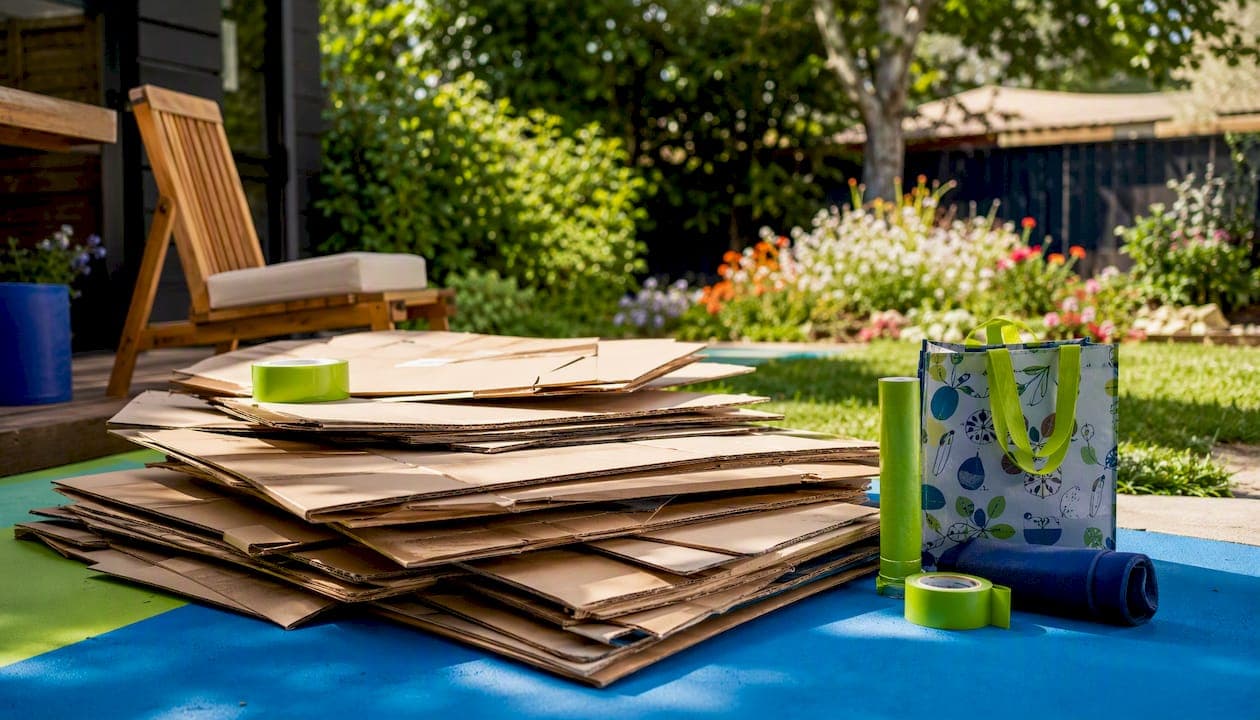
Flatten, sort, then donate or recycle: that's the fastest responsible way to deal with moving boxes once the last picture is hung. Most of what's cluttering your garage right now still has useful life left in it, so recycling should be your last stop, not your first move.
Here's what to do in the next hour:
- Keep a handful of sturdy boxes for storage or next year's holiday decorations.
- Give away the rest through U-Haul's Take a Box, Leave a Box® program, Nextdoor, or Freecycle before anyone touches a recycling bin.
- Recycle whatever's left, but only after checking that it's clean, dry, and cut to fit your city's curbside rules.
If boxes are greasy, soaked, or coated in wax, skip the recycling cart. Compost them where allowed, or set them aside for trash pickup instead.
Boxes that are clean, dry, and broken down go in recycling. Boxes that are wet, greasy, or wax coated do not belong there at all. That single filter decides ninety percent of what you do next.
Key Takeaways
Reusing or donating usable moving boxes delivers more value than recycling them, and recycling still beats sending clean cardboard to a landfill.
| Point | Details |
|---|---|
| Prep before anything else | Flatten boxes, strip tape and labels, and keep everything dry before recycling or donating. |
| Donate before you recycle | Post usable boxes on U-Haul Take a Box, Leave a Box®, Nextdoor, or Freecycle within 24 to 48 hours. |
| Check your city's rules first | Confirm bundle size and set-out day on your municipal recycling page before curb day. |
| Match volume to the right method | Use curbside for small loads, a transfer station for a mid-size pile, and junk removal for full-house volume. |
| EasyScrap for same-day cleanup | EasyScrap offers insured, same-day pickup across Lawrence, Andover, Boston, Lowell, and Haverhill, prioritizing donation and recycling. |
Where to Check Local Rules and Find Donation Options
- Search your city's public works or environmental services page for terms like "cardboard recycling rules" or "bulk pickup appointment."
- Look up your nearest U-Haul location's Take a Box, Leave a Box® area for in-person exchanges.
- Check your municipal transfer station's posted hours before making a drop-off trip, since many require advance scheduling for large loads.
- Confirm any hauler-specific bundling or size limits directly on their website, since these vary block by block in some cities.
Table of Contents
- How to Prepare Moving Boxes for Disposal and Recycling
- Curbside Pickup vs. Drop-Off: Checking Your Local Rules
- Where to Donate or Give Away Used Moving Boxes
- Creative Ways to Reuse Moving Boxes at Home
- What Cardboard You Should Never Put in Recycling
- Handling Large Volumes After a Whole-House Move
- When to Call a Junk Removal Service Instead of DIY
- If You Want It Gone Today, EasyScrap Handles the Heavy Lifting
- Sources
How to Prepare Moving Boxes for Disposal and Recycling
Recycling facilities reject cardboard more often than most people expect, usually because of a prep step nobody bothered with. Getting this right the first time saves you a second trip to the curb.
- Empty every box completely. Packing peanuts, bubble wrap, and plastic bags are contaminants that jam sorting equipment.
- Remove tape, labels, and staples. Paper tape can sometimes pass, but plastic packing tape and shipping labels need to come off by hand.
- Flatten each box. Fold along the existing creases so it lies flat. This isn't optional. Uncollapsed boxes take up too much room in a truck and many haulers won't take them shaped like a box at all.
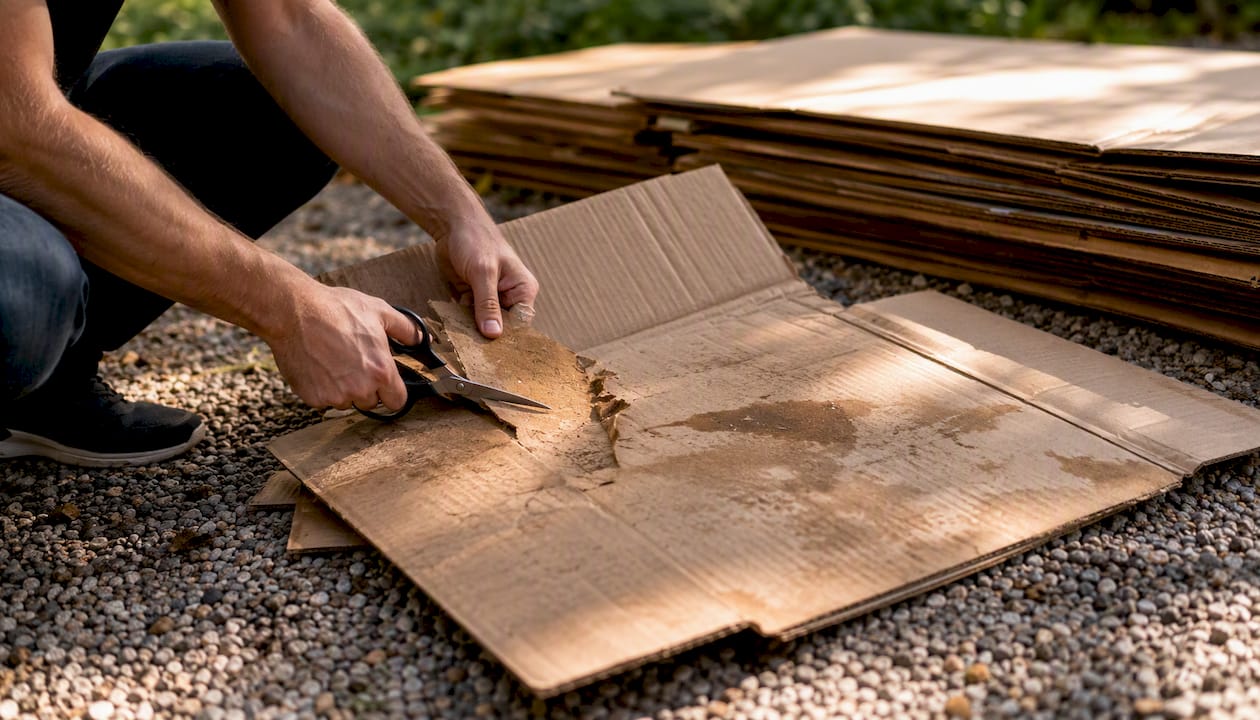
- Cut oversized boxes down. Wardrobe boxes and TV boxes are often too big for a recycling cart. Slice them into smaller, cart-sized pieces with a box cutter.
- Keep everything dry. Store flattened cardboard somewhere covered until pickup day. A single rainstorm can turn a stack of good cardboard into a soggy mess that gets rejected.
Most recycling programs require cardboard to arrive dry, clean, and stripped of non-paper materials before it counts as recyclable.
Pro Tip: If part of a box got stained by a leaky bottle or greasy takeout container, don't toss the whole thing. Cut away the damaged section and recycle the clean panels. A few dirty inches shouldn't cost you an entire flattened box.
Curbside Pickup vs. Drop-Off: Checking Your Local Rules
Not every city treats moving-day cardboard the same way, and guessing wrong means a truck rolls past your pile without touching it. San José's recycling guidance tells residents to break down boxes, strip out contaminants, and follow specific size and bundling rules before setting cardboard out, and that pattern holds in most municipalities.
Before you drag anything to the curb, confirm:
- Whether whole boxes are banned (many cities require flattening, no exceptions).
- The maximum bundle size or weight your hauler will accept.
- Whether you need to tie stacks with twine rather than leave loose sheets.
- Your actual pickup day, since recycling and trash often run on different schedules.
- Whether a phone call ahead is required for anything beyond normal cart volume.
Durham's collection rules warn that crews can and will leave bundles behind if they exceed the required size or aren't stacked correctly. That means a pile of good intentions sitting on your curb for another two weeks, attracting rain and neighbors' complaints. The fix is simple: check your city's recycling or public works page, search "cardboard recycling rules" or "bulk pickup," and confirm before you haul anything outside.
Where to Donate or Give Away Used Moving Boxes
Good, sturdy boxes are worth more to your next-door neighbor than they are to a recycling plant, and getting them there is usually faster than you'd think.
- U-Haul Take a Box, Leave a Box®: drop clean boxes at a participating U-Haul location, and someone moving next week grabs them for free. U-Haul documents that these swap areas exist specifically to keep durable boxes circulating instead of getting pulped.
- Nextdoor: post a quick photo with quantity and pickup window; local moves happen constantly, and someone will usually claim a stack within a day.
- Facebook Marketplace: list boxes under the free section with sizes and condition noted; this tends to move fastest in the first few hours after posting.
- Craigslist Free section: still active in most metro areas and a reliable channel for bulkier loads.
- Freecycle: built entirely around this kind of exchange, and members expect used, slightly worn packing material.
- Local charities and thrift stores: many accept clean boxes for their own shipping and restocking needs, but call ahead since storage space varies by location.
Your posting checklist matters more than the platform you choose. Snap a couple of photos, note the size range and condition honestly, and give clear pickup instructions (porch, garage, specific hours). Set a 24 to 48 hour hold window. If nobody claims them by then, move on to recycling instead of letting them pile up indefinitely.
Creative Ways to Reuse Moving Boxes at Home
Before anything leaves your house, ask whether you actually need it gone. A surprising number of moving boxes earn their keep long after the truck's been returned.
- Storage bins: label boxes by category (holiday decor, off-season clothes, kids' outgrown toys) and stack them in a closet or attic.
- Future shipping: medium boxes hold up fine for a second trip through the mail if the corners aren't crushed.
- Craft projects: flattened panels make solid backing for kids' art projects or a quick cardboard playhouse.
- Garden sheet mulch: flattened, tape-free cardboard laid under mulch suppresses weeds and breaks down over a season.
- Temporary shelf liners: cut panels line garage shelves or drawer bottoms before you commit to something permanent.
A large wardrobe box makes a surprisingly solid kids' play fort with a few cutouts, and a stack of medium boxes lining garage shelving keeps loose tools from scratching the wood. Every box you reuse this way delays the environmental cost of producing new cardboard, which takes water, energy, and virgin or recycled pulp regardless of how efficient the mill is.
What Cardboard You Should Never Put in Recycling
Some boxes just aren't recyclable anymore, and putting them in the bin anyway does more harm than good.
- Wet or damp cardboard: moisture breaks down the paper fibers that recycling relies on, and a single soggy box can contaminate an entire load.
- Greasy or food-stained boxes: pizza boxes are the classic example, but any box that soaked up oil or sauce falls into the same category.
- Wax-coated or shiny-laminated boxes: often used for produce or frozen goods, these have a plastic-like coating that recycling equipment can't process.
- Heavily soiled cardboard: paint splatters, pet stains, or mold mean it's headed for the trash, not the cart.
If only part of a box is compromised, cut it apart. Save clean, dry panels for recycling and toss the damaged section as trash, or compost it if your municipality allows uncoated cardboard in yard waste. One contaminated box mixed into a batch of good cardboard can get an entire load rejected at the sorting facility, so when in doubt, throw it out rather than risk the whole bundle.
Handling Large Volumes After a Whole-House Move
A one-bedroom move typically generates a manageable stack of boxes. A three- or four-bedroom house can easily produce more cardboard than your recycling cart holds in a month, and that's when curbside pickup alone stops being realistic.
Your main options, roughly in order of effort:
- Municipal bulky item pickup: often free or low-cost, but usually requires scheduling an appointment days or weeks in advance.
- Recycling transfer station drop-off: free or cheap, available same-day, but you're driving the load yourself and unloading it.
- Professional junk removal: paid, often available same-day, and someone else does the lifting, sorting, and hauling.
Green Bay-area moving resources point out that recycling is mandatory in some jurisdictions, and cardboard left outside your designated cart or bin often gets skipped entirely rather than collected as overflow. That's exactly the situation where a transfer station run or a junk removal booking beats waiting for the next scheduled pickup.
| Disposal Path | Typical Cost | Timeline |
|---|---|---|
| Curbside recycling | Free | Next scheduled pickup day |
| Transfer station drop-off | Free or low fee | Same day, plus your drive time |
| Junk removal service | Paid, by volume or load | Often same-day |
Before you call any provider, ask whether they sort materials for recycling and donation, how pricing works (by volume, by truckload, or a flat minimum), and whether there's an extra charge for stairs or long carry distances. As a rough gauge, a typical bedroom generates enough boxes to fill roughly a quarter to a third of a pickup truck bed, so a three-bedroom move can easily add up to a full truckload once everything's flattened and stacked.
When to Call a Junk Removal Service Instead of DIY
Hire a crew when the volume, your schedule, or the condition of the boxes makes handling it yourself impractical. That's the honest line, and it's worth being blunt about instead of pretending everyone should always DIY it.
Signs it's time to book a pickup:
- You've got a truckload or more of flattened cardboard and no vehicle big enough to move it in one trip.
- Your moving truck rental is due back and boxes are still stacked in the driveway.
- Boxes got wet, moldy, or otherwise unusable and you don't want them sitting around generating a smell or a pest problem.
- You're clearing a garage or shed alongside the boxes and it's turned into a bigger project than "just cardboard."
- Physical limits make hauling heavy stacks up or down stairs a real risk.
Professional junk removal services streamline the heavy lifting and handle proper routing to recycling or donation centers, which matters if you'd rather not spend a Saturday driving between drop-off points. EasyScrap works this way in Lawrence, Andover, Boston, Lowell, and Haverhill: same-day booking when your schedule allows it, an insured crew doing the loading, and a standing commitment to donate or recycle whatever's still usable instead of defaulting straight to the dump.
Pro Tip: If your leftover pile is boxes plus other garage clutter, a single junk removal booking usually costs less overall than piecing together separate recycling trips, donation drop-offs, and a bulky pickup appointment.
A Practical Note on Doing This Right
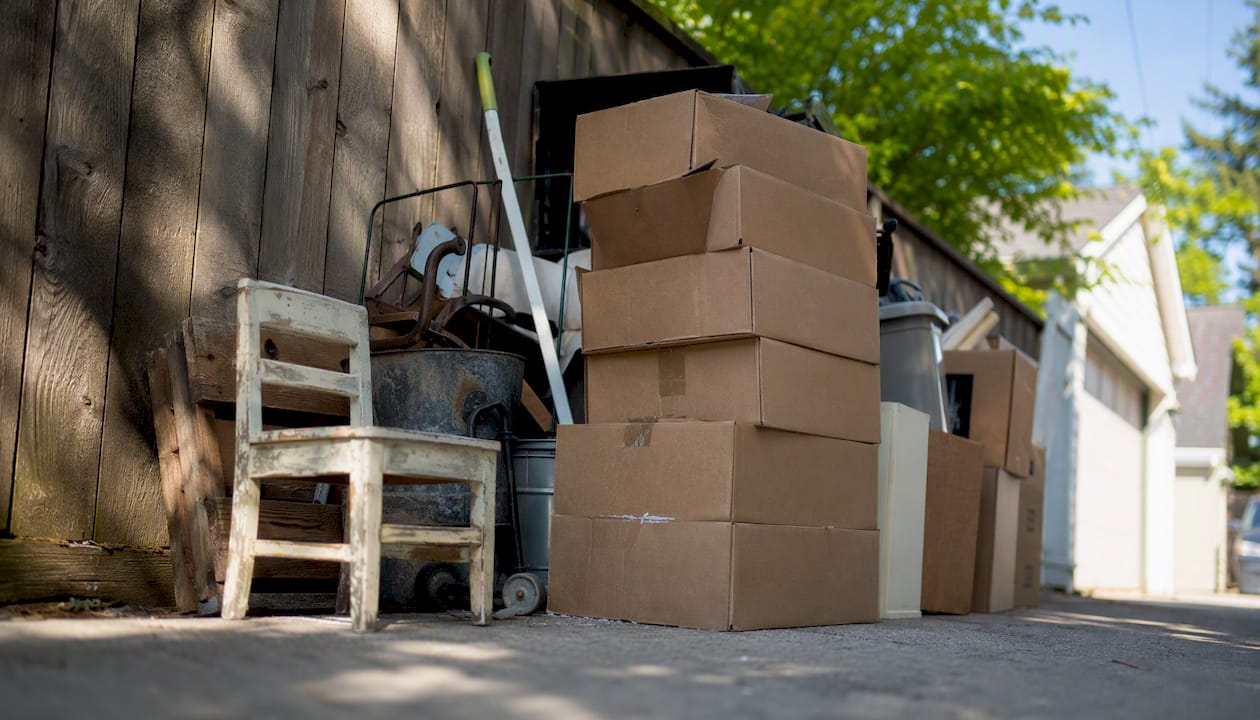
The highest-value move with a used box is handing it to someone who needs it, not shredding it back into pulp. Reuse and donation keep a box in circulation for another move or two before it ever touches a recycling stream, and that's a better outcome than defaulting to the recycling bin out of habit.
Recycling is still a solid second choice, and landfill should be the last resort, reserved for boxes that are genuinely too damaged to donate or recycle. What I've seen matter most in cleanouts is timing. Boxes that sit in a garage "to deal with later" tend to get rained on, chewed by pests, or simply forgotten until they're unusable. If a box is in good shape, get it to someone through donation or a swap program before it ages out of being useful to anyone.
If You Want It Gone Today, EasyScrap Handles the Heavy Lifting
Sorting, hauling, and driving to a transfer station takes real time you may not have right after a move. EasyScrap can pick up your flattened boxes, along with anything else piling up in the garage, the same day you call, and we sort for donation and recycling before anything heads to a landfill.
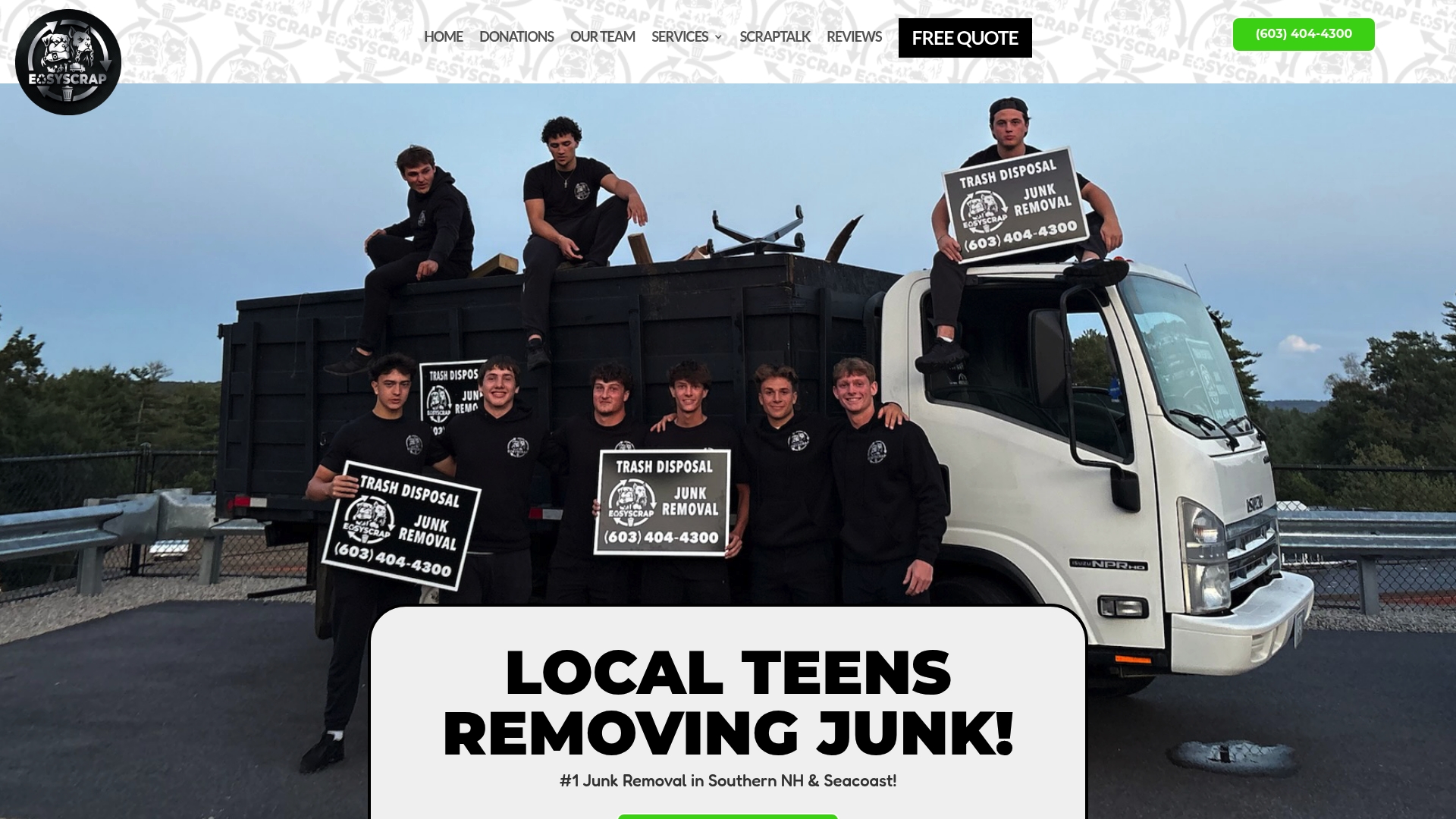
Our crews are insured, local to Lawrence, Andover, Boston, Lowell, and Haverhill, and every quote is free before you commit to anything. If you're staring at a garage full of flattened cardboard plus a couple of things you never unpacked, one call clears it all instead of juggling separate drop-offs and donation runs. Have your estimated volume, address, and any access notes (stairs, tight driveway, gated community) ready when you reach out. Get a free quote through our junk removal services page and pick a same-day slot if your schedule allows it.
Sources
- Cardboard
- What To Do With Your Moving Boxes After Moving | U-Haul
- Durham recycling guidance
- Post-Move Junk & Cardboard: Easy Disposal Options