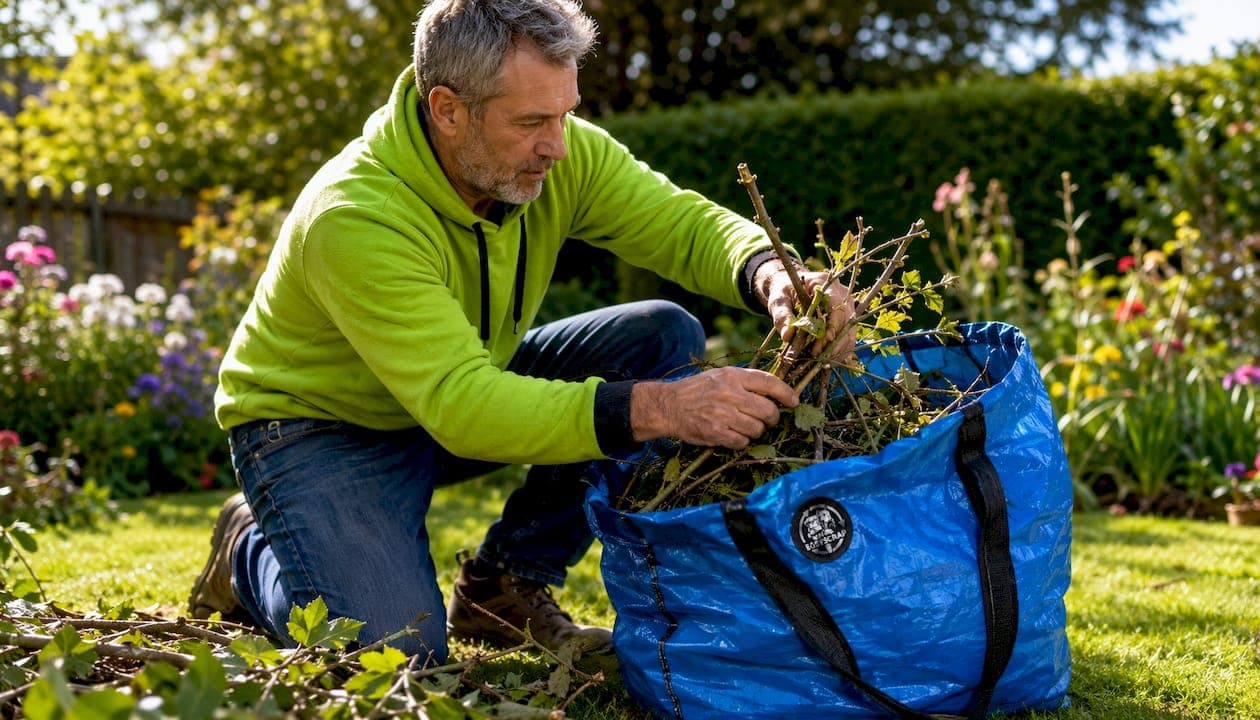
Hiring a local paid junk-removal crew is the fastest, lowest-hassle way to handle tree branch disposal for most homeowners and property managers. You call, they show up, they haul everything away. No renting a truck, no waiting weeks for a municipal pickup window, no figuring out where the transfer station is. Easyscrapofficial serves the Lawrence, Andover, Boston, Lowell, and Haverhill areas with same-day availability, an insured crew, and a free quote before any work starts.
A few quick alternatives if you want to weigh your options first:
- Hire a local junk-removal crew (fastest, zero lifting on your end)
- Schedule municipal curbside brush pickup (free but slow, especially after storms)
- Drop off at a yard-waste facility or transfer station (faster than curbside, requires your own vehicle)
- Chip or mulch on-site (great if you have landscaping use for the material)
- Compost small-diameter branches (practical for light trimmings only)
One firm exception: if branches are still hanging, partially broken, or within reach of power lines, stop. That's not a junk-removal job. Call a certified arborist or contact your utility company before anyone touches those limbs.
Pro Tip: After a major storm, call your utility company first. Emergency line-clearing crews are typically mandated to restore power and move on — leaving the debris on your property. Document everything and ask whether they plan to return before you pay someone to haul it.
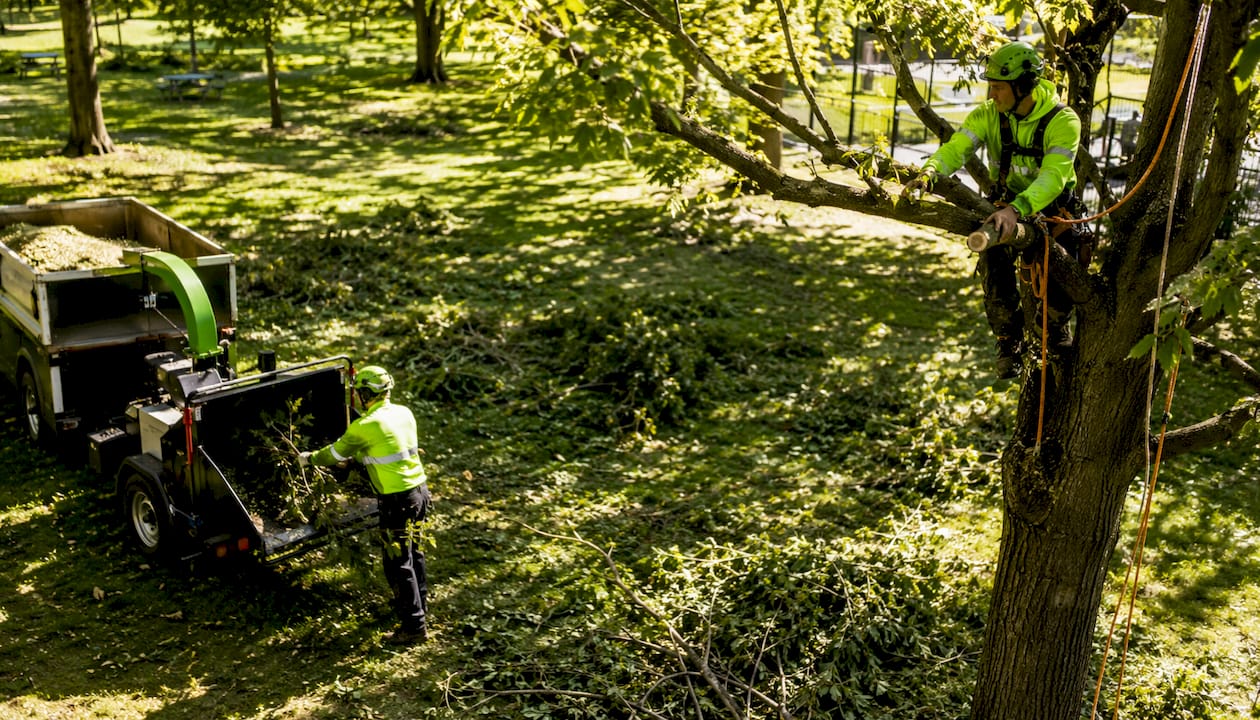
Table of Contents
- What are your real options for tree branch disposal?
- When should you hire junk removal vs. DIY vs. call an arborist?
- What does a local junk-removal crew actually handle?
- How to prepare branches for pickup and save money
- What does tree limb removal cost, and how long does it take?
- Safety, legal cautions, and handling diseased branches
- Key Takeaways
- The real hassle factor most homeowners underestimate
- Easyscrapofficial handles branch hauling fast — here's how to book
- Useful sources for local rules and tree care guidance
What are your real options for tree branch disposal?
Not every option works for every situation. Here's a plain comparison so you can shortlist what actually fits.
Municipal/curbside brush pickup
- Free, no labor on your part beyond cutting and stacking
- Requires pieces cut to size (many programs cap at 48 inches and placed at the property line)
- Slowest option, especially after storms when crews prioritize emergency response over bulk collection
Drop-off at a yard-waste facility or transfer station
- You control the timing, usually same day or next day
- Requires a truck or trailer and the physical work of loading
- Small fees at most facilities; check your county's program for hours and accepted materials
Chipping and mulching
- Excellent for large volumes if you have landscaping use for the chips
- Requires renting a chipper or hiring a chipping service
- Not practical for large-diameter limbs or mixed debris
Composting
- Works well for small-diameter branches and green trimmings
- Large limbs take years to break down; not a realistic option for storm cleanup
Controlled burning
- Legal only in certain jurisdictions and almost always requires a permit
- Check with your local fire marshal or municipality before lighting anything; rules vary significantly by county and season
Pro Tip: Check your city or county's bulk-and-brush program page before scheduling anything. Cut-size limits and placement rules directly affect whether your pile gets picked up at all.
When should you hire junk removal vs. DIY vs. call an arborist?
Use this checklist to match your situation to the right call.
- Branches already on the ground, accessible from the driveway? Junk removal or drop-off. This is the sweet spot for a paid hauling crew.
- Volume larger than a pickup truck bed? Hire a crew. Multiple trips to a transfer station add up fast in time and fuel.
- Limbs hanging, cracked, or partially attached? Stop. Call a certified arborist. Partial breaks are unpredictable and can fall without warning.
- Branches within 10 feet of power lines? Contact your utility company first, then an arborist. A junk-removal crew is not equipped for line-proximity work.
- Signs of disease or fungal infection on the wood? Separate those branches before calling anyone. Diseased material needs specific handling (see the safety section below).
- Time-sensitive, same-day cleanup needed? Local junk removal wins here. Municipal programs and arborists typically schedule days out.
- Budget is the primary concern and you have a truck? DIY drop-off at a transfer station is the cheapest route.
A note on utility responsibility: After storms, utility crews prioritize grid restoration and commonly leave debris on private property. Some utilities will return after public pressure, but that outcome is inconsistent. Plan to handle disposal yourself and contact the utility in writing to document the request.
What does a local junk-removal crew actually handle?
A good local crew covers the full physical scope of a branch cleanup: lifting, loading, hauling to a disposal or recycling facility, and leaving the site clean — see professional Trash Can Cleaning services for hygiene best practices and post-service care. That's the job. What they don't do is climb trees, rig hanging limbs, or work within the clearance zone of live utility lines. Those tasks require an arborist's training and licensing.
Here's what to expect from a reputable junk removal service:
- Labor to lift and load all branches and debris
- Hauling to a licensed disposal, recycling, or composting facility
- On-site cleanup before they leave
- Insured crew (ask for proof of liability coverage before booking)
- Free estimate with no obligation
- Same-day or next-day scheduling for most residential jobs
- Donation or recycling of usable material when feasible
Know the scope before you book. Most junk-removal crews handle branches already on the ground. If you need someone to climb, rig, or cut near a line, that's arborist territory — confirm scope upfront to avoid surprise charges or unsafe work on your property.
Pro Tip: Ask one question before booking: "Does the price include cutting branches to haul-ready lengths?" Some crews charge extra for on-site cutting. Knowing this upfront lets you prep the pile yourself and keep the cost down.
How to prepare branches for pickup and save money
Proper prep is the single biggest lever you have on cost and speed. A crew that spends 20 minutes cutting your branches to size will bill you for that time.
- Gear up first. Gloves, safety glasses, and sturdy boots before you touch anything.
- Cut branches to length. Most municipal programs cap at 48 inches; check with your junk-removal provider for their limit. Shorter pieces stack tighter and load faster.
- Bundle and tie heavier limbs. Use twine or rope to bundle branches of similar diameter. Loose piles take longer to load.
- Stack at the property line or driveway edge. Crews work from the truck. The closer the pile is to the street, the faster the job.
- Clear vehicle access. Move cars, bins, and equipment so the crew truck can pull close.
- Flag hidden hazards. Spray paint or stake any buried roots, low wires, or soft ground near the pile.
Quick prep checklist before the crew arrives:
- Branches cut to provider's maximum length
- No nails, metal hardware, or construction debris mixed in (these add fees)
- Diseased branches separated and bagged
- Driveway or curb access clear for a full-size truck
Pro Tip: Mixing yard waste with construction debris — concrete chunks, treated lumber, metal — almost always triggers a surcharge. Keep the branch pile clean and separate.
What does tree limb removal cost, and how long does it take?
Cost depends on volume, access, whether cutting is included, and how far the crew has to travel to a disposal facility. Here's a general framework.
| Job Size | Estimated Price Range | Typical Turnaround |
|---|---|---|
| Small pile (fits in a pickup bed) | — | Same day or next day |
| Medium pile (half a truck) | — | Same day or next day |
| Municipal curbside pickup | Free | 1–3 weeks (longer after storms) |
| Transfer station drop-off | $20 in fees | Same day (your labor) |
Ranges are typical U.S. estimates. Request a free quote for your specific job.
Key cost drivers to know:
- Volume and weight are the primary factors for most crews
- Cutting on-site adds labor time; prepping branches yourself reduces cost
- Accessibility matters — a pile 200 feet from the road costs more to haul than one at the curb
- Storm season creates backlogs; same-day availability may shrink after major weather events
- Dump fees at local transfer stations vary by county and material type
After major storms, municipal bulk pickup can be delayed significantly as city crews shift to emergency response. A paid crew is often the only reliable same-day option in those windows.
Safety, legal cautions, and handling diseased branches
A few things that can turn a routine yard cleanup into a liability problem.
- Never attempt to remove hanging or partially attached limbs yourself. A partial break is structurally unpredictable. Arborists evaluate attachment points, weight distribution, and fall path before making any cut.
- Keep bystanders and pets clear of the work area while loading.
- Wear PPE — gloves, eye protection, and closed-toe boots at minimum.
- Burning requires a permit in most U.S. counties. Check with your local fire marshal before burning any brush. Open burning is banned outright in many municipalities.
On utility trimming: NES in Nashville expanded its clearance zone from 10 to 15 feet following a major ice storm, and some trimmed trees later fell on homes. Utilities have broad legal authority to trim, but debris and structural damage often become the property owner's problem. Contact your utility in writing if their crews leave material on your land.
Diseased branches need special handling. If you see cankers, fungal growth, or unusual discoloration, don't chip or compost that material. Double-bag it in heavy plastic, label it, and follow your county's disposal rules for infected plant material. For major infections, call a certified arborist before any cutting to avoid spreading pathogens to healthy trees.
Pro Tip: Make proper pruning cuts at the branch collar, not flush with the trunk. Flush cuts leave a larger wound and slow healing. If you're unsure where the collar is, an arborist can show you on the first visit.
Key Takeaways
Hiring a local junk-removal crew is the fastest, lowest-hassle path for most tree branch disposal jobs, provided branches are already on the ground and away from utility lines.
| Point | Details |
|---|---|
| Fastest disposal option | A local junk-removal crew handles lifting, hauling, and cleanup — often same day or next day. |
| Prep cuts your cost | Cutting branches to haul-ready lengths and stacking at the property line reduces labor time and lowers the bill. |
| Utility debris is your problem | Emergency line crews typically leave debris on private property; contact your utility in writing and plan to hire disposal help. |
| Hanging limbs need an arborist | Partially attached or line-adjacent branches require professional arborist assessment before anyone touches them. |
| Easyscrapofficial for local jobs | Easyscrapofficial offers same-day yard waste removal, an insured crew, free quotes, and donation/recycling options in the Lawrence, Andover, Boston, Lowell, and Haverhill areas. |
The real hassle factor most homeowners underestimate
Most people who call a junk-removal crew for branch cleanup aren't lazy. They've already spent a weekend cutting and stacking, and they just want it gone. The branches are ready. The pile is at the curb. They don't want to make four trips to a transfer station in a borrowed truck.
That's the honest use case for a service like Easyscrapofficial. It's not about avoiding work — it's about not wasting a second Saturday on logistics. The customers who get the most value from a paid crew are the ones who prepped the pile themselves and just need the hauling handled.
What I'd caution against: calling a junk-removal crew and expecting arborist-level work. Crews are trained to lift, load, and haul. Climbing a 40-foot oak to rig a hanging limb is a different job entirely. The prep mistake I see most often is customers mixing construction debris into the branch pile — concrete, treated lumber, metal hardware. That almost always triggers a surcharge and slows the job down. Keep the pile clean, cut to length, and stacked at the curb. The rest is fast.
Easyscrapofficial handles branch hauling fast — here's how to book
When branches are piled up and you want them gone today, Easyscrapofficial is the direct answer. The crew handles all the heavy lifting, loads everything onto the truck, and hauls it to a licensed disposal or recycling facility. No renting equipment, no transfer station runs, no second trips.
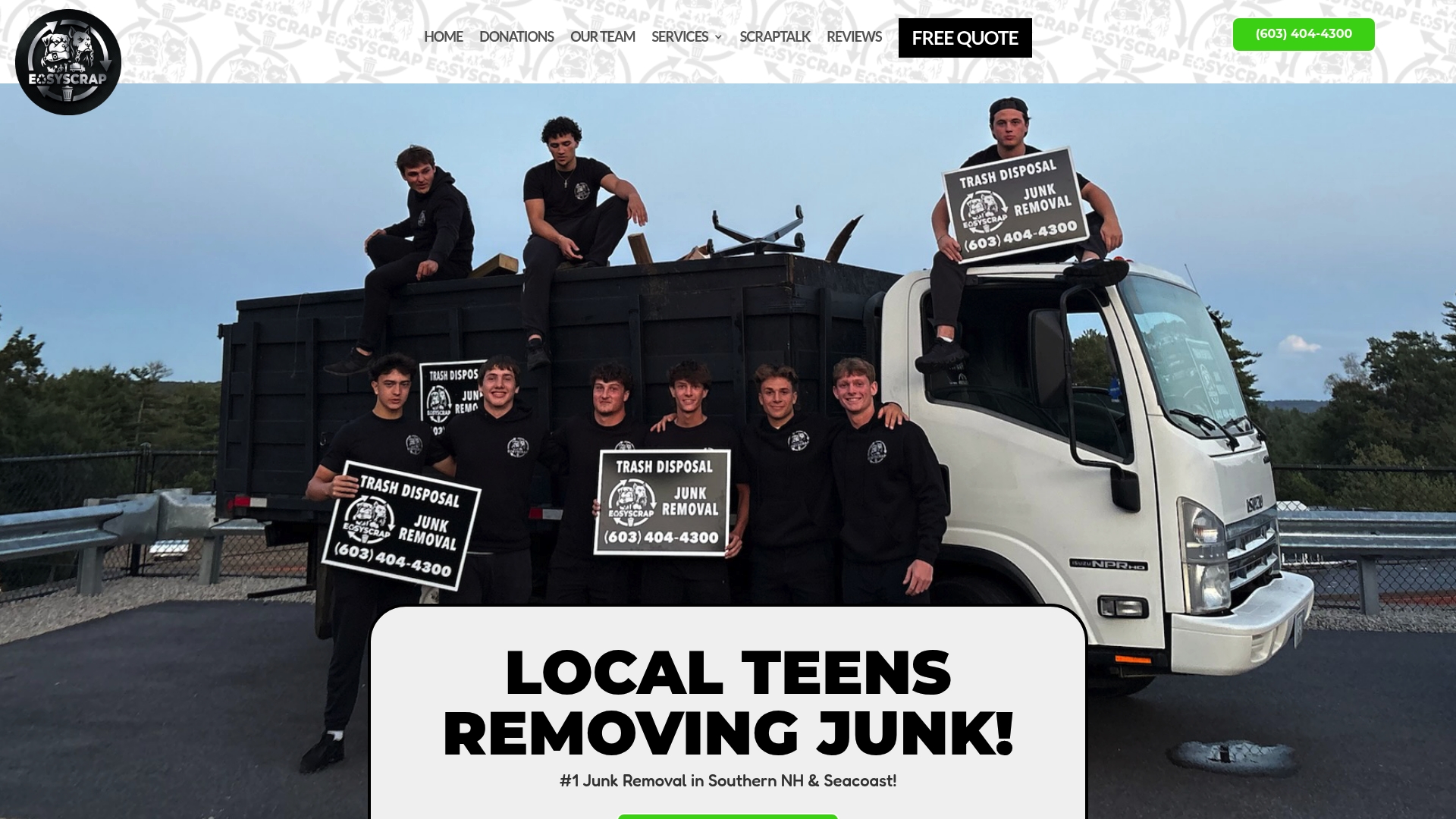
Relevant services for branch and yard waste cleanup: same-day junk removal, yard waste hauling, garage cleanout for mixed debris, donation and recycling when material qualifies, and a fully insured crew on every job. Free quotes with no obligation.
Before booking, confirm two things: whether cutting is included in the price, and whether your pile has any non-organic debris mixed in. Both affect the final cost. To get a free estimate and schedule your pickup, visit the junk removal booking page and describe your job. Same-day slots fill quickly after storms, so the sooner you reach out, the better.
Useful sources for local rules and tree care guidance
Municipal programs, utility policies, and arborist standards vary enough that checking primary sources for your area is worth the five minutes.
- Richmond Bulk and Brush Program — Example of a municipal brush program with specific cut-size limits (48 inches), placement rules, and pickup schedules. Use this as a model for what to look for in your own city or county's program.
- OPPD storm debris reporting (WOWT) — Documents how utility crews leave debris on private property after storm repairs. Useful for understanding your rights and what to document.
- Northland homeowner / Evergy debris case (KMBC) — Shows that utilities sometimes return to clean up after public pressure, but outcomes vary. Contact your utility in writing first.
- NES tree trimming and fallen tree (WPLN News) — Covers how aggressive utility trimming can leave trees structurally compromised; relevant for understanding post-trim hazards.
- Arborist branch removal guidance (Nuts About Trees) — Professional guidance on evaluating attachment points, fall paths, and proper cutting technique to protect tree health.
- Broomfield Tree Branch Recycling Facility — Example of a municipal drop-off recycling program for tree branches; check whether your city or county offers a similar facility.
For your own area, search "[your city] bulk brush pickup" or "[your county] yard waste drop-off" to find the specific rules, accepted sizes, and schedules that apply to you.