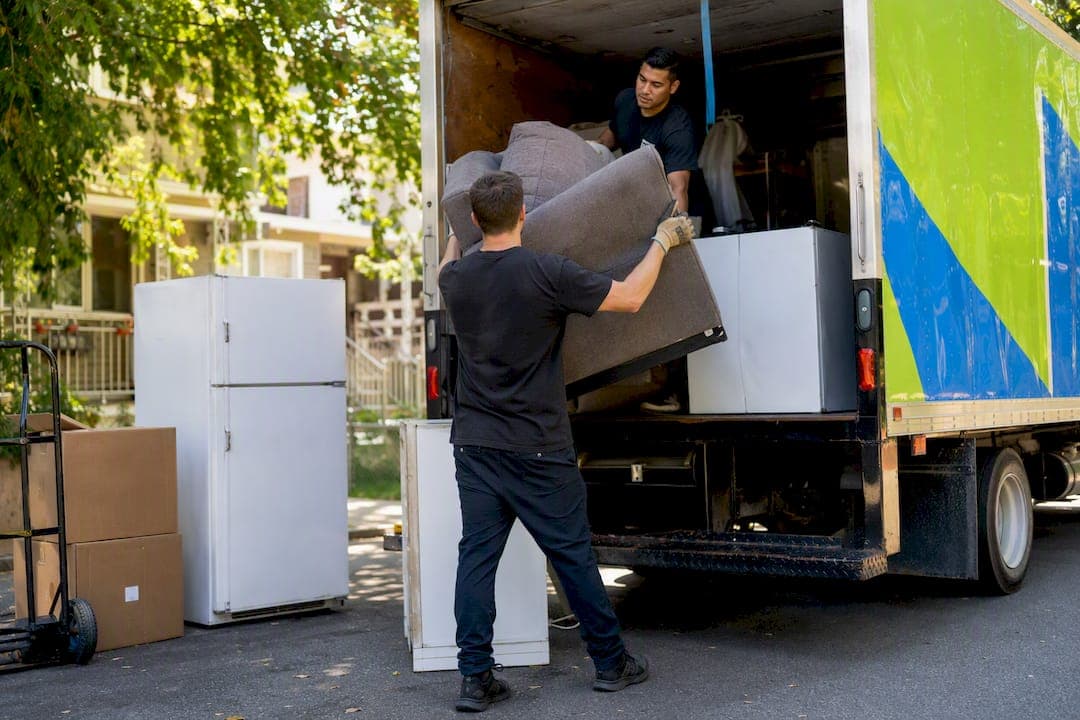
Junk removal companies take furniture, mattresses, major appliances, electronics, yard waste, construction debris, bulky outdoor items, and general household clutter. The exception is anything hazardous, regulated, or biohazardous. Gasoline, propane tanks, asbestos, and medical waste need a different disposal path entirely.
- Inside the house: sofas, mattresses, dressers, box springs, old TVs, boxes of clutter from a basement cleanout.
- Outside the house: tree branches, fencing, patio furniture, drywall, refrigerators, washers and dryers.
Pro Tip: Snap a few photos of everything before you call. A crew can give you a far more accurate quote off pictures than off a verbal description, and it saves you a round of back and forth on pickup day.
Key Takeaways
Junk removal companies take most furniture, appliances, electronics, and household clutter, but hazardous and regulated materials always need a separate disposal path.
| Point | Details |
|---|---|
| Standard categories accepted | Furniture, mattresses, appliances, electronics, yard waste, and construction debris cover most household pickups. |
| Hazardous materials excluded | Gasoline, paint, propane tanks, and medical waste require household hazardous waste programs or specialty recyclers. |
| Pricing tied to volume and weight | Quotes are usually based on truck space filled, with added fees for dense material or special handling. |
| Donation depends on condition | Usable furniture and working appliances are the likeliest candidates, but donation is never guaranteed. |
| Easyscrapofficial handles the full job | Insured crews offer free quotes, same-day pickup, and sort loads for donation and recycling where possible. |
Where to Check Local Disposal Rules
- Municipal household hazardous waste programs for chemicals, paint, and pesticides
- State environmental agency sites for e-waste and appliance recycling rules
- Certified e-waste recyclers for computers, TVs, and electronics
- Local donation centers for their specific item-condition requirements
When in doubt about a specific item, a quick call to your city's solid waste department or to the hauler directly settles it faster than guessing.
Table of Contents
- What Items Do Junk Removal Companies Typically Accept?
- What Won't Junk Removal Companies Take?
- Where Does Your Junk Actually Go After Pickup?
- How Do Junk Removal Quotes and Pricing Work?
- How Should You Prepare for a Junk Pickup?
- Ready to Skip the Heavy Lifting?
- Sources
What Items Do Junk Removal Companies Typically Accept?
Most crews sort accepted items into a handful of predictable buckets. Knowing which bucket your stuff falls into helps you guess whether you're looking at a quick, cheap pickup or something that needs a little more planning.
Furniture. Couches, recliners, bed frames, dining tables, dressers. These are the bread and butter of the industry. A single sectional sofa might eat up more truck space than three end tables combined, and space is exactly how most companies price the job.
Mattresses and box springs. Almost every hauler takes them, but some charge a separate disposal fee since mattresses often require special recycling handling rather than a straight toss in a landfill bin.
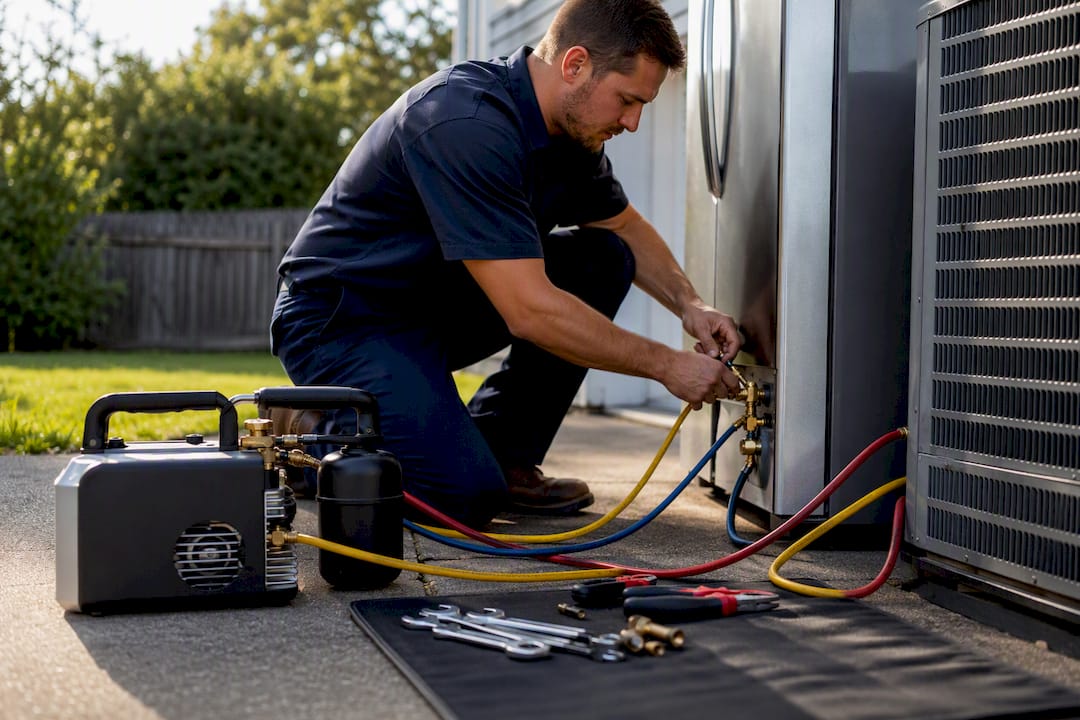
Major appliances. Refrigerators, freezers, washers, dryers, stoves. Refrigerators and air conditioners need refrigerant recovered before disposal, which is a federal requirement, not a company preference, so expect a modest surcharge on those specifically.
Electronics. TVs, computers, printers, and small e-waste usually go, though older CRT televisions sometimes carry an extra fee because of the leaded glass inside them.
Yard waste. Branches, leaves, old fencing, dead shrubs. Bagged yard waste loads faster than loose brush, which matters when price is tied to truck space and labor time.
Construction and remodeling debris. Drywall, old cabinets, flooring, tile, lumber from a renovation. Dense material like tile and concrete weighs a lot more than it looks, and weight can push a job into a higher price bracket even if it doesn't fill much truck space.
General household junk. Boxes of old clothes, toys, kitchenware, garage clutter that's been sitting for a decade.
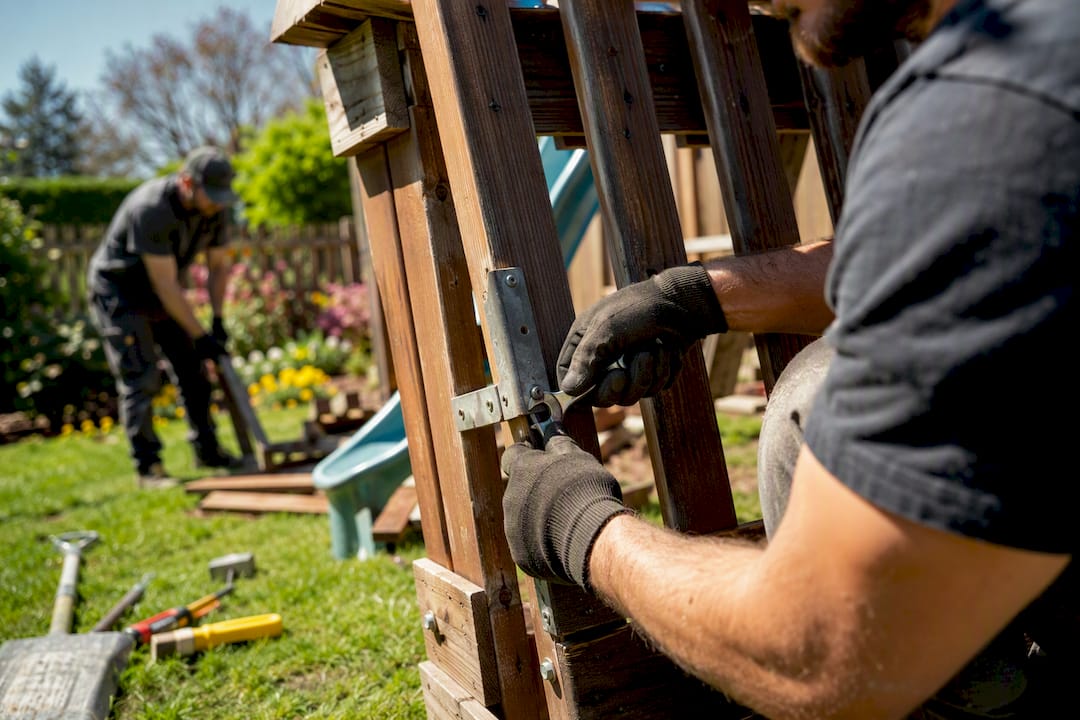
Outdoor and bulky items. Hot tubs, sheds, swing sets, playground equipment. These often need advance notice because they may require partial disassembly or an extra set of hands.
Items that commonly trigger extra fees or a heads up call before your appointment: pianos, hot tubs, sheds, gun safes, and oversized appliances. Mention these when you book so the company sends the right crew size and equipment instead of showing up short handed.
Pro Tip: Group items by category before the crew arrives, donation pile here, trash pile there, heavy stuff closest to the door. It speeds up loading and sometimes shaves time (and cost) off the final bill.
What Won't Junk Removal Companies Take?
Regulated and hazardous materials are the standard no-go list across the industry, and for good reason: they require specialized disposal channels that a general hauling truck isn't equipped or licensed to handle.
- Flammable liquids: gasoline, kerosene, lighter fluid
- Solvents and chemicals: paint thinner, pool chemicals
- Paint (often, though some companies take dried, hardened cans)
- Pesticides and herbicides
- Motor oil and other automotive fluids
- Batteries in bulk quantities
- Propane tanks and other pressurized cylinders
- Asbestos-containing materials
- Medical or biohazardous waste, including sharps
- Explosives, fireworks, and ammunition
- Certain e-waste types, depending on your state's electronics recycling law
So where do these actually go? Household hazardous waste (HHW) programs run by your city or county are the right drop-off point for chemicals, pesticides, and old paint. Auto shops will usually take used motor oil and other fluids. Pharmacies and municipal collection sites handle sharps and expired medication. Certified e-waste recyclers handle the electronics your hauler won't touch.
A few items sit in a gray zone: tires, loose dirt and concrete, and paint cans that are only partially empty. Rules on these vary by city and by company, so it's worth a quick call before you schedule anything.
Where Does Your Junk Actually Go After Pickup?
Once a truck pulls away from your driveway, the load typically splits three ways: donation, recycling, or a transfer station and eventually a landfill. Full-service crews generally sort loads on-site, pulling out anything usable for donation and anything recyclable, like scrap metal or cardboard, before the rest heads to disposal.
- Usable furniture and working appliances go to donation partners, assuming the items meet the charity's condition standards.
- Metal, e-waste, and appliances with refrigerant go to specialized recyclers or scrap processors.
- Everyday trash and non-recyclable debris head to a transfer station or landfill.
- Larger regional providers often maintain formal recycling and donation partnerships as part of their standard operations.
Donation is never a guarantee. It depends on the item's condition and on what the local charity will actually accept that week, so a stained mattress or a broken lamp is likely landfill bound no matter how good your intentions were.
Pro Tip: If donating usable furniture matters to you, ask upfront which charities the company partners with and whether they can provide a donation receipt. Not every hauler tracks this, so it's worth confirming before pickup, not after.
How Do Junk Removal Quotes and Pricing Work?
Pricing for professional junk removal is typically volume-based, meaning the quote reflects how much of the truck your items fill, quarter load, half load, or full load, rather than a flat per-item rate. Weight matters too. Dense material like concrete, dirt, or tile can push a job's price up even in a small pile.
- Truck space or cubic-yard pricing for standard loads
- Weight surcharges for dense debris (concrete, dirt, roofing material)
- Labor fees for stairs, tight hallways, or basement hauls
- Special handling fees for hot tubs, pianos, sheds, or safes
- Appliance surcharges tied to refrigerant recovery
- Minimum job fees and travel charges for far-out addresses
Estimates usually start one of two ways: a photo-based ballpark over the phone, or a firm on-site quote once the crew sees everything in person. Always get the final number confirmed before loading starts.
Pro Tip: Ask directly whether hazardous items or unusually dense materials are excluded from the quote or billed separately. That one question prevents most of the surprise-invoice stories you hear about.
How Should You Prepare for a Junk Pickup?
A little prep work turns a slow, expensive job into a fast, cheap one. Clear the path to your items, point out exactly what's going and what's staying, and separate any donation pile if the company sorts on request.
Questions worth asking before you confirm the booking:
- Do you charge by truck space or by weight?
- Are hazardous or regulated items accepted at all?
- Are appliance surcharges already built into the quote?
- Can your crew handle upstairs, attic, or basement removal?
- What payment methods do you accept, and is a receipt provided?
- Is same-day pickup available, and is there a minimum fee?
If you've got a narrow staircase, limited parking, or need a permit for a truck on your street, mention it when you book, not when the crew shows up.
Why Hire a Professional Crew Instead of DIY?
A reputable local crew brings insurance, gives an on-site quote before touching anything, and leaves the space broom-clean when they're done. Many also sort loads for donation and recycling instead of defaulting everything to landfill.
- Insured crews protect you if something gets damaged during removal
- On-site quotes confirm the price before any loading starts
- Sorting for donation or recycling happens automatically at reputable companies
Check a company's service pages directly for specifics on coverage, same-day availability, and pricing before booking.
A Crew's-Eye View of Pickup Day
We show up, walk the property, and confirm the quote before anything gets loaded. From there, we pull items from wherever they're sitting, garage, attic, backyard, and sort as we go, donation aside, recycling aside, the rest to the truck.
One thing that helps us help you: flag anything unusually heavy or oversized when you book. That's how we know to send an extra set of hands or the right equipment instead of guessing on arrival.
Ready to Skip the Heavy Lifting?
If reading through that checklist made you realize you'd rather not haul a queen mattress down two flights of stairs yourself, that's exactly the job Easyscrapofficial handles every day. We charge based on the same truck space and labor factors covered above, no guesswork, no hidden add-ons buried in fine print.
Our crews cover furniture removal, appliance pickup with proper refrigerant handling, mattress disposal, and full garage or attic cleanouts. We sort what we can toward donation and recycling instead of defaulting straight to landfill, and every crew is insured before they step foot on your property.
- Free quotes by photo or in person
- Same-day pickup available in many cases
- Appliance surcharges and special handling explained upfront, not after the truck's loaded
Whether you need one refrigerator gone or an entire basement cleared out, request a free quote for junk removal and get a real number before you lift a single box.