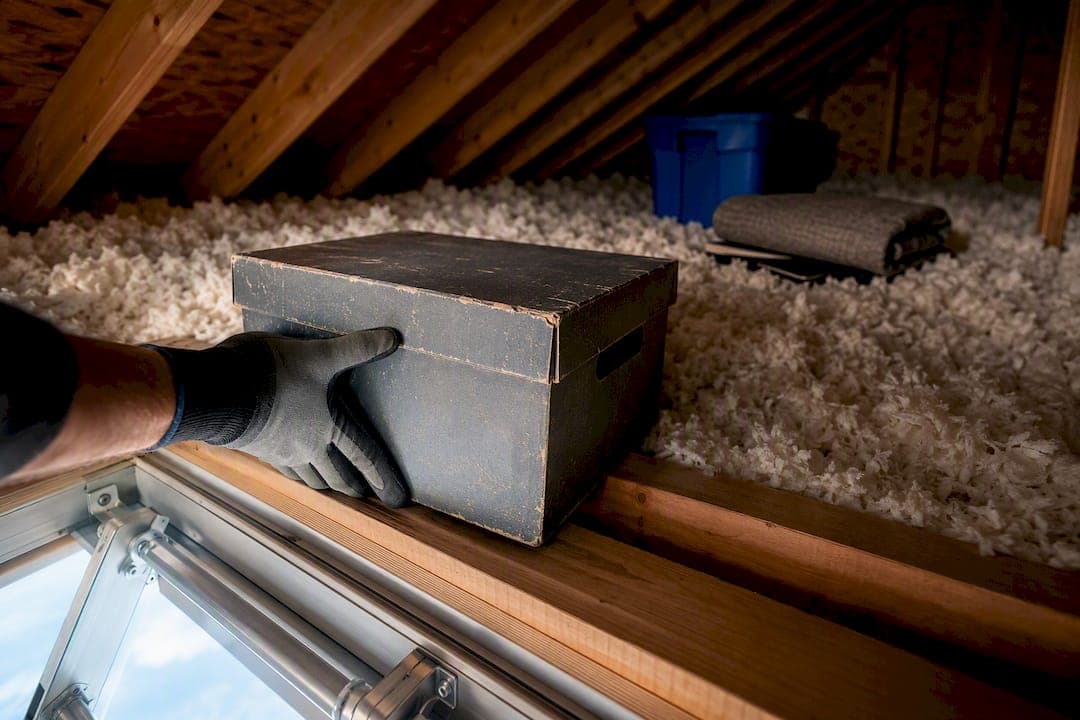
A standard attic cleanout runs $100 to $500 for straightforward junk removal, but the moment contamination or insulation work enters the picture, that number can climb to $700 to $11,000 or more. Two things swing the price the most: how contaminated the space is and whether old insulation has to come out. Before you agree to anything, ask for an itemized quote that separates those two cost drivers.
TL;DR:
- The total cost for attic cleanouts varies widely, from $100 to $500 for basic junk removal, up to $11,000 or more for full decontamination and insulation work.
- Contamination severity, insulation type and depth, access difficulty, and hazardous materials like asbestos greatly influence the final price.
- Suspected vermiculite with asbestos requires specialized abatement contractors, significantly increasing costs and restricting DIY options.
- Proper sequencing of work, including air sealing before insulation, is crucial and may impact pricing if skipped or done improperly.
- For straightforward debris removal, companies like EasyScrap offer quick, affordable services, but heavy contamination or asbestos issues require licensed specialists first.
Table of Contents
- What Is the Average Attic Cleanout Cost by Service Type?
- What Factors Drive Attic Cleanout Pricing Up or Down?
- How Much Does Insulation Removal Cost, and When Should You Worry About Asbestos?
- How Should Rodent Droppings or Mold Change Your Cleanup Plan?
- Which Attic Tasks Are Safe to DIY, and Which Need a Professional?
- What Should a Professional Attic Cleanout Quote Include?
- What Do Three Real-World Attic Budgets Look Like?
- How Does EasyScrap Help With Attic Cleanouts?
- Why Safety Should Drive Your Attic Budget, Not Price Alone
- Get a Straight Quote on Your Attic Cleanout
- Where to Verify Attic Safety and Cost Guidance
- Sources
- FAQ
What Is the Average Attic Cleanout Cost by Service Type?
Attic pricing breaks into four rough categories, and knowing which one applies to your situation keeps you from comparing apples to oranges when quotes come in.
- Basic cleanout (junk removal only): $100 to $500. This covers hauling out boxes, old furniture, holiday decorations, and general clutter with no biological or hazardous material involved.
- Decontamination: $700 to $11,000, depending on severity. Rodent droppings, mold, or pest nesting material push costs up because of the containment and disposal steps the job requires.
- Insulation removal: Often priced per square foot, commonly $1 to $3 or higher depending on insulation type, depth, and whether hazardous material is suspected.
- Full restoration: Cleanout, decontamination, insulation removal, new insulation, and repairs combined, often landing in the low thousands for a mid-size attic.
A moderately sized attic packed with decades of storage costs more to clear than a mostly empty one, obviously, but volume isn't the only lever. Angi's cost data makes clear that price is driven by access, labor, disposal, and contamination, not square footage alone. That's why two attics of the same size can generate wildly different quotes.
Expect a minimum job fee even for small attics. Many contractors and cleanout crews set a flat baseline, sometimes tied to a per-square-foot minimum for sanitation work, because the truck roll, PPE setup, and disposal fees don't scale down much just because your attic is small.
What Factors Drive Attic Cleanout Pricing Up or Down?
Square footage matters, but it's a blunt instrument. A 600-square-foot attic with 4 inches of loose-fill insulation takes less labor to clear than a 400-square-foot attic packed with 12 inches of blown insulation and two decades of stored belongings. Depth and density of material matter as much as floor area.
Access is the other quiet cost multiplier. A pull-down ladder in a hallway means crews haul everything by hand, one load at a time, often stooped under low rafters. A walk-up attic with real stairs cuts labor time noticeably. If your attic access sits above a stairwell with no landing space, expect that friction reflected in the quote.
Contamination category changes the math entirely:
- Clean, dry storage: No premium, straightforward hauling rates apply.
- Dust, insulation fibers, minor debris: Slight labor increase for PPE and careful handling.
- Rodent droppings or nesting material: Significant increase, since safe removal requires disinfection, bagging, and possibly discarding contaminated insulation entirely.
- Suspected asbestos or vermiculite: Removed from standard scope altogether; requires a specialist, not a general cleanout crew.
Disposal fees stack on top of labor. Contaminated insulation often can't go in a standard dumpster load, which means separate hazardous-waste handling and higher dump fees passed on to you.
Common add-ons inflate the final number further: air sealing before new insulation goes in, ventilation baffles at the soffits, damming around the attic access and light fixtures, and minor repairs to damaged decking or wiring uncovered mid-job.
Pro Tip: Ask your contractor to quote air sealing and baffles as a separate line item even if you're not sure you want them yet. It's easier to add later than to renegotiate a bundled price after the crew is already on-site.
How Much Does Insulation Removal Cost, and When Should You Worry About Asbestos?
Insulation removal typically runs a modest cost per square foot, though the exact figure depends on insulation type, depth, and whether testing or containment is required first. Loose-fill fiberglass removes faster and cheaper than dense cellulose or older materials packed tight against joists.
Here's the number that should stop you before signing anything: if your attic has pebble-like, shiny gray or brown insulation, it might be vermiculite, and the Environmental Protection Agency advises assuming it may contain asbestos until tested otherwise.
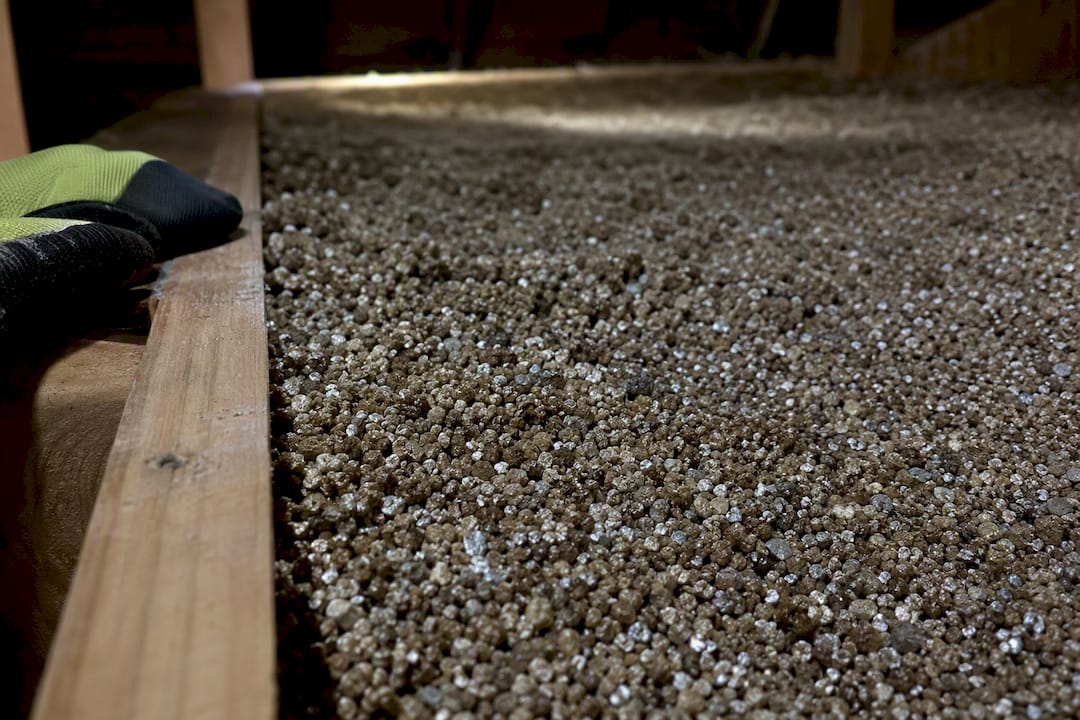
That single fact reroutes the entire job. The EPA's guidance is specific: leave vermiculite undisturbed, and if it needs to be removed, hire a trained, accredited asbestos-abatement contractor rather than a general junk hauler or even a standard insulation crew. Disturbing suspected asbestos material to save money on a "cheap all-in removal" quote is exactly the scenario the EPA warns against.
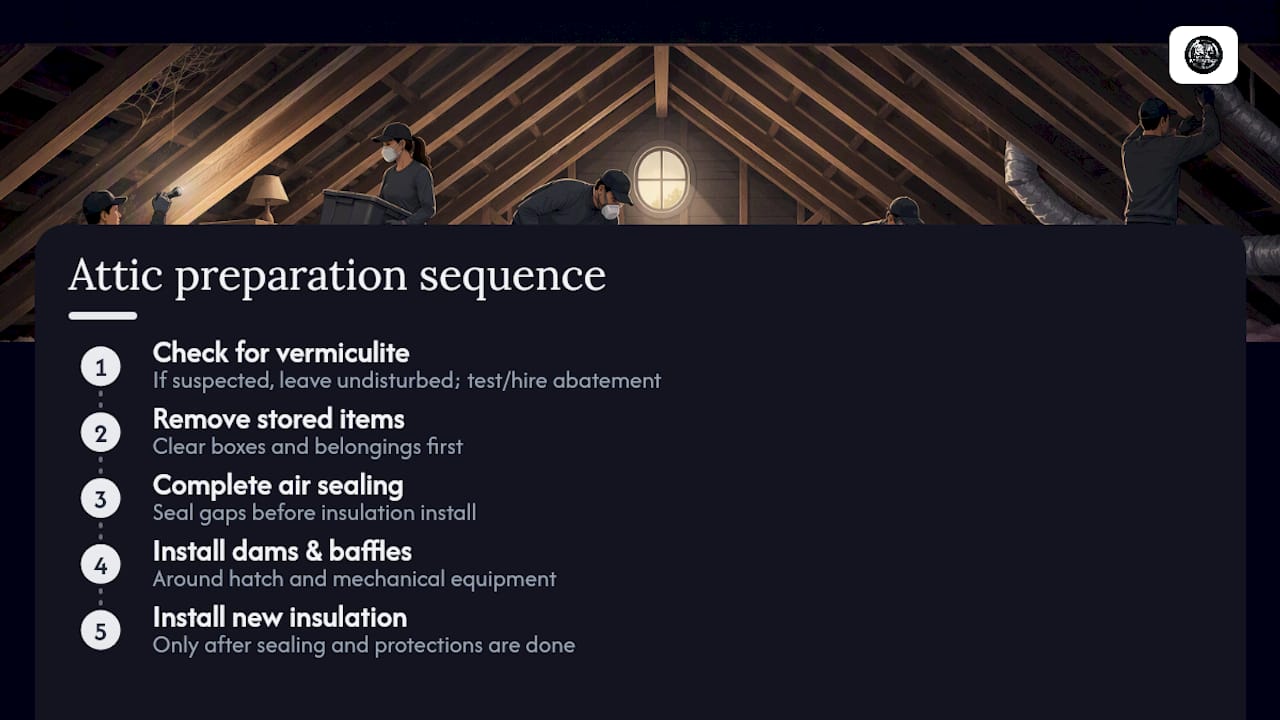
Insulation work also has a required order of operations. Department of Energy job aid guidance specifies that stored materials must come out first, air sealing has to happen before new insulation goes in, and dams plus soffit baffles get installed around the attic hatch and mechanical equipment. Skipping that sequence doesn't just risk poor performance. It's often why a suspiciously low insulation quote turns out to be incomplete once you read the fine print.
How Should Rodent Droppings or Mold Change Your Cleanup Plan?
Contamination doesn't just raise price, it changes procedure entirely, and getting this wrong carries real health risk.
The CDC is direct about this: never sweep or vacuum rodent droppings, urine, or nesting material dry. Disturbing it dry lets contaminated particles become airborne. The correct process is wet disinfection first, then bagging and disposal of contaminated material, including insulation that's been soiled beyond salvage.
That safety requirement is exactly why decontamination costs so much more than a plain cleanout. PPE, containment barriers, disinfectant-grade cleaning agents, and specialized bagging and disposal all add labor hours a basic junk-out job never touches.
- Expect separate line items (or separate contractors entirely) for pest extermination versus contamination cleanup.
- A quote that lumps "full attic decontamination" into a flat low price with no mention of PPE or disposal method is a red flag worth questioning.
- Mold remediation, if droppings have led to moisture and growth, often requires its own certified specialist, not the cleanout crew.
Pro Tip: If you see droppings before your quote appointment, don't clean them up yourself first. Contractors price contamination severity visually, and disturbing it beforehand both risks your health and can lead to an inaccurate lowball quote.
Which Attic Tasks Are Safe to DIY, and Which Need a Professional?
Not every attic job needs a crew. The trick is knowing where the safe line sits.
- Light decluttering is fine to DIY. Moving boxes, holiday decorations, and other dry, uncontaminated items yourself saves money, provided you wear a dust mask and use a headlamp for visibility.
- Sweeping or vacuuming any droppings is not a DIY task. Follow CDC procedure or hire it out. This is a health decision, not a convenience one.
- Any suspected vermiculite or asbestos disturbance requires an accredited abatement contractor, full stop. This includes moving boxes that sit directly on top of old insulation you're unsure about.
- Major insulation removal and replacement, structural repairs, and ventilation work belong to specialists who understand code requirements and the correct installation sequence.
The tradeoff is straightforward: DIY saves labor cost but shifts liability and health risk onto you. For contents-only cleanouts with no contamination, that trade often makes sense. For anything involving insulation disturbance or biological hazard, it rarely does.
What Should a Professional Attic Cleanout Quote Include?
A vague quote is how homeowners end up with surprise charges halfway through a job. Before you call anyone, photograph the attic access point, the stairs or ladder leading to it, visible insulation type, any droppings or nesting material, and roof leaks. This alone tightens quote accuracy more than almost anything else you can do.
A properly itemized quote separates:
- Contents removal (hauling boxes and stored items)
- Cleaning and decontamination (if applicable)
- Insulation removal
- New insulation installation
- Air sealing
- Repairs uncovered during the job
Two quotes that look similar on the surface can cover entirely different scopes if they're not broken out this way. Ask every bidder directly whether vermiculite or asbestos testing is included, how hazardous material gets disposed of, whether permits are needed for insulation work, and whether subcontractors will be on-site.
| What a clear quote does | What a red flag quote does |
|---|---|
| Breaks out labor, disposal, and materials separately | Bundles everything into one flat number with no explanation |
| Names the insulation type and depth being removed | Skips insulation specifics entirely |
| States whether testing for vermiculite/asbestos is included | Stays silent on hazardous material risk |
| Specifies who performs the work (in-house vs. subcontractor) | Is vague about who shows up on job day |
If a bid comes in noticeably lower than every other one you received with no explanation for why, that's usually a sign of a missing scope item, not a bargain.
What Do Three Real-World Attic Budgets Look Like?
Seeing three different scopes side by side makes the abstract ranges concrete.
- Small attic, light declutter. A 200-square-foot attic with dry, uncontaminated storage boxes and no insulation work. Expect somewhere in the $100 to $300 range for contents removal and basic light cleaning, assuming easy access.
- Medium attic, partial contamination plus insulation work. A 400-square-foot attic with some rodent evidence and insulation that needs partial removal and replacement. Budget $1,500 to $4,000, covering decontamination procedures, partial insulation removal, and reinstallation.
- Large attic, heavy contamination with asbestos risk. A 600-plus-square-foot attic with significant droppings, suspected vermiculite, and full restoration needed. Budget conservatively at $6,000 to $11,000 or more, since testing, accredited abatement, and full reinsulation each add separately.
Hidden damage, like water stains under old insulation or wiring that needs rerouting, shows up more often than homeowners expect once the space is actually cleared out.
How Does EasyScrap Help With Attic Cleanouts?
EasyScrap handles the contents-removal side of attic cleanouts: hauling out boxes, old furniture, unused equipment, and general clutter, with usable items donated or recycled instead of dumped whenever possible. The crew is insured, quotes are free, and scheduling is flexible.
What EasyScrap doesn't do is certified asbestos abatement or specialized mold remediation. If your attic has suspected vermiculite or heavy biological contamination, that part of the job goes to an accredited specialist first. EasyScrap's attic cleanout service is the right call for the removal and hauling half of the project, run alongside whatever specialist work your attic actually needs.
Why Safety Should Drive Your Attic Budget, Not Price Alone
The cheapest quote on your kitchen table is rarely the cheapest job in practice. Skipping vermiculite testing or air sealing to save money upfront tends to cost more later, either in health risk or in redone insulation work.
Budget for testing first, air sealing before new insulation, and a contingency line for whatever the crew finds once the boxes come out. The order matters as much as the total.
— Easy
Get a Straight Quote on Your Attic Cleanout
If your attic just needs the clutter gone, junk removal specialists like EasyScrap are the faster, more affordable route than waiting on a specialty contractor's schedule and pricing. EasyScrap handles the hauling, donates or recycles what it can, and sends a crew with a free quote before you commit to anything.
That said, EasyScrap isn't the answer for every attic. If you've spotted suspected vermiculite, active mold, or heavy rodent contamination, that work goes to an accredited abatement contractor or remediation specialist first, and EasyScrap can come in afterward for whatever contents removal remains. For a straightforward cleanout, declutter job, or post-remediation haul-away, request a free quote through the attic cleanouts page and get a real number before you decide anything.
Where to Verify Attic Safety and Cost Guidance
For vermiculite and asbestos risk, the EPA's vermiculite insulation guidance is the primary source. For contamination cleanup procedure, rely on CDC rodent cleanup guidance. For proper insulation installation sequencing, the DOE's attic prep job aid lays out the required order. For cost benchmarking, Angi and HomeGuide both publish current price ranges worth cross-checking against any quote you receive.
This article is general information, not a substitute for advice from a qualified doctor. Consult a qualified healthcare professional about your own circumstances before acting on anything here.
Sources
- How Much Does Professional Attic Cleaning Cost? | Angi
- How to clean up after rodents | Healthy Pets, Healthy People | CDC
- Protect your family from asbestos-contaminated vermiculite insulation | EPA
- Job Aid 4-1: Prepare attic floor for insulation | U.S. Department of Energy
FAQ
How Often Should You Get Your Attic Cleaned?
Most homes benefit from a full attic check every 2 to 3 years, or immediately after noticing pest activity, water stains, or a musty smell. Attics with active storage use should get a light declutter annually to prevent buildup from turning into a bigger job later.
Is It Worth It to Remove Old Attic Insulation?
It's worth it when insulation is compressed, wet, contaminated, or decades old, since it stops performing effectively regardless of how much is still up there. Removal and replacement costs run $1 to $3 per square foot or higher, and pairing it with air sealing per DOE guidance gets more value out of the same spend.
Is Attic Cleaning Worth It?
Yes, both for storage usability and for catching problems early, like rodent evidence or roof leaks, before they spread. A basic cleanout costs relatively little compared to the cost of a small contamination issue turning into a full decontamination job.
How Long Does It Take to Clean an Attic?
A basic contents removal on a small to medium attic usually takes a few hours with a two-person crew. Decontamination or insulation removal projects run longer, often a full day or more, depending on contamination severity and whether testing needs to happen before work begins.
What Does EasyScrap Charge for an Attic Cleanout?
EasyScrap doesn't publish flat attic cleanout pricing since jobs vary by volume and access. Request a free quote for an accurate number based on your specific attic.