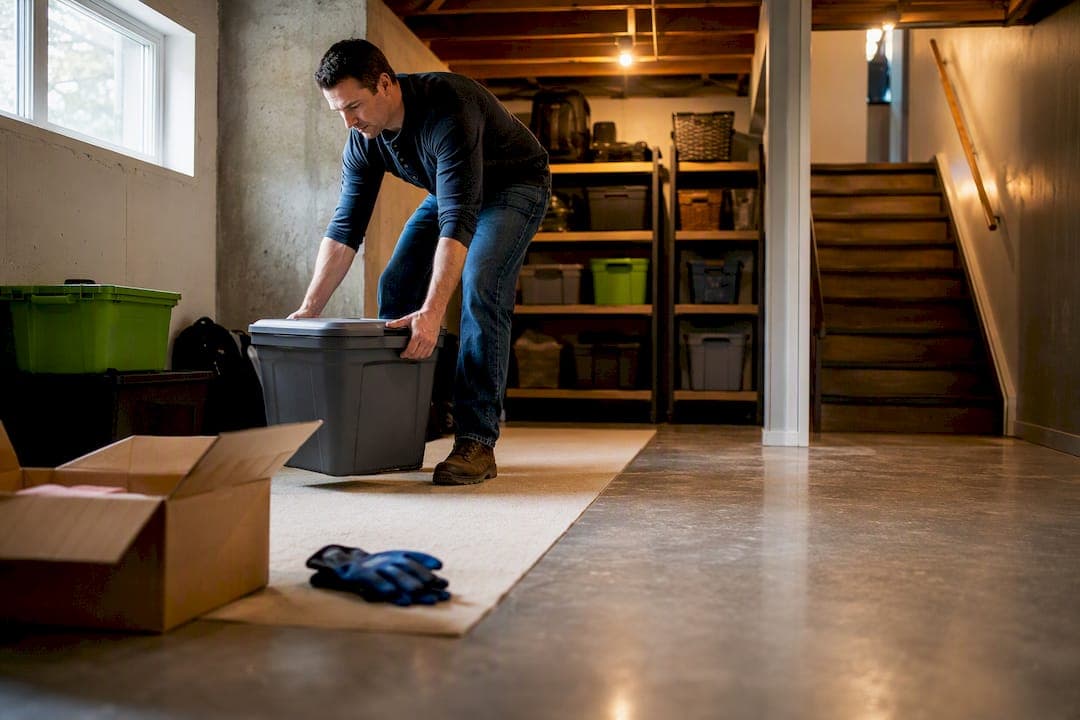
Stage the room, photograph it, then sort everything into five zones before you touch a single box. Most standard basement cleanouts run 3 to 6 hours of labor, so treat the job like a project with an end time, not an open-ended weekend chore. If you see mold larger than a dinner plate, standing water, or a couch wedged into a stairwell turn, stop sorting and call a crew like EasyScrap instead of pushing through alone.
TL;DR:
- DIY basement cleanouts typically take 3 to 6 hours for one or two workers unless mold larger than a dinner plate, standing water, or structural issues are present.
- Photograph the entire space, stairway, and water/mold spots beforehand to aid accurate quotes and facilitate planning for stair geometry and access.
- Personal protective equipment such as N95 masks, gloves, goggles, and long sleeves is essential, especially if mold exceeds 10 square feet or if there are structural concerns.
- Heavy or awkward items over 150 pounds or requiring disassembly should be handled by professionals with specialized equipment to ensure safety and avoid damage.
- Proper disposal of hazardous waste and donation requires adhering to local regulations and verifying items are clean, functional, and suitable for donation, to avoid legal or environmental issues.
Table of Contents
- Basement Cleanout Tips for Planning the Job Before You Lift a Box
- Safety Checklist: PPE, Mold Signs, and When to Stop
- How to Sort Fast Without Getting Stuck on Every Box
- Heavy Items and Stair Carries: When to Call In Help
- Where Things Actually Go: Donation, Recycling, and Hazardous Waste
- Cleaning and Storage After the Cleanout
- What a Basement Cleanout Really Costs in Time and Money
- What Actually Separates a Smooth Cleanout From a Miserable One
- Book a Basement Cleanout Without the Stair-Carry Headache
- Where to Check Mold and Hazardous Waste Rules Yourself
- Sources
Basement Cleanout Tips for Planning the Job Before You Lift a Box
Every efficient basement cleanout starts the same way: with a plan you can actually finish in an afternoon, not a vague intention to "get to it someday." Walk the space first and take photos, not memories.
Get a wide shot of the whole room, a close-up of any water stains or mold spots, and a straight-on shot of the stairwell showing width and turns. That last photo matters more than people think. Stair geometry determines whether furniture needs disassembly, which changes both your timeline and any quote you get from a hauling company.
Gather your supplies before you start, not halfway through:
- Heavy-duty contractor bags and flattened moving boxes
- Work gloves, an N95 or KN95 mask, and safety goggles
- A clip light or headlamp (basements are darker than you remember)
- A furniture dolly or hand truck for anything over 50 pounds
- Painter's tape and a marker for labeling boxes on the spot
Break the room into zones by wall or shelf unit, then work in 60 to 90 minute sessions. Basements punish marathon sessions with dust headaches and decision fatigue. Shorter bursts with breaks keep your judgment sharp when you're deciding what stays.
Pro Tip: Photograph the staging area and stair approach before you call anyone for a quote. Contractors price jobs faster and more accurately when they can see the obstacles instead of guessing over the phone.
Safety Checklist: PPE, Mold Signs, and When to Stop
Basements hide three things people underestimate: airborne dust, standing moisture, and structural surprises like loose railings or soft stair treads. Gear up before you open the first box.
- N95 or KN95 respirator — blocks mold spores and decades of settled dust that a regular dust mask lets through
- Heavy work gloves — protect against rusty nails, broken glass, and cardboard edges harboring pests
- Safety goggles — matter more in basements than any other room because insulation fibers and dust fall from above
- Closed-toe shoes and long sleeves — non-negotiable around old shelving and exposed fasteners
The Environmental Protection Agency treats this PPE list as baseline, not optional, for anyone working around mold or disturbed dust. On mold itself, the agency's own threshold is useful: patches smaller than roughly 10 square feet are generally manageable with detergent and water, but larger infestations or anything tied to contaminated floodwater need professional remediation. The CDC adds a specific warning for anyone with asthma, allergies, or a compromised immune system: skip the DIY mold cleanup entirely and bring in a professional.
Before lifting anything that's sat undisturbed for years, tap the box or bag first. In many regions, cardboard seams and dark corners are exactly where spiders and other pests settle in. A quick tap beats a surprise.
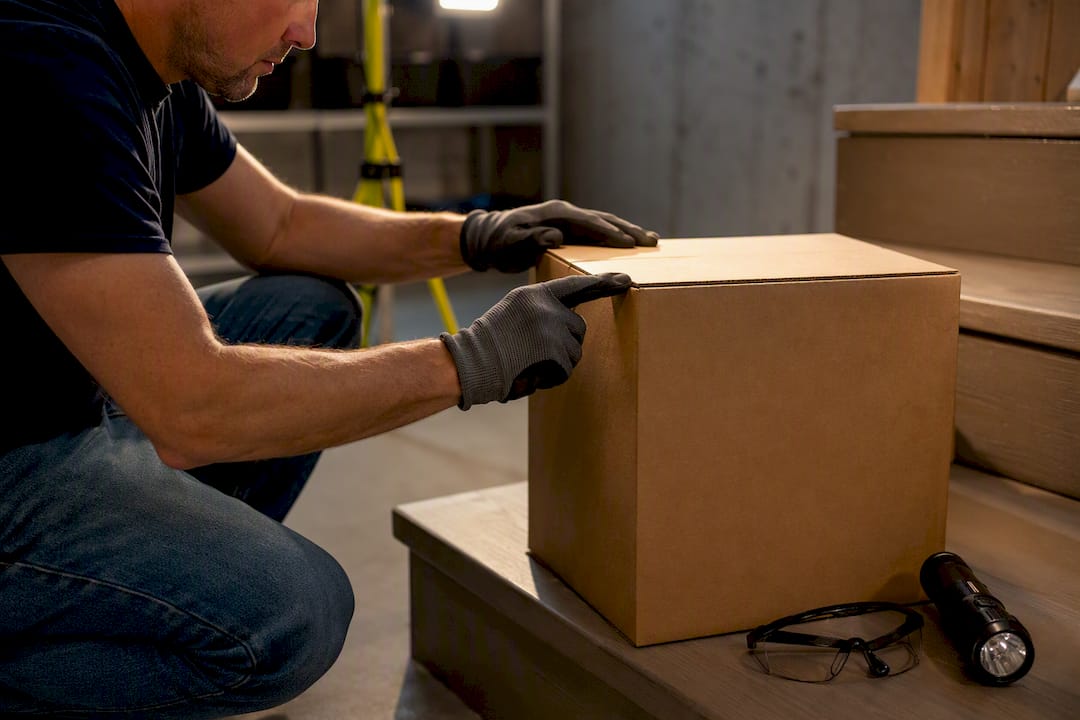
If you find a mold patch bigger than a dinner plate, smell persistent must after ventilating, or notice sagging joists or a soft stair tread, stop the DIY effort and call a professional.
How to Sort Fast Without Getting Stuck on Every Box
Decision paralysis kills more basement cleanouts than actual hauling does. The fix is a rule, not willpower: touch each item once, decide once, move on.
- Ask one question per item: "Would I buy this again today, at this price, for this purpose?" A no means it leaves the house.
- Route it immediately into one of six zones: keep, donate, sell, recycle, hazardous, or trash. Don't create a "maybe" pile. It becomes a second cleanout.
- Apply the time-value rule for cheap clutter. If an item is worth less than what your hourly time is worth to sit and deliberate over, put it in the removal zone and move on.
- Handle sentimental items separately. Photograph the item, box it dated, and store it for six months unopened. If you never went looking for it, donate it without guilt.
Pro Tip: Photograph anything you plan to sell before it leaves the basement. Listing photos taken in good light upstairs sell three times faster than dim basement shots, and you'll have proof of condition if a buyer disputes it later.
Heavy Items and Stair Carries: When to Call In Help
Sectionals, chest freezers, treadmills, and old workbenches share one problem: they weren't built to survive a basement stairwell. Every extra turn in the stairs adds labor time, and some pieces need partial disassembly just to clear the doorway at the top.
Run through this before deciding to DIY:
- Does the stairwell have a 90 degree turn or a landing narrower than the item's widest dimension?
- Does the item exceed roughly 150 pounds, or does it require two or more people to lift safely?
- Would disassembly (legs off, cushions removed, motor housing detached) be needed to fit through the frame?
- Do you or anyone helping have back, knee, or cardiac limitations that make repeated stair trips risky?
If you answered yes to any of those, hire it out. Professional crews staff and equip jobs specifically for stair-carry work, sizing dollies for tight turns and bringing extra hands for sectionals and appliances rather than improvising on the spot. A basement cleanout service also typically handles insured removal and proper appliance disposal, including refrigerant units that require special handling under federal rules, which removes a real liability from your plate.
Where Things Actually Go: Donation, Recycling, and Hazardous Waste
Sorting is only half the job. Where each category ends up determines whether your cleanout is fast and lawful or a slow-motion problem you inherit later.
| Category | Correct disposal path |
|---|---|
| Latex paint | Dry out completely, then regular trash in most areas |
| Oil-based paint, solvents | Household hazardous waste (HHW) drop-off only |
| Batteries (all types) | HHW drop-off or retailer take-back program |
| Refrigerant appliances | Certified appliance removal (refrigerant recovery required) |
| Electronics | Municipal e-waste program or retailer recycling |
| Working furniture, mattresses | Donation, if clean and intact |
Municipal HHW programs exist for exactly this reason. A local household chemical collection center is a typical example of the kind of drop-off site most cities run on scheduled days, and checking your own city's page before dumping paint or batteries in the trash saves you a fine and an environmental headache.
For donation, the bar is simple: clean, intact, and working. A donation program that routes usable furniture and appliances to people who need them keeps items out of landfills, and many professional junk removal crews build this routing into every job by default rather than treating it as an extra step.
Cleaning and Storage After the Cleanout
Once the floor is clear, the actual cleaning is straightforward. Bare concrete needs a stiff broom, a shop vacuum for fine dust, and a mild degreaser for old stains. Finished basement flooring, like vinyl plank or carpet tile, does better with a standard pH-neutral cleaner and a microfiber mop instead of anything abrasive.
Run a dehumidifier for a few days afterward, especially if the space felt damp during the sort. Moisture is what invites the next round of clutter and mold in the first place.
- Store boxes on wire shelving at least four inches off the floor
- Label every bin on two sides, not just the top
- Group by category (seasonal, tools, memorabilia) rather than by "leftover space"
Pro Tip: Walk the basement every six months with a flashlight, checking corners and behind shelving for new moisture or pest activity before it becomes a bigger project. If cleaning schedules are hard to stick to, a home cleaning service checklist can help you figure out what recurring help actually looks like.
What a Basement Cleanout Really Costs in Time and Money
A standard cleanout without mold or flood damage runs 3 to 6 hours for one or two people working steadily. Add mold or water damage and the timeline stretches to 1 to 2 days, since remediation has to happen before hauling can even start.
Three things drive cost more than anything else: total volume, whether items need to go up a stairwell, and whether anything requires special handling like refrigerant recovery. DIY costs mostly come down to truck rental and dump fees, plus any temporary storage if you're not ready to part with everything at once. Full-service removal folds labor, hauling, and disposal into one price, which is usually higher upfront but removes the stair-carry risk and the dump run entirely.
- Pre-sort into zones before a crew arrives to cut their time on site
- Clear a path to the stairs so nothing gets renegotiated mid-job
- Send photos ahead of time for a tighter, more accurate quote
For deeper budget planning, this basement cleanout cost breakdown walks through pricing by volume and access difficulty.
What Actually Separates a Smooth Cleanout From a Miserable One
The homeowners who get through a basement cleanout without losing a weekend to it share a few habits: they send photos before asking for a quote, they date a trial box for sentimental items instead of agonizing over each one, and they move items zone by zone instead of touching the whole room at once.
The other thing worth saying plainly: donation routing isn't just a feel-good add-on. Keeping a working dresser or a functional dehumidifier out of a landfill is a real outcome, not a marketing line, and it's one of the easiest wins in the entire process. Most people just never think to ask whether their hauler does it.
— Easy
Book a Basement Cleanout Without the Stair-Carry Headache
EasyScrap exists for the part of the job that photos and good intentions can't solve: getting heavy, awkward items up a narrow stairwell without wrecking your back or your railing. Once you've sorted your zones, an insured crew handles the hauling, the appliance disposal, and the donation routing in one visit, often the same day you call.
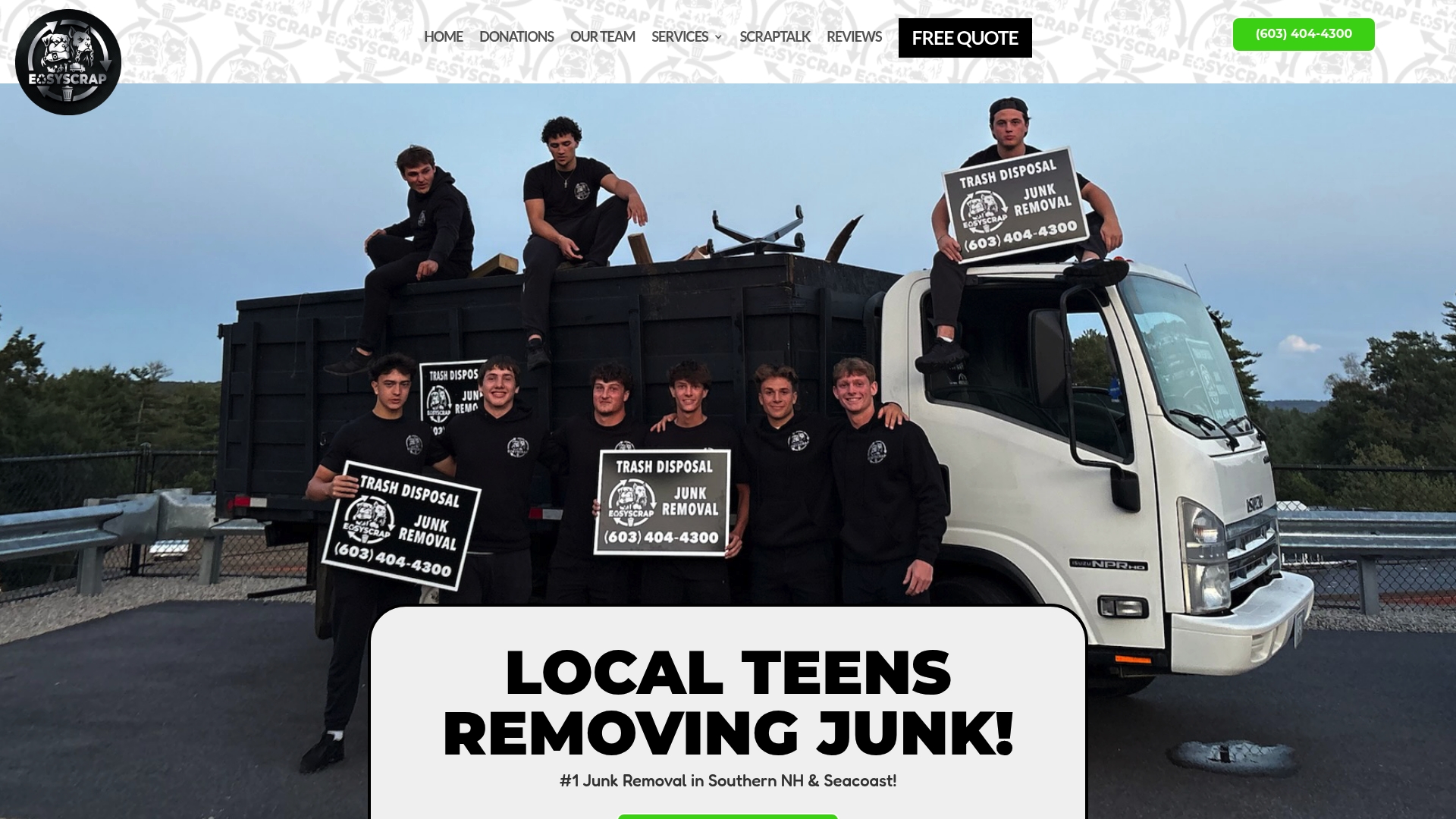
DIY sorting plus a hired hauling crew is usually the fastest path if you've got a sectional, a chest freezer, or a stack of appliances waiting at the bottom of the stairs. It's also the safer path if anyone in the house has back or knee limitations. Browse the full service list if you're not sure whether your job fits standard junk removal or needs something specific like appliance removal. To get a fast, accurate quote, send photos of the basement and the stair approach, note any large or unusual items, and mention whether you need same-day service.
Where to Check Mold and Hazardous Waste Rules Yourself
For mold thresholds and cleanup steps, review the EPA's mold cleanup guidelines and the EPA's mold cleanup home guide. For health risks tied to mold exposure, see the CDC's mold cleanup page. Look specifically for PPE thresholds, professional-help triggers, and local HHW drop-off rules before you start.