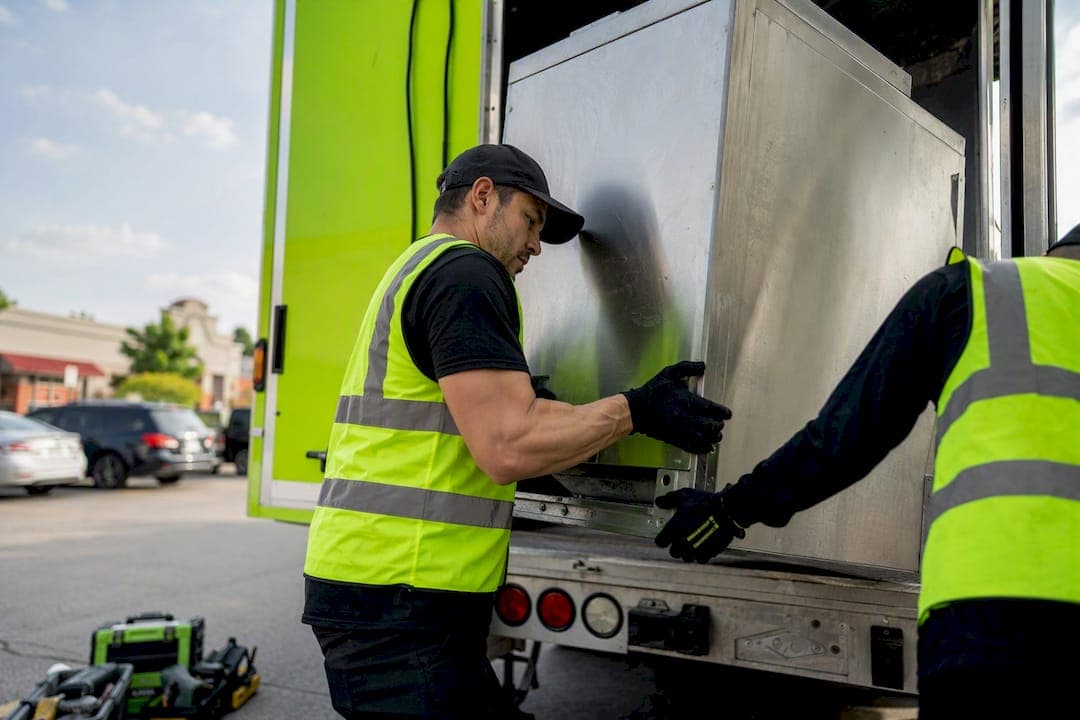
Hiring a professional commercial appliance removal service is the right call for almost every facilities team, mainly because refrigerant handling and heavy lifting carry real safety and compliance risk. Expect to pay a variable amount per unit depending on size, access, and whether refrigerant recovery is involved. The fastest path forward: request a free onsite estimate and get the job on the calendar before it becomes an emergency.
TL;DR:
- Costs vary significantly based on appliance size, location, and refrigerant recovery, with single units typically ranging from $75 to $250.
- Multi-unit clearouts and disassembly of large units like walk-in coolers can cost several hundred dollars more, depending on complexity.
- Certified refrigerant recovery by EPA-qualified technicians is mandatory and often a major line item, especially in urban or complex sites.
- Proper site preparation including utility disconnection and scheduling permits can speed up removal and reduce unexpected delays or costs.
- Reliable vendors will provide detailed, itemized quotes, proof of insurance, and disposal certificates to ensure regulatory compliance and transparency.
Table of Contents
- What Does Commercial Appliance Removal Actually Cover?
- What Does Commercial Appliance Removal Cost?
- How Does the Removal Process Actually Work?
- How to Choose a Reliable Commercial Appliance Removal Service
- Preparing Your Site Before the Crew Arrives
- Where Do Removed Appliances Actually Go?
- Our Take on Commercial Appliance Removal
- Ready to Get a Quote?
- Sources
What Does Commercial Appliance Removal Actually Cover?
Commercial appliance removal spans a wider range of equipment than most property managers expect going in. A single reach-in refrigerator pickup looks nothing like clearing out a walk-in freezer system, and pricing, labor, and timeline shift accordingly.
Crews handling commercial junk removal typically deal with:
- Reach-in refrigerators and freezers (restaurant kitchens, break rooms, retail coolers)
- Walk-in coolers and freezers, including panel disassembly when units won't fit through doorways
- Ice machines and beverage dispensers
- Commercial ovens, ranges, and hood systems
- Rooftop or package HVAC units
- Industrial washers and dryers in commercial laundry facilities
Scale matters as much as appliance type. A single-unit pickup is a straightforward job. A multi-unit clearout, like emptying an entire kitchen during a restaurant closure, needs more crew and more truck capacity. Walk-in system dismantles often require partial disassembly before anything moves, since these units rarely leave in one piece.
Access is the wildcard that changes almost every quote. Stairs, narrow hallways, reserved freight elevators, and roof penetrations for rooftop units all add time and labor that a phone estimate can't always capture.
What Does Commercial Appliance Removal Cost?
Pricing for commercial appliance removal generally follows one of three models: flat per-item rates, truckload or volume pricing for multi-unit jobs, and hourly labor plus separate disposal fees. Which model applies usually depends on job size and how much sits on the truck by the time crews finish loading.
Typical cost ranges (these are estimates and vary by region and market):
- Single reach-in refrigerator or freezer: often in the $75 to $250 range
- Walk-in cooler or freezer removal with disassembly: can run several hundred dollars higher due to labor time
- Multi-unit commercial kitchen clearout: usually priced by truckload rather than per item
- Commercial washer/dryer sets: comparable to standard appliance pricing, slightly more with stacked units
Refrigerant recovery is one of the biggest line items that catches facilities managers off guard, since EPA guidance requires certified technicians to handle it rather than general labor. Beyond that, watch quotes for permit or parking fees in dense urban sites, stair or hoist charges for walk-ups without elevator access, and environmental disposal fees tied to hazardous components. Vendors that offer per-item pricing, truckload pricing, and hourly rates depending on the job are following standard industry practice, not inventing a pricing scheme on the spot.
Pro Tip: Ask for an itemized quote, not a single lump number. A vendor that breaks out labor, disposal, and refrigerant fees separately is easier to compare against competing bids.
How Does the Removal Process Actually Work?
Most jobs start with an estimate, either a quick photo-based quote or a full onsite inspection for larger or more complex equipment. Sending the make, model, and a few photos with clear access notes (stairs, hallway width, elevator availability) speeds up quoting considerably and often avoids a surprise change in price on removal day.
Removal day generally follows this sequence:
- Crew arrives and does a walkthrough to confirm access and protect floors and walls
- Utility disconnects happen, ideally by a licensed electrician or HVAC tech beforehand for hardwired units
- Certified technicians handle refrigerant recovery on any unit that contains it
- Crew moves the appliance using dollies, straps, or a hoist system depending on weight and stairs
- Equipment loads onto the truck and floor protection comes up once the path is clear
After pickup, appliances typically head to one of three places: a recycling facility for metal salvage, a resale or donation channel if the unit still works, or a certified refrigerant recovery center. A reliable vendor should hand over a disposal receipt or certificate of recycling before leaving the site, which matters more than it sounds like for facilities audits later.
Pro Tip: If a remodel or site closure is on a tight timeline, tell the vendor upfront. Professional removers regularly coordinate directly with general contractors to hit demolition or buildout schedules.
How to Choose a Reliable Commercial Appliance Removal Service
One checklist separates a solid vendor from a liability. Before signing anything, confirm each of these:
- Proof of insurance covering both property damage and worker injury
- Confirmation that refrigerant recovery goes through EPA-qualified technicians, not general labor
- A written, itemized estimate rather than a verbal ballpark
- A clear recycling and donation process, not a vague "we take care of it"
- References from other commercial or property management clients
Ask vendors directly: Do you handle refrigerant recovery in-house or through a certified partner? Will you provide disposal receipts after the job? What's your cancellation or rescheduling policy if the site isn't ready? How many crew members are coming, and how long will the job realistically take?
The answers, or lack of them, tell you most of what you need to know. Absence of insurance proof is the single biggest red flag in commercial appliance removal, closely followed by a refusal to itemize fees or vague talk about recycling with no specifics. An unusually low bid that skips line items for labor or disposal almost always means those costs show up later, or the equipment ends up somewhere it shouldn't.
Pro Tip: A vendor that hesitates when asked for insurance documentation has already answered the question. Move on.
Preparing Your Site Before the Crew Arrives
Utility disconnects should happen before the crew shows up whenever possible. Hardwired ovens, HVAC units, and some walk-in systems need a licensed electrician or HVAC technician to safely disconnect power and lines. Scheduling that work a day ahead of the removal appointment avoids delays on the day itself.
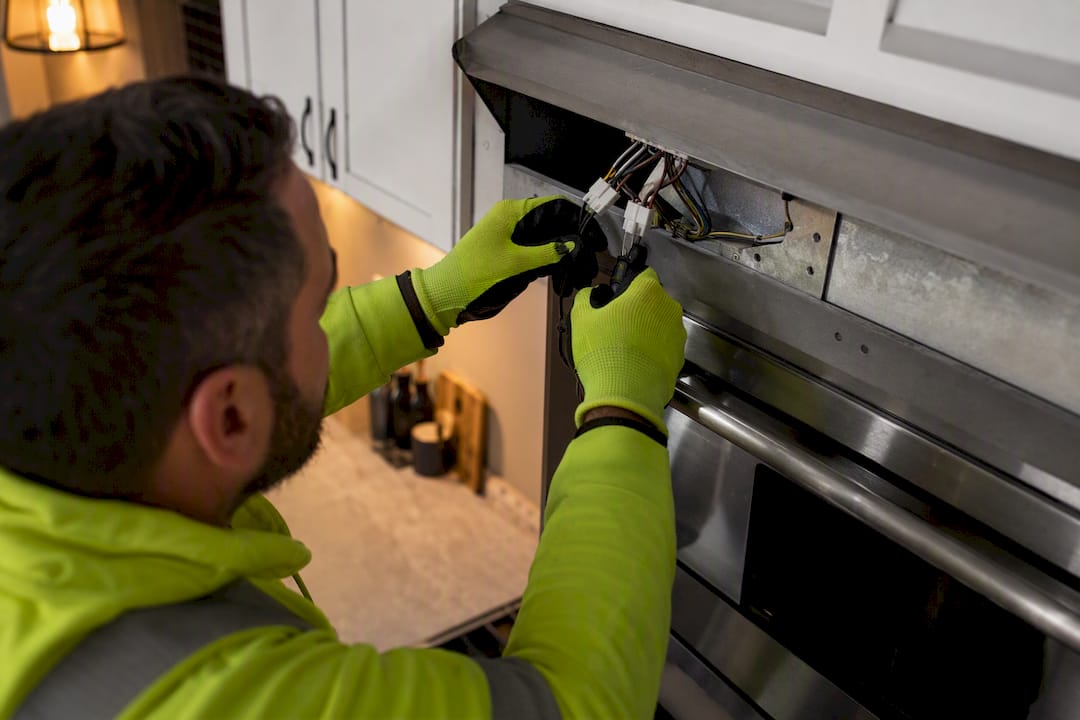
Refrigerant is the one component that's non-negotiable on the compliance front. EPA consumer guidance makes clear that recovery from refrigerant-containing appliances has to go through certified technicians, and a legitimate vendor either employs them directly or arranges a certified partner before the job starts.
Beyond that, a few logistics decisions make removal day faster:
- Reserve freight elevators in advance for multi-floor buildings
- Confirm parking or loading dock permits if the site is in a dense commercial zone
- Lay down floor protection and elevator padding ahead of time
- Designate a staging area near the loading path for removed items
Where Do Removed Appliances Actually Go?
Most commercial appliances follow one of three paths once they leave the site: metal salvage for scrap value, resale or donation if the unit still runs, and certified refrigerant recovery for anything that held coolant. Working equipment in good condition is often the easiest win, since donation avoids landfill fees entirely while giving a nonprofit or smaller business usable equipment.
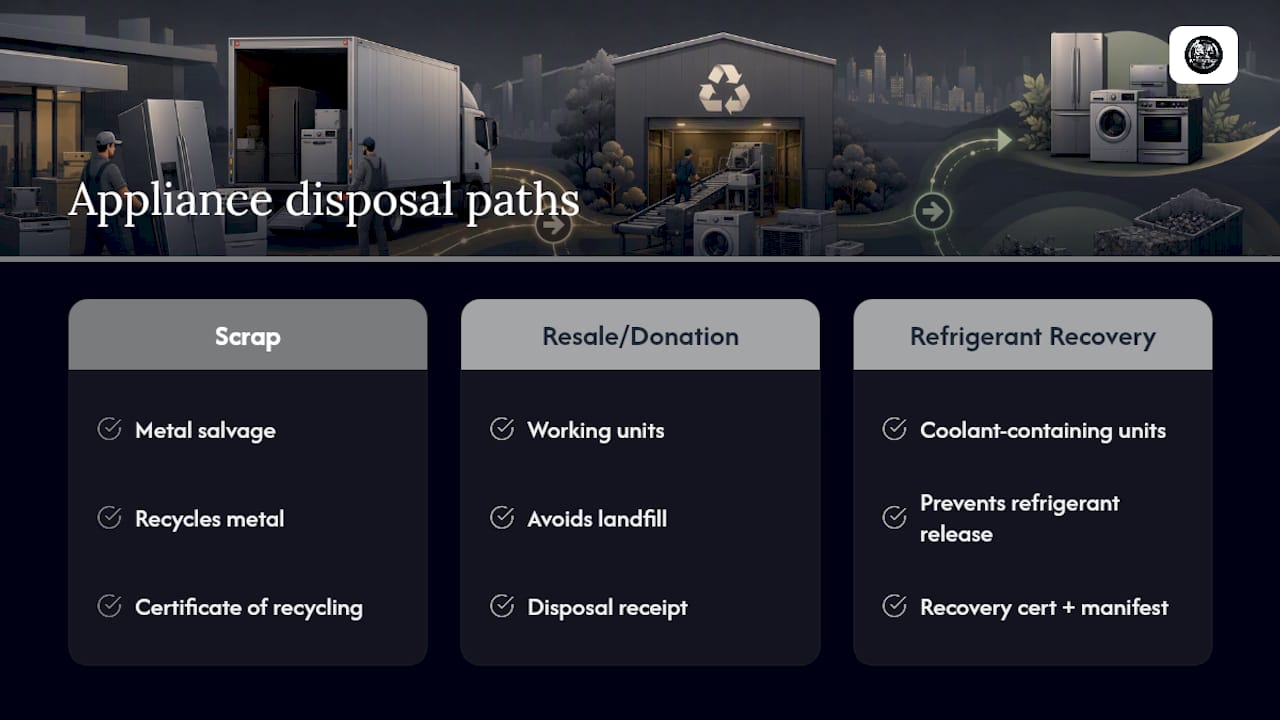
After the job wraps, request documentation that covers your facility on paper: a disposal receipt confirming where the appliance went, a certificate of recycling for scrapped units, and a manifest for anything classified as hazardous material. Vendors that hand these over without being asked twice are usually the ones running a legitimate operation.
The compliance stakes here are higher than most facilities teams realize going in. Refrigerant-containing appliances carry both environmental risk and regulatory obligations, and insisting on certified recovery protects the facility from liability if a unit's disposal history ever comes up in an audit. EasyScrap's own fridge disposal guide walks through the safe, legal steps in more detail for teams handling refrigeration equipment specifically.
Our Take on Commercial Appliance Removal
Most facilities managers treat appliance removal like an afterthought until a walk-in cooler dies mid-shift and suddenly it's a same-day emergency. That reactive pattern is exactly backward. The vendors worth keeping on speed dial are the ones who can schedule around a remodel timeline just as easily as they can show up same-day, and who don't treat refrigerant recovery as an optional upsell.
EasyScrap builds around that reality. Our crews handle both residential and commercial appliance removal, we're insured, and we recycle or donate equipment whenever the condition allows instead of defaulting to landfill. Every quote is free and upfront before a truck ever gets scheduled, and disposal documentation is available on request, not buried behind a phone call nobody returns. That combination, insured crews plus honest paperwork, is rarer in this industry than it should be.
— Easy
Ready to Get a Quote?
Facilities managers who plan removal instead of reacting to it save both money and headaches. A working walk-in cooler that gets scheduled for removal during a remodel costs far less to handle than an emergency call after it fails on a Friday. EasyScrap's insured crews handle single-unit pickups and full commercial kitchen clearouts alike, with recycling and donation built into the process rather than tacked on as an afterthought.
Before requesting a quote, have the make and model of each appliance ready, a couple of photos, and notes on access (stairs, elevators, loading dock restrictions).
That information gets you an accurate number faster and avoids surprise charges on removal day. Head to the appliance removal page to request a free onsite estimate, or check out the full range of services if your project also involves a broader cleanout or construction debris. Same-day slots fill up fast, so getting on the schedule now beats waiting for equipment to fail first.