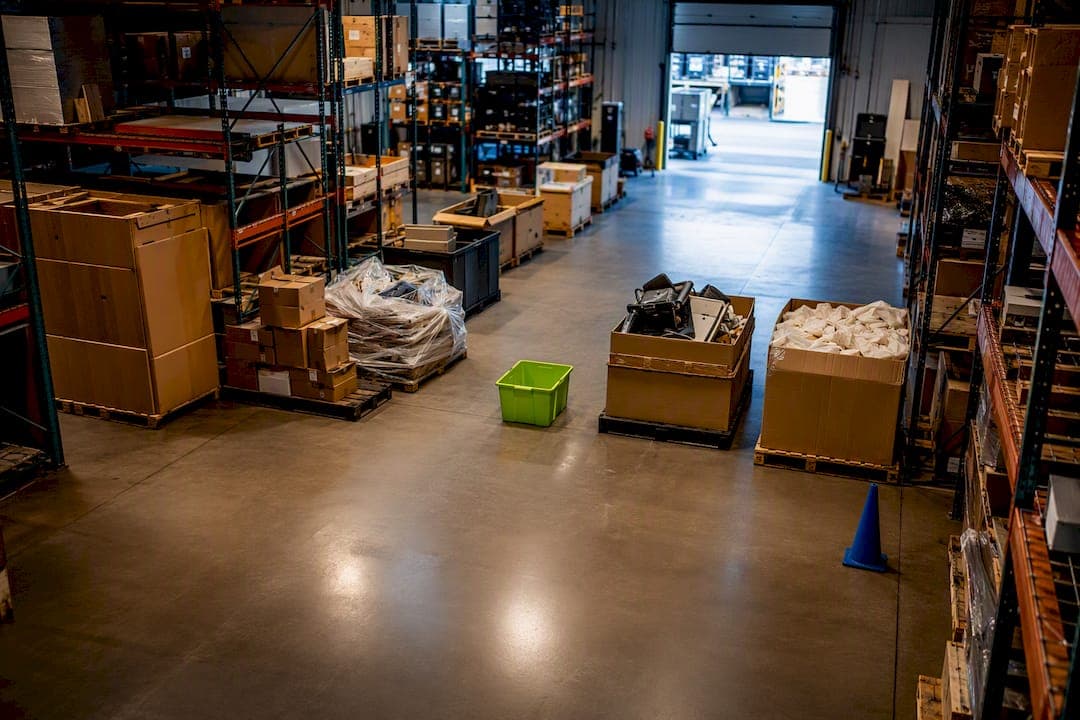
The fastest safe warehouse cleanout runs as a planned 30 to 60 day project, working three tracks at once: sell what has resale value, donate what doesn't, and haul the rest. Treat the cleaning step as inspection, not tidying. Start this week: walk the floor with a camera, log every zone, and set a hard completion date before you touch a single pallet.
TL;DR:
- A 60-day schedule allows thorough liquidation, donation, and hauling with early vendor coordination, while shorter timelines significantly increase costs.
- Regular cleaning routines focused on debris removal and equipment checks improve safety and reduce damage during active cleanout periods.
- Conduct detailed initial assessments with photos, condition notes, and resale calls, assigning ownership to ensure accurate tracking and documentation.
- Segregate tasks into phases with clear owner responsibilities, prioritizing liquidation first, then donation, and finally junk removal for leftover items.
- Hiring specialized, insured crews for heavy lifting and haul-out work usually costs less than overtime or risky internal efforts during compressed deadlines.
Table of Contents
- Warehouse Cleanout Guide: Setting Your Timeline and Goals
- How Do You Assess a Warehouse Before a Cleanout?
- What Does a 60-Day Warehouse Cleanout Schedule Look Like?
- How Often Should a Warehouse Be Cleaned?
- Why Does 5S Treat Cleaning as Inspection?
- Should You Sell, Donate, or Haul Your Warehouse Inventory?
- What Happens on Execution Day?
- How Do You Keep the Warehouse from Reverting?
- Safety and Equipment Checks Before You Start Moving Anything
- A Cleanout Is a Reset, Not a Deep Clean
- Get Help With the Heavy Lifting Part
- Sources
- FAQ
Warehouse Cleanout Guide: Setting Your Timeline and Goals
Picking a timeline first keeps every later decision honest. A multi-week plan of about two months is the safer default for most facilities. It gives liquidation buyers time to bid, donation charities time to schedule pickups, and your team room to work around normal shipments. A plan of about one month works for smaller sites or single zones, but expect to pay more for rush hauling and to skip some resale opportunities. Rush cleanouts under two weeks almost always cost more per pound removed, since combining liquidation, donation, and junk removal in parallel spreads risk better than any single-vendor rush job.
Set goals that someone can actually measure on a given date:
- Broom-swept condition by a specific calendar date, not "by the end of the month"
- A target percentage of inventory liquidated or donated before the haul crew arrives
- A downtime cap, so picking and shipping never stop for more than a defined window
Loop in operations, finance (for donation valuation), and your landlord or property manager early, especially if a lease-end walk-through is on the calendar.
How Do You Assess a Warehouse Before a Cleanout?
Start with a walkthrough that produces decisions, not just impressions. Photograph every zone (receiving, racking, pick modules, dock area, offices) before anything moves, so you have a baseline to compare against and documentation if a donation or insurance question comes up later.
Set up a physical red-tag area near the exit. Any item nobody claims ownership of within a reasonable decision window gets sold, donated, or hauled with no further debate.
For each asset worth a decision, record four things:
- A photo showing condition, not just presence
- Model number or manufacturer tag if visible
- Condition notes (working, damaged, missing parts)
- A rough resaleability call: sell, donate, or scrap
Pro Tip: Assign one person to own the red-tag log in a shared spreadsheet. When five people tag items independently, nothing gets tracked and half the "maybe" pile turns into permanent clutter by week three.
This assessment doubles as your inventory record for donation receipts and any liquidation bids you send out later.
What Does a 60-Day Warehouse Cleanout Schedule Look Like?
Break the project into four phases and assign owners, not just tasks.
Phase 1: Complete the photo assessment, red-tag everything undecided, and get quotes from liquidation buyers, donation charities, and a junk removal crew. Confirm truck access and dock scheduling early, before vendors book up.
Phase 2, days 16 to 30: Notify staff of the schedule, request certificates of insurance (COI) from any outside crew, and lock in donation pickup dates. Stage sellable items separately from donation and haul piles.
Phase 3: Execute in order: liquidation buyers first (they need clean access to specific racks), then donation pickups, then junk removal for whatever remains. This sequence avoids hauling something a buyer would have paid for.
Phase 4: Final sweep, floor cleaning, and landlord or property manager walk-through.
A 30 day version compresses phases 1 and 2 into the first week and runs phase 3 in parallel rather than sequentially, which is exactly why it costs more.
How Often Should a Warehouse Be Cleaned?
Cleaning frequency should match risk, not appearance. Daily tasks matter most during a cleanout because loose pallet debris and blocked travel paths are the leading cause of slips and forklift incidents when a facility is in flux.
Daily:
- Clear pallet debris and shrink wrap from aisles and dock areas
- Sweep main travel paths, especially near active work zones
- Run pre-shift powered industrial truck (PIT) inspections before any forklift moves a load
Weekly:
- Deep sweep or scrub the full floor, not just main aisles
- Remove broken or damaged pallets from staging areas
- Sanitize break rooms and employee areas
Monthly or quarterly:
- Service floor-scrubbing machines and check dock levelers for wear
- High-dust racking, lights, and sprinkler heads
- Inspect dock seals and door tracks for damage
Combined cleaning routines and aisle discipline measurably reduce equipment damage, downtime, and injury rates in industrial facilities, which is exactly why cleanout week is the wrong time to skip the daily basics. During an active cleanout, prioritize high-traffic paths and any equipment still in use over cosmetic corners nobody walks through.
Why Does 5S Treat Cleaning as Inspection?
The 5S framework, Sort, Set in Order, Shine, Standardize, Sustain, treats the "Shine" step as a way to catch problems before they cause an incident, not just a way to make things look better. A warehouse applying 5S systematically works through each zone, receiving, picking, packing, shipping, in that order:
- Sort: Pull anything not actively used out of the zone (matches your red-tag process)
- Set in Order: Give every remaining item, tool, and pallet a marked home location
- Shine: Clean as inspection, wiping down conveyor sensors, scale glass, and dock door seals while checking for damage
- Standardize: Write down the new layout as a one-page visual standard, photo included
- Sustain: Build the routine into shift checklists so it doesn't slide back
The Shine step regularly surfaces things a visual walk-through misses: a cracked dock seal letting in weather, a scale reading off because the glass is caked in dust, a photo sensor throwing false stops.
Pro Tip: For high racking where dust accumulates out of reach, HEPA-filtered vacuums handle loose debris well, but persistent high-shelf dust often needs a targeted high-reach approach. Drone-based cleaning is one option worth pricing out if scaffolding or lift rental is eating your cleanout budget.
Should You Sell, Donate, or Haul Your Warehouse Inventory?
Liquidation makes sense when you have specialized equipment, bulk pallet racking, or inventory with genuine resale demand, think forklifts, shelving systems, or unopened stock. Expect the process to take longer than donation or haul because buyers need to inspect and negotiate.
Donation fits usable furniture, office equipment, and functional tools nobody wants to buy outright. It moves faster than liquidation but slower than a haul crew, since most charities schedule pickups in advance.
Junk removal is the fastest track and the right call for damaged goods, obsolete equipment, and anything left after the first two tracks finish.
- Liquidation: slowest, highest potential recovery, best for bulk equipment
- Donation: moderate speed, tax benefit, best for usable furniture and tools
- Junk removal: fastest, lowest cost per item removed, best for the leftovers
Keep photos and itemized receipts for every donation. Noncash donations over $500 generally require IRS Form 8283 documentation, so build that paperwork habit into your Phase 2 staging, not as an afterthought in week eight.
What Happens on Execution Day?
Stage the floor before trucks arrive. Separate the traffic lanes for outbound trucks from any forklift paths still active for daily operations, and mark them clearly so nobody improvises a shortcut through a loading lane.
Assign roles before the crew starts moving anything:
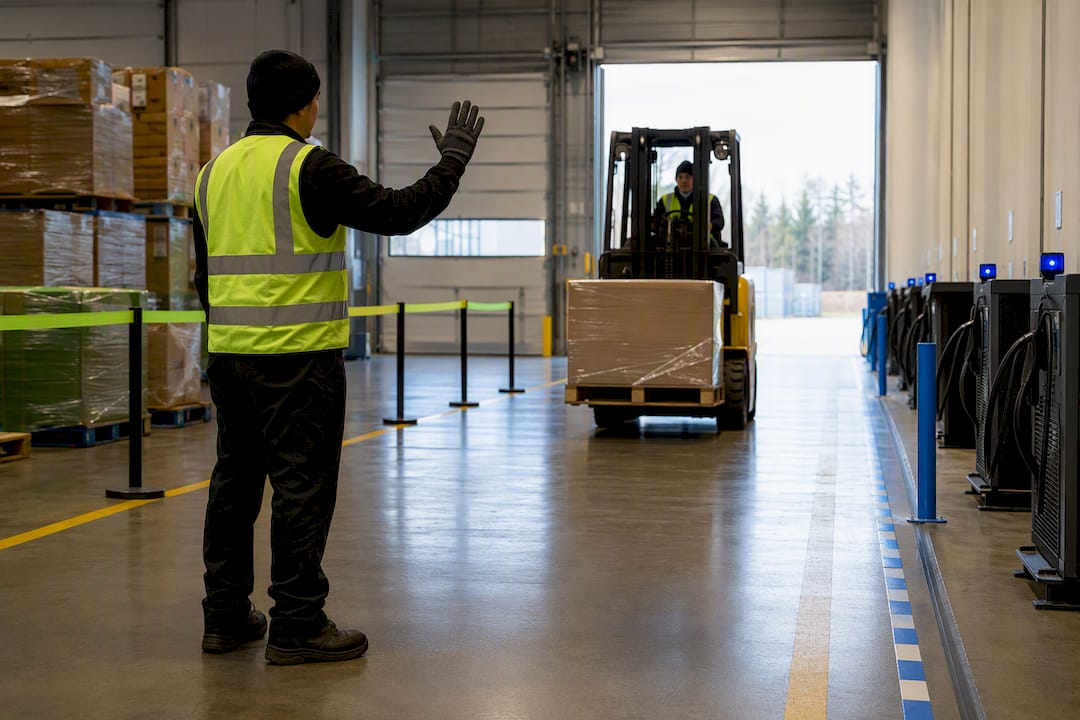
- A spotter for every forklift or PIT operating near foot traffic
- A crew lead confirming load sequencing (sell items first, if a buyer is on-site)
- Someone responsible for the paperwork trail: signed receipts, donation confirmations, COI on file
Pro Tip: Book freight elevators or loading dock slots in writing, especially in multi-tenant buildings. A verbal "should be fine" from a building manager is not a reservation, and cleanout day is the worst time to find that out.
Heavy fixed assets, pallet racking, walk-in coolers, industrial shelving, usually need a specialized crew with the right equipment rather than a standard junk truck. Confirm equipment requirements with any vendor before booking, not after they show up short-handed.
How Do You Keep the Warehouse from Reverting?
A cleanout that isn't sustained is just a temporary photo opportunity. The most common failure point in 5S programs is treating it as a one-time event instead of a standing routine. A simple one-page audit, scored 0 to 5 on each pillar, keeps the gains visible.
Run a shift-reset check daily, a zone audit weekly, and a leader walk (a gemba walk) monthly. When an audit finds a gap, assign an owner and a due date on the spot, then confirm closeout at the next cycle instead of letting it drift onto next month's list.
Safety and Equipment Checks Before You Start Moving Anything
A cleanout multiplies the number of things moving through your aisles at once, which multiplies your incident risk if you skip the basics. Powered industrial truck (PIT) pre-shift inspections matter more during a cleanout than on a normal day, since forklifts are often handling unfamiliar loads (odd-shaped racking, stacked pallets of donated goods) that don't match their usual routine.
Before any equipment moves on cleanout day, confirm:
- Forklift pre-shift checklist completed and logged, including brakes, forks, and hydraulic function
- Personal protective equipment (PPE) on every crew member: gloves, steel-toe boots, and hi-vis vests at minimum, hard hats if racking is being disassembled overhead
- A current certificate of insurance (COI) on file from any outside vendor or hauling crew before they set foot on the property
Insurance is not a formality here. If a rented crew damages racking, drops a pallet on a walkway, or causes an incident during removal, your facility's liability exposure depends entirely on whether that crew carried its own coverage. Ask for the COI in writing before the truck is scheduled, not the morning it arrives.
Spotters matter as much as the operator when forklifts share space with foot traffic during a cleanout, since normal aisle patterns are disrupted and pedestrians are less likely to anticipate where a loaded lift will turn next. If your facility runs propane or electric PIT equipment near loading docks, confirm ventilation and charging areas stay clear of staged donation piles, since blocked exits and cluttered charging stations are two of the most common findings in post-incident reviews.
A Cleanout Is a Reset, Not a Deep Clean
Most managers treat a warehouse cleanout as a one-time scramble before an inspection or a lease deadline, then wonder why the floor looks the same six months later. That's backwards. The value isn't in the dumpster you fill. It's in the re-slotting decisions you make while everything is already out of place, since cleaning without touching pick flow wastes the entire event.
The biggest mistake is boiling the ocean: trying to 5S the whole building at once instead of proving the method on one pick module first. Run it small, measure picks per hour before and after, and let the numbers make the case for expanding it.
Whoever owns the Sustain cadence, not the initial cleanout, determines whether this sticks. Pick that owner this week, before the dumpsters even arrive.
— Easy
Get Help With the Heavy Lifting Part
Everything above gets you organized, sorted, and staged. At some point, though, someone still has to physically move pallet racking, broken shelving, and a dumpster's worth of debris out the door, and that's where a lot of cleanout timelines quietly slip. Easyscrapofficial runs insured crews for exactly this kind of large-volume haul, handling appliance and furniture removal, donation routing for usable items, and same-day pickups when your Phase 3 execution window is tighter than you'd like.
Handle the sorting and red-tagging internally, since nobody knows your inventory better than your own team. But once volumes climb past what your staff can safely move in a weekend, or a lease deadline is bearing down, bringing in a dedicated crew usually costs less than the overtime and downtime of doing it piecemeal. Check our full range of removal services or get a free quote on junk removal for your facility's cleanout timeline.
Sources
- 5S Warehouse Explained: Principles and Best Practices | Phase V
- How to Do 5S in a Warehouse | Kaizumi
- How to clear out a warehouse when closing a business in 2026: Liquidation, donation, and junk removal
FAQ
What Is the Best Way to Clean a Warehouse?
Run cleaning in layers: daily debris and travel-path clearing, weekly deep sweeping, and monthly or quarterly equipment servicing. During a cleanout specifically, treat the "Shine" step as inspection rather than tidying, since it surfaces safety issues like cracked dock seals or dirty sensors.
How Often Should a Warehouse Be Cleaned?
Daily tasks (debris removal, travel path clearing, pre-shift PIT checks) matter most for safety, weekly tasks handle deeper floor and employee-area cleaning, and monthly or quarterly service covers equipment like floor scrubbers and dock levelers.
How Do You Keep a Warehouse Dust Free?
Combine daily sweeping of main aisles with HEPA-filtered vacuuming for loose debris, and schedule targeted high-reach cleaning for racking and lights that accumulate dust out of normal reach.
How Much Does It Cost to Clean a Warehouse?
Cost depends heavily on facility size, timeline, and whether you're running a rush job or a planned 60 day cleanout, since compressing the schedule typically means paying premium rates for liquidation, donation coordination, and hauling all at once. A same-day insured crew can quote based on your specific volume and item types rather than a flat facility rate.