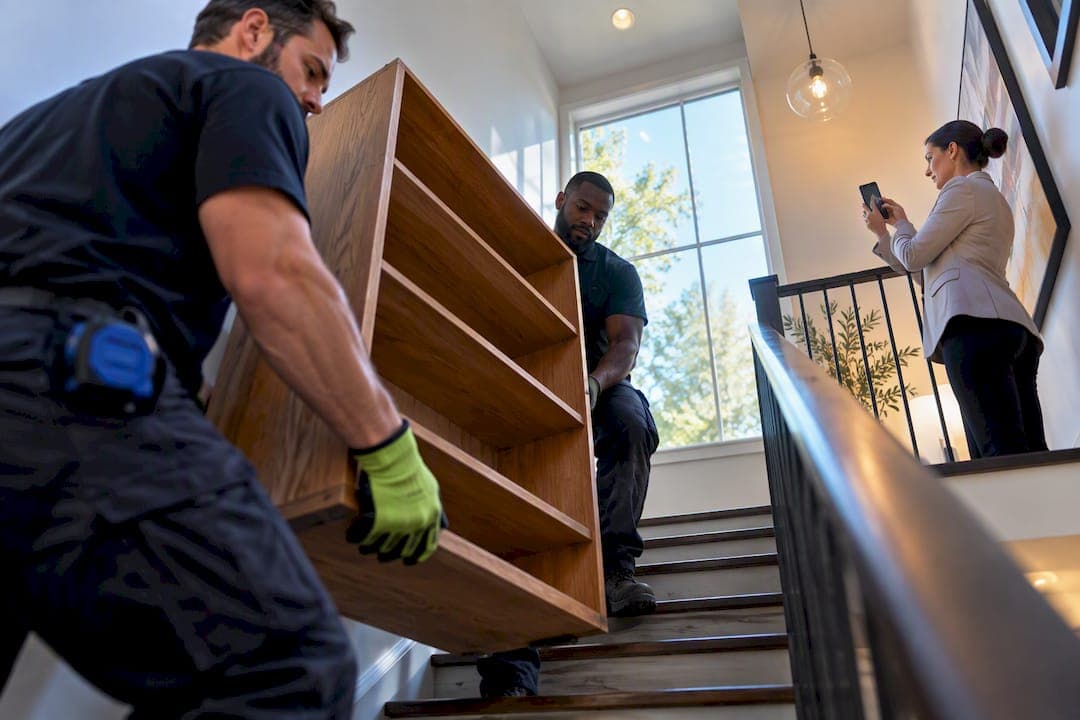
Hiring a professional junk removal partner is the fastest way to get a listing show-ready, and EasyScrap is a practical local option for agents who need it done right. A good partner clears a property, leaves it broom-swept, and handles donations and recycling along the way. Start with a photo quote before you book, so timelines and scope are clear from the first call.
TL;DR:
- Priority scheduling for same-day or same-week service ensures that listings are prepared quickly without delays or rescheduling.
- Quotes based on photos allow accurate budgeting for volume, heavy items, hazardous materials, and extra disposal fees before the crew arrives.
- Typical cleanouts include full haul-away, appliance removal, yard debris, and a broom-swept finish, with turnaround times ranging from a few hours to several days.
- Flagging hazardous items like paint, batteries, or propane tanks in advance can reduce unexpected costs and ensure proper handling.
- Using an itemized estimate and confirming insurance coverage upfront helps prevent surprises and guarantees a smooth, reliable service process.
Table of Contents
- Why realtors hire professional junk removal for listings
- Partner program benefits realtors should expect and negotiate
- What to expect on the job: deliverables and logistics
- Pricing drivers and how to budget for a realtor cleanout
- Donations, recycling, and handling household hazardous waste
- Practical intake checklist realtors can use now
- Serving realtors: a note from EasyScrap
- Booking a realtor-ready cleanout with EasyScrap
- Sources
- FAQ
Why realtors hire professional junk removal for listings
Cluttered rooms photograph poorly, shrink on camera, and make virtual tours feel cramped. Buyers struggle to picture their own furniture in a space crowded with someone else's belongings, which is why decluttering shows up so often in agent recommendations before a listing goes live. According to the 2025 Profile of Home Staging, A vast majority of agents recommend decluttering to sellers, and staging or decluttering has become a standard pre-listing step rather than an optional extra.
Framing removal as transaction preparation, not a guaranteed sales tactic, sets the right expectations. The goal is a property that photographs cleanly, shows without apology, and lets buyers imagine the space as their own. Agents who handle this before the first showing tend to avoid the scramble of last-minute prep and repeated re-scheduling.

Partner program benefits realtors should expect and negotiate
Agents who work with the same vendor repeatedly should ask for terms built around their pace, not just a one-off price. A few things worth negotiating up front:
-
Priority scheduling: same-week or same-day capacity so a listing does not sit waiting on a truck.
-
Photo or text intake: a single point of contact who can quote from images without a separate site visit.
-
Volume pricing: a discount structure for brokers or property managers sending repeat jobs.
-
Insurance documentation: proof of coverage listed on the estimate itself, not just promised verbally.
Priority scheduling matters most when a listing photographer or open house is already booked. A crew that can turn a job around quickly protects that date instead of forcing a reschedule.
Pro Tip: Ask any vendor to put insurance details directly on the written estimate, not just in a phone conversation.
What to expect on the job: deliverables and logistics
A typical realtor cleanout should end with the property broom-swept and ready to photograph, not just emptied. Expect the crew to handle:
- Full haul-away of furniture, boxes, and household clutter.
- Appliance removal, including refrigerators, washers, and dryers.
- Yard debris removal when the listing includes an overgrown lot or storage shed.
- A final broom-swept pass through every room that was cleared.
Turnaround varies by scope. A single room or garage can often be done same day, while a full estate cleanout tends to run 1 to 3 days, and larger jobs with multiple stops can stretch to 3 to 5 business days. Access matters just as much as volume: a vacant property with a lockbox is faster to schedule than an occupied one that needs tenant coordination, so flag occupancy status when you request a quote.
Pricing drivers and how to budget for a realtor cleanout
Quotes vary because jobs vary, and a handful of factors drive most of that difference. Before accepting a number, ask what is included and what could add to it:
- Volume: measured by truckload or cubic yards, this is usually the biggest single driver.
- Labor and time: stairs, tight hallways, or heavy furniture add crew hours.
- Heavy-item fees: pianos, safes, and hot tubs typically carry a surcharge.
- Hazardous-item handling: paint, batteries, and similar items require separate processing.
- Disposal and travel: dump fees and distance to the site affect the final total.
Larger jobs benefit from a planning reference point. HUD property preservation guidance sets cubic-yard allowances for debris removal and requires a broom-swept condition at conveyance, which gives agents a useful benchmark for budgeting bigger volume jobs even outside a HUD transaction.
Always ask for an itemized quote rather than a flat number, and confirm in writing whether heavy items or hazardous materials will show up as add-ons after the crew arrives.
Donations, recycling, and handling household hazardous waste
Not everything in a cleanout goes to the dump. Clean furniture, working appliances, and usable household goods are common donation candidates, while a separate category of items needs different handling entirely. The EPA's household hazardous waste guidance names paint, batteries, motor oil, and compressed-gas cylinders like propane tanks as items that should never go into regular trash, recommending local HHW collection programs instead.
Before booking, flag anything that falls into that category so the crew can plan for it separately:
- Old paint cans, solvents, or cleaning chemicals.
- Batteries, including car batteries.
- Propane tanks or other compressed-gas cylinders.
Documenting what gets donated or recycled also gives agents something concrete to tell sellers, and it can trim the disposal line item on the final bill.
Pro Tip: Take a quick photo of anything you suspect is hazardous and send it with your quote request so pricing reflects it upfront.
Practical intake checklist realtors can use now
A little prep before the crew arrives speeds up the quote and avoids surprises on job day. Try this sequence:
- Take 5 to 8 photos covering the exterior, each main room, and any bulky items.
- Note anything that might be hazardous, including paint, batteries, or signs of a hoarding situation.
- Flag any biohazard concerns, suspected asbestos or lead, or a vehicle that needs removal.
- Block your showing schedule around the removal window and confirm broom-swept timing.
- Ask for proof of insurance and crew ID at the time of booking.
A more detailed version of this process, including how to photograph rooms for the most accurate quote, is covered in this practical pre-job checklist.
Serving realtors: a note from EasyScrap
We work with agents who need a property cleared fast and left in a state that photographs well, not just emptied. The crews are insured, donations and recycling are used wherever possible, and same-day service is available when a listing timeline demands it. Every job starts the same way: a photo quote so the scope is set before anyone shows up.
We are still building out a fuller library of realtor case studies and client testimonials, and we will share those as they become available.
— Easy
Booking a realtor-ready cleanout with EasyScrap
Getting a property listing-ready usually means more than one type of job, and EasyScrap covers most of what comes up: junk removal, appliance removal, furniture removal, garage cleanouts, basement cleanouts, and full estate cleanouts.
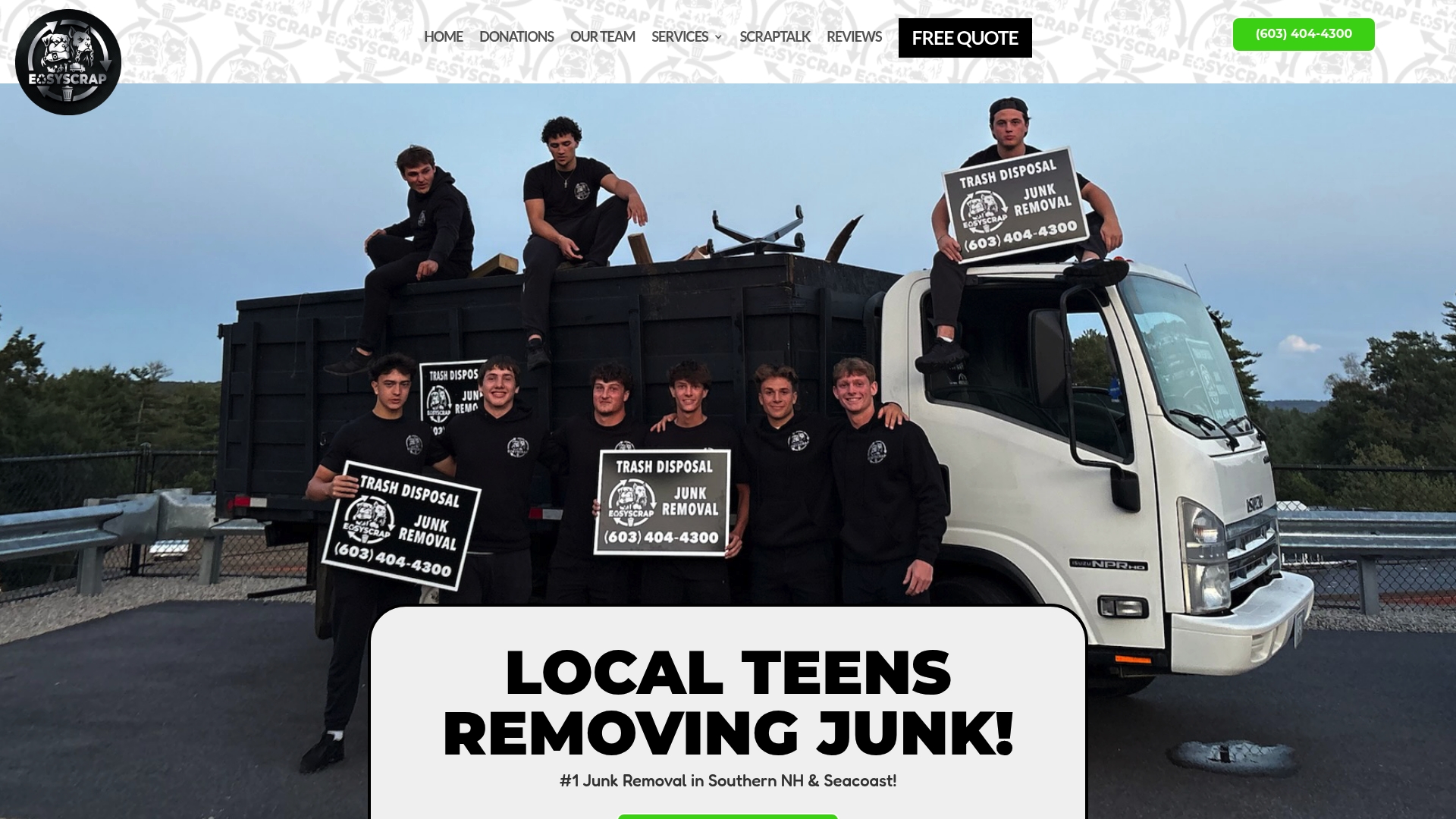
Sending photos gets the fastest, most accurate quote, since the crew can plan labor and truck space before arrival instead of guessing on-site. If a property was recently renovated, a drywall and painting prep guide is worth a look before the cleanout crew comes through, since construction debris often needs separate handling.
Request an itemized estimate, confirm insurance is listed on it, and book your junk removal slot around your showing schedule so the property is ready when buyers walk through.
Sources
- Household Hazardous Waste (HHW) | US EPA
- 2025 Profile of Home Staging (NAR)
- Update of Property and Preservation (P&P) Requirements and Cost Reimbursement Procedures | HUD
FAQ
What is the minimum cost for junk removal?
Minimum costs depend mainly on volume, labor, and local disposal fees, and pricing is available on request rather than published as a flat rate. Ask for an itemized quote based on photos so the estimate reflects your specific job before you book.
What is the average price for junk removal?
Average pricing shifts with truckload size, access difficulty, and whether heavy or hazardous items are involved, so there is no single published rate that applies everywhere. Requesting a photo-based quote is the most reliable way to get a number that matches your actual job.
What's included in a $99 junk removal service?
A price point around one hundred dollars typically covers a small load, such as a single item or a partial truckload, and often excludes heavy items, hazardous materials, or full-property cleanouts. Always confirm what counts as an add-on before booking, since larger volumes usually push the price beyond that entry point.
How do I get an accurate junk removal quote quickly?
Sending 5 to 8 clear photos covering the exterior, main rooms, and any bulky items usually gets the fastest and most accurate quote, since the crew can plan labor and truck space in advance. Flagging anything hazardous, like paint or batteries, in that same message helps avoid pricing surprises on the day of the job.