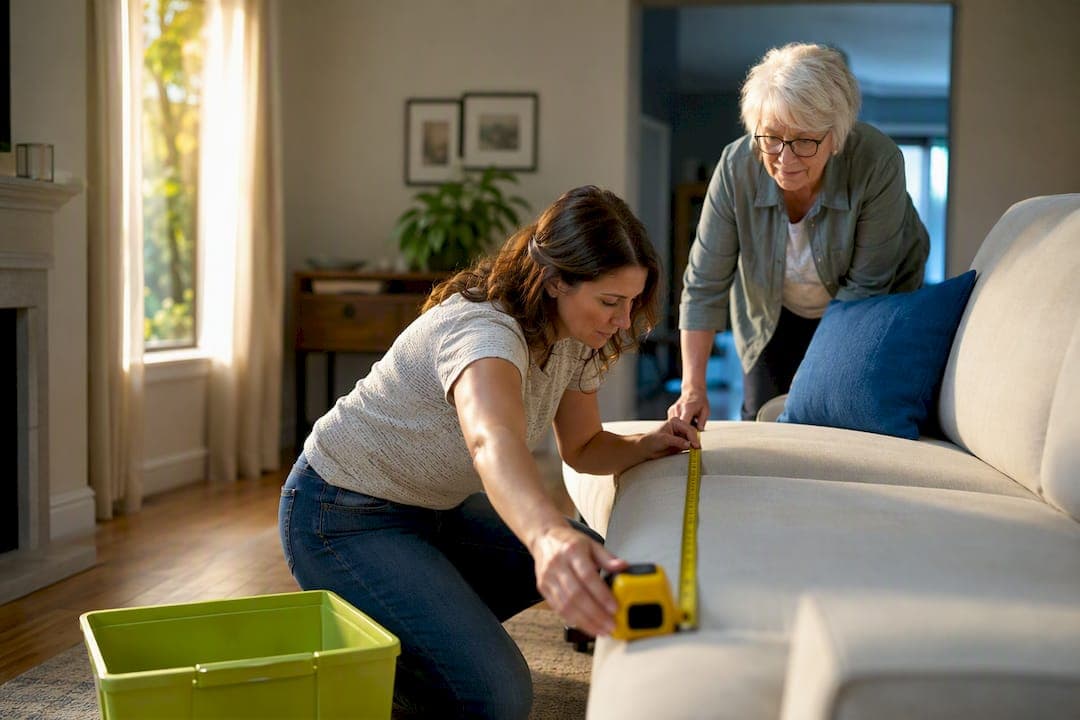
Start your plan now: pin down the floor plan of the new place, set a realistic 8 to 12 week timeline, and sort every item into one of four buckets — Keep, Gift or Sell, Donate, Toss. Measure the new space and list your big furniture pieces first, then recruit help before you touch a single closet. Those two moves prevent most of the regret families report after a rushed move.
TL;DR:
- Starting early allows for precise measurements, thorough sorting, and professional scheduling, reducing the risk of last-minute mistakes and emotional overwhelm.
- Focus on decluttering low-attachment spaces like garages and attics first to gain momentum and confidence before tackling emotionally charged rooms.
- Secure critical documents such as wills, deeds, and insurance policies in a portable safe and scan digital copies before moving day.
- Match disposal methods to item value by donating in good condition, selling valuable pieces, and hiring junk removal for unresaleable clutter.
- Build a support team early, assigning specific roles to family members or professionals to streamline decisions and prevent decision fatigue.
- ✓Furniture removal
- ✓Appliance removal
- ✓Garage cleanout service
- ✓Basement cleanout service
Table of Contents
- Senior Downsizing Checklist: A Week-by-Week Plan
- Room-by-Room Downsizing Checklist for Older Adults
- What Paperwork Should You Secure Before You Move?
- Should You Donate, Sell, or Just Haul It Away?
- When Should You Hire a Senior Move Manager or Cleanout Crew?
- Packing Tips and a Moving-Day Checklist for Seniors
- Settling In: Safety and Setup for the First Few Days
- How Do You Prepare Emotionally for Downsizing?
- How Should Family Members and Caregivers Get Involved?
- What's the Best Way to Handle Photos and Keepsakes?
- Notes From the Cleanout Crew
- Let EasyScrap Handle the Heavy Lifting
- Sources
Senior Downsizing Checklist: A Week-by-Week Plan
A senior move rarely goes well when it's compressed into a weekend. Give yourself 8 to 12 weeks whenever possible, since emotional decisions and decades of accumulated belongings both take longer to process than a standard move. Here's how to break that window into stages that actually move the project forward instead of stalling it.
12+ weeks out:
- Get exact measurements of the new home, including doorways, closets, and stairwells.
- Walk through the current home and list every big-ticket item (sofas, dining sets, pianos, appliances) that needs a keep or sell decision.
- Recruit your moving team now, whether that's family, a Senior Move Manager, or a mix of both.
- If you own valuable antiques, art, or collectibles, schedule an appraiser before anything gets boxed or given away.
8 to 6 weeks out:
- Sort room by room using the four-category rule, starting with the lowest-emotion spaces.
- Photograph and inventory sentimental or high-value items before they leave the house.
- Schedule donation pickups for furniture and household goods you won't be selling.
- Begin packing anything you're keeping but won't need before the move.
4 to 2 weeks out:
- Confirm your moving company or hauler in writing, including the date, arrival window, and crew size.
- Reserve building elevators or loading docks if you're moving into a condo or senior community.
- Run your estate sale or list remaining big items for sale.
- Pack every nonessential box and label it by room.
Week of the move:
- Pack a personal bag with medications, documents, and daily essentials that travels with the senior, not the truck.
- Confirm the crew, the route, and arrival time the day before.
- Have one family member supervise loading and unloading so nothing gets lost in the shuffle.
- Do a final walkthrough of every closet, drawer, and cabinet before locking up.
The Family Caregiver Alliance's downsizing checklist follows this same sequence, planning, sorting, paperwork, packing, settling in, because skipping a stage almost always creates a bottleneck later.
Room-by-Room Downsizing Checklist for Older Adults
Decision fatigue is the real enemy in a downsized, not the boxes. Breaking the house into rooms with their own simple rules keeps momentum going and stops one emotional drawer from derailing the whole afternoon.
Kitchen. Keep what you use weekly. Toss expired spices, cracked containers, and duplicate gadgets without a second thought. If heirloom dishware is heading to a relative or a donation bin, photograph it first so the memory survives even if the object doesn't.
Bedroom. Apply the one-box rule: each person gets a single defined box for sentimental keepsakes, no exceptions. Sort clothing by season and condition, and separate anything sentimental (a wedding dress, a uniform) into its own labeled space so it doesn't get mixed in with the giveaway pile.
Living and dining rooms. Measure your sofa, dining table, and bookshelves against the new floor plan before deciding anything. A grand piano that filled a family room for 30 years may simply not fit a two-bedroom apartment, and knowing that early avoids a costly moving-day surprise. Photograph large furniture pieces before selling them if they carry family history.
Home office. This is where critical paperwork lives, so it deserves early attention rather than a last-minute scramble. Locate wills, deeds, and financial records now, secure them, and start digitizing anything that doesn't need to travel as a paper original.
Garage, attic, basement. If you're struggling to build momentum, start here instead of the bedroom. These low-attachment, high-volume spaces sort quickly and give you an early win. Check for hazardous materials like old paint, propane tanks, or fluorescent bulbs and schedule proper disposal pickups rather than tossing them curbside. A basement cleanout service can clear decades of accumulation in a single visit once the keep pile is set aside.
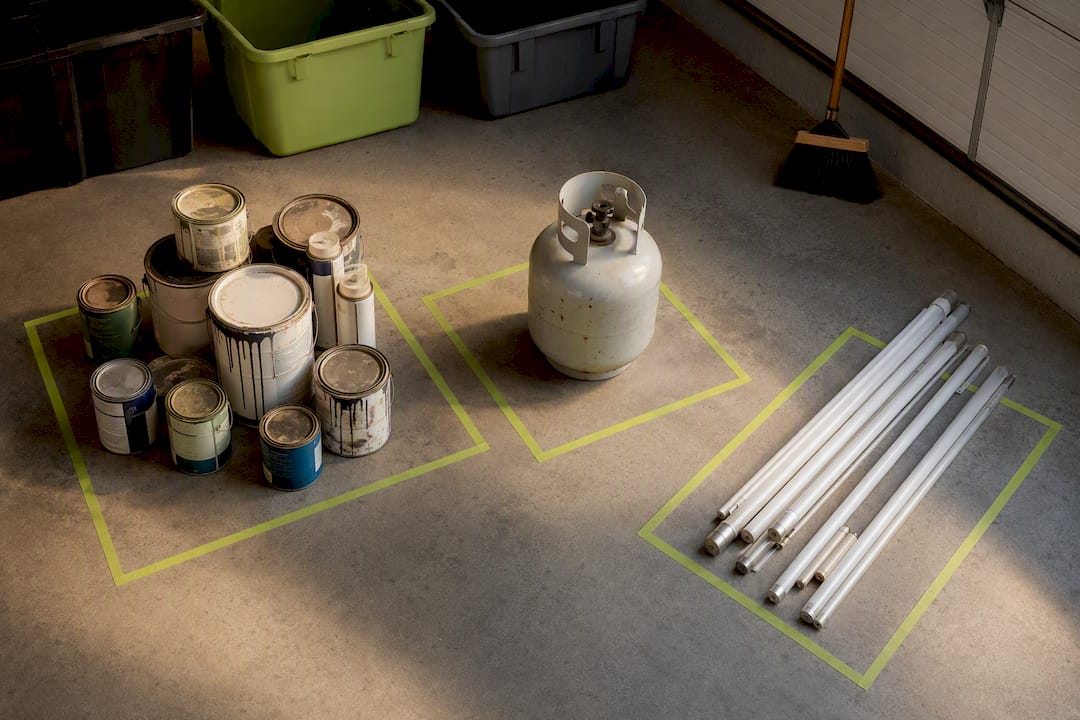
Pro Tip: Do the garage or attic before the bedroom. You'll build sorting confidence on low-stakes items before you tackle anything tied to memory.
What Paperwork Should You Secure Before You Move?
Locate these documents early, since losing track of even one can delay closing on a new home or accessing care benefits after the move:
- Will, trust, and power of attorney documents
- Healthcare directive and any medical power of attorney
- Insurance policies (home, auto, life, long-term care)
- Social Security card, Medicare card, and passport
- Property deed and vehicle titles
Store originals in a personal bag or fireproof box that travels with the senior, never in a moving truck. Scan copies of everything and keep an encrypted digital backup in case originals are misplaced during the chaos of moving day. For anything you're unsure about shredding, the IRS generally recommends keeping tax records for at least three years, longer if you've claimed a loss or own property tied to future capital gains.
Should You Donate, Sell, or Just Haul It Away?
Not every item deserves the same exit strategy. Matching the right method to the right item saves both time and money.
- Donation works best for furniture, clothing, and housewares in good condition. Most charities need one to two weeks' lead time to schedule a pickup truck, so book early rather than the week of the move.
- Estate sales suit homes with a large volume of sellable items, but companies typically charge 30 to 50 percent commission and take several weeks to organize and run.
- Consignment or online marketplaces fit individual higher-value pieces, like a well-kept dresser or a name-brand appliance, but expect a slower sale timeline than a straight cash offer.
- Junk removal is the fastest, cheapest route for anything with no resale value: broken furniture, worn mattresses, old appliances. Many cleanout crews can arrive within one to three days depending on the season and job size.
- If items are going to multiple family members, photograph and log who received what. It heads off disputes months later when memories of "who said they wanted the china" get fuzzy.
When Should You Hire a Senior Move Manager or Cleanout Crew?
Bringing in professional help isn't a failure of planning. It's often the smartest use of a limited timeline.
- A Senior Move Manager coordinates sorting, packing, and logistics in one package, and it's worth the cost when family support is limited or the estate is complex. Membership with NASMM is the industry's standard credential, so ask any candidate whether they're certified before hiring.
- For movers, verify a USDOT number for any interstate move and always request a written binding estimate, never a verbal one.
- Appraisers typically charge a flat fee or a small commission on flagged items; get one scheduled before an estate sale, not after.
- For rooms full of low-value bulk (garage debris, old furniture, appliance graveyards), a junk removal service usually clears the space faster and cheaper than trying to sell piece by piece.
Reality check: estate sale commissions alone can eat a third to half of your proceeds. For items with little resale value, paying a flat haul-away fee often nets more than running a sale.
Packing Tips and a Moving-Day Checklist for Seniors
Moving day runs smoother when the logistics are decided in advance, not improvised on the spot.
- Color-code boxes by room and mark "open first" boxes clearly so essentials aren't buried under linens.
- Pack a personal essentials bag with medications, chargers, key documents, snacks, and a change of clothes. It stays with the senior, not the truck.
- Confirm elevator reservations, parking permits, and the exact route the day before, not the morning of.
- Keep the same crew from quote to delivery when possible; unfamiliar movers unloading heirloom furniture adds unnecessary risk.
- Designate one calm family member to stay with the senior throughout the day, away from the noise of loading and unloading.
- Inspect large items as they come off the truck and note any damage immediately, since most movers require claims filed within a short window after delivery.
Settling In: Safety and Setup for the First Few Days
The first 48 to 72 hours in a new home set the tone for how comfortable the transition feels.
- Set up the bedroom and bathroom first so there's a restful, functional space from night one.
- Secure loose rugs, widen walking paths, and move frequently used items to waist or shoulder height to cut fall risk.
- Unpack medical supplies immediately and confirm the new pharmacy and local health contacts are in place.
- Unpack one room at a time. Trying to finish everything in a day usually backfires and leaves the space feeling more chaotic, not less.
Pro Tip: Unpack the bathroom before the kitchen. A senior who can shower and take medication comfortably on night one adjusts faster than one staring at unpacked pots and pans.
How Do You Prepare Emotionally for Downsizing?
Letting go of a house full of decades of memory is genuinely hard, and pretending otherwise sets families up for friction. The house isn't just square footage. It's the room where kids grew up, the kitchen where holidays happened, the workshop where a hobby lived for 30 years. Acknowledging that upfront, rather than treating emotion as an obstacle to logistics, makes the whole process smoother.
Give yourself permission to grieve some decisions even when they're the right ones. Letting go of a dining table doesn't erase what happened around it. Decluttering also carries a documented mental-health upside: people who work through the process report reduced stress and a stronger sense of control once the sorting is done, even when the sorting itself felt hard in the moment.
Pace matters more than speed here. A senior sorting through 40 years of belongings in a single afternoon will hit decision fatigue fast, and every choice after that point gets worse. Break sorting sessions into 60 to 90 minute blocks with real breaks in between. If a particular box or closet triggers a strong reaction, set it aside and come back to it later rather than forcing a decision under stress. The goal isn't speed. It's making choices you won't regret in six months.
How Should Family Members and Caregivers Get Involved?
The best downsizing projects split labor by strength, not by who happens to be free that weekend. One adult child might be great at logistics and vendor calls; another might be better suited to sitting with mom and going through photo albums without rushing her. Assign roles early so nobody ends up doing everything, and nobody feels shut out of a decision that matters to them.
Avoid making decisions about sentimental items without the senior in the room, even when time is tight. A well-meaning family member who donates a box "to save time" while a parent is out of the house often causes more damage to trust than the time saved is worth. If disagreements are likely, over an antique, a car, a piece of jewelry, decide the process for resolving them before sorting starts, not in the middle of an argument over a kitchen table.
Caregivers juggling their own households should build in backup. If you're the only child managing the process, loop in a Senior Move Manager or a trusted family friend for the physically demanding days rather than trying to do it solo. The Family Caregiver Alliance's checklist is built specifically for this dynamic and worth reading before the first sorting session, not after.
What's the Best Way to Handle Photos and Keepsakes?
Sentimental items cause more stalled downsizing projects than anything else in the house, so give them a specific plan instead of leaving them for "later."
Scan old photographs in batches using a flatbed scanner or a phone app designed for photo digitization, and back the files up in at least two places, a cloud drive and an external hard drive. Boxes of loose photos take longer to scan than people expect, so start this task early rather than in the final week.

For keepsakes too bulky to keep (a child's furniture, a full set of holiday decorations), photograph them before they leave the house. A photo takes thirty seconds and preserves the memory just as well as the object in most cases, without taking up a closet in the new place. Create a shared digital album family members can access, so the memory stays available to everyone even after the physical item is gone.
Limit truly sentimental physical keepsakes to the one-box rule mentioned earlier. It forces a hierarchy of what matters most, which is a kinder outcome than trying to keep everything and running out of room anyway.
Notes From the Cleanout Crew
Rooms that are pre sorted move faster on cleanout day. Clear walkways and group items by destination, keep, donate, haul, before the truck arrives, and a two-hour job can shrink to one. A typical crew hauls what's staged for removal, sets aside anything marked for donation, and recycles metal, electronics, and appliances whenever the material allows it. A short decluttering session the week before, even just flagging the "definitely going" pile, consistently cuts both time on-site and the final invoice.
— Easy
Let EasyScrap Handle the Heavy Lifting
Once the sorting is done, someone still has to haul the leftovers out the door, and that's usually the part families dread most. Our local crew handles the furniture, mattresses, and appliances you're not keeping, so nobody in the family is lifting a dresser down a flight of stairs. Donation and recycling are prioritized on every job, which matters if part of your goal is an eco-conscious cleanout rather than a straight trip to the landfill.

Whether it's a single furniture removal pickup or a full basement cleanout, we serve Lawrence, Andover, Boston, Lowell, and Haverhill with free quotes and flexible scheduling, often within the same week you call. Get a free quote for junk removal and pick a date that fits your moving timeline.
Sources
- NASMM education and certification
- Downsizing a Home: A Checklist for Caregivers
- How to Move a Senior: Downsizing & Relocation Guide
- The mental benefits of decluttering
- Downsizing Checklist for Seniors: A Room-by-Room Guide - Modern Aging