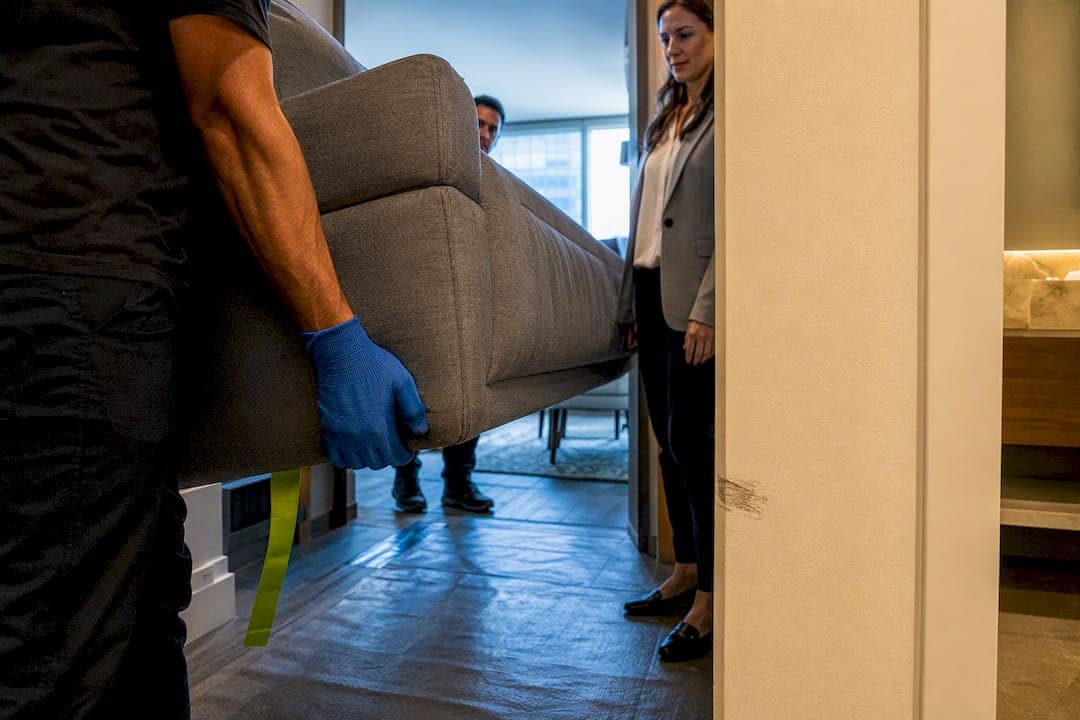
Yes. Hiring an insured junk removal company protects you from paying out of pocket for property damage and shields you from liability if a worker gets hurt on your property. The main insured junk removal benefits are financial, not cosmetic: a torn-up hardwood floor, a cracked stair rail, or an injured crew member becomes the company's problem to fix, not yours. That protection is what turns a one-day cleanout into a routine service instead of a gamble.
TL;DR:
- Insurance coverage adds critical protection by covering property damage and injuries, preventing homeowners from paying out of pocket if accidents occur.
- Verifying insurance requires requesting a current Certificate of Insurance that lists at least $1 million coverage and includes general liability, workers' compensation, and auto insurance.
- Insurance costs are built into higher quotes, which are generally justified by the reduced risk of property damage or worker injury liabilities.
- Property managers should demand a COI with additional insured endorsement and proof of minimum coverage before authorizing work on their sites.
- Proper site preparation, such as clearing pathways and documenting conditions beforehand, helps minimize damage risk and speeds up claim resolution if needed.
Table of Contents
- What Insured Junk Removal Actually Gets You
- How Do You Verify a Company Is Actually Insured?
- Is Paying More for an Insured Crew Worth It?
- What Should Property Managers Require From a Vendor?
- How to Prep the Site Before the Crew Shows Up
- Why We Treat Insurance as Non-Negotiable, Not a Perk
- Ready for an Insured Crew? Here's How to Book One
- Sources
- FAQ
What Insured Junk Removal Actually Gets You
The value of insurance shows up the moment something goes wrong, which is exactly when you don't want to be arguing about who pays.
General liability coverage handles property damage. If a crew member scrapes a wall carrying out a couch, cracks a tile hauling a washer down basement stairs, or dents a driveway backing up a truck, the company's policy pays for repairs. Without that coverage, you're the one calling a contractor and eating the bill, even though you didn't cause the damage.
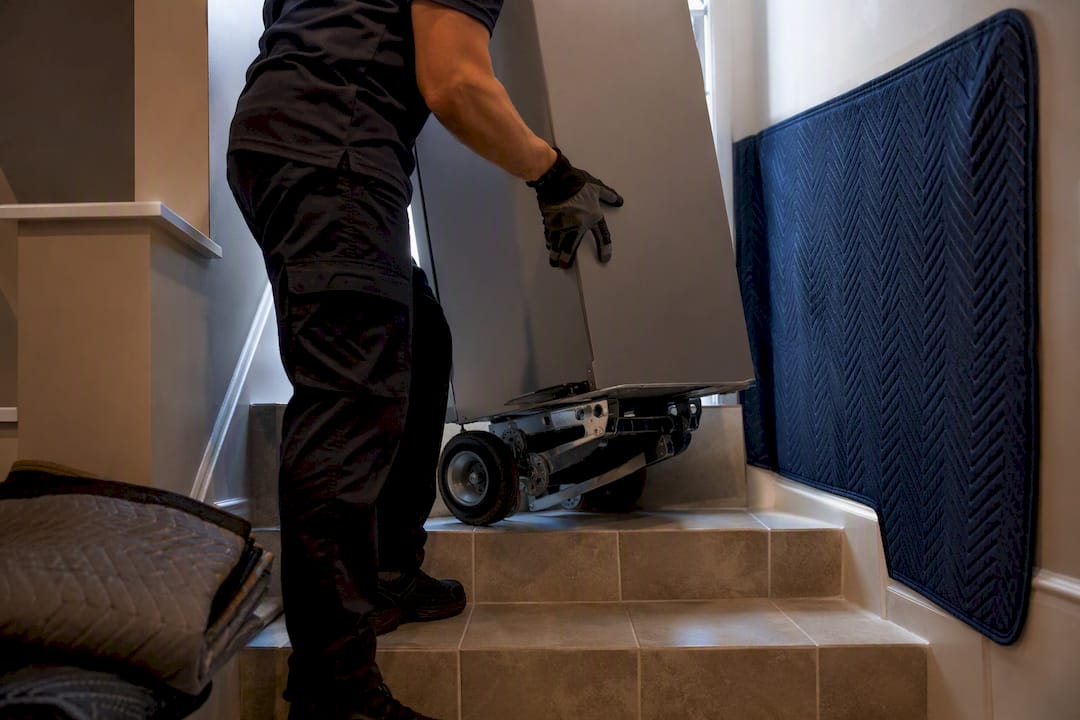
Workers' compensation covers the other major risk: injury. If someone on the crew twists a knee or worse while removing a refrigerator, workers' comp pays their medical bills. Without it, an injured worker can sue the property owner directly, since there's no insurance buffer standing between the accident and your bank account.
Beyond the financial protection, insured companies tend to deliver a cleaner overall experience:
- Faster, documented claims handling if something does go wrong, instead of a drawn-out he-said-she-said dispute
- Legal, traceable disposal and donation practices that keep you out of regulatory trouble for illegal dumping
- Trained crews who know how to move heavy, awkward items without gouging floors or walls
- Actual paperwork (contracts, receipts, insurance documentation) instead of a cash handshake
Industry sources point to general liability and workers' compensation coverage as the two pillars that shift risk away from the homeowner and onto the company. A crew that carries both isn't just being cautious. It's operating like a real business, which tends to correlate with better equipment, better training, and fewer surprises on removal day.
How Do You Verify a Company Is Actually Insured?
Anyone can claim to be insured over the phone. The only way to know for sure is to ask for proof and actually read it.
- Request a Certificate of Insurance (COI). This document lists the insurance carrier, policy number, coverage types, and effective and expiration dates. A legitimate company can produce one within minutes, often by email.
- Check the general liability limit. Look for coverage around $1 million per occurrence, which several industry sources cite as a common benchmark for professional junk removal providers. Anything far below that is worth questioning.
- Confirm workers' compensation and commercial auto are listed. General liability alone doesn't cover an injured worker or an accident involving the company's truck. All three should appear on a complete COI.
- Ask for an additional-insured endorsement if you're a business or property manager. This adds your entity to the policy for the duration of the job, which many commercial leases and management agreements require.
- Watch for red flags. Vague answers, reluctance to send a dated document, or a COI that lists an expired policy all signal you should keep looking.
Pro Tip: Save the COI in your files the same day you receive it, before the job even starts. If a dispute comes up weeks later, you'll want the carrier name and policy number on hand instead of chasing down the company for paperwork after the fact.
Is Paying More for an Insured Crew Worth It?
Insured companies almost always charge more than a guy with a pickup truck and a Craigslist ad. That price difference comes from real costs: insurance premiums, workers' comp payments, licensing, and proper disposal fees all get baked into the quote.
The math usually favors paying more upfront. A small savings on the initial quote can turn into a much larger bill if an uninsured hauler damages your property or gets hurt on the job, since you have no policy to fall back on and may end up covering repairs or a medical claim yourself.
Some jobs carry more risk than others, and that's where insurance earns its keep fastest:
- Heavy appliance removal (refrigerators, washers, dryers) where drops and scrapes are common
- Multi-story homes or apartment buildings with stairs, tight hallways, or elevators
- Commercial properties where liability exposure is higher and often contractually required
When comparing quotes, treat insurance verification as a line item, not an afterthought. A slightly cheaper quote from an uninsured operator isn't actually cheaper once you price in the risk. Service models matter too. Companies that only do curbside pickup carry less interior-damage risk than full-service crews who walk through your home, which is one more reason full-service insured providers deserve a closer look at their coverage.
What Should Property Managers Require From a Vendor?
Property managers and landlords deal with a different level of exposure than a homeowner clearing out a garage. Tenant safety, shared common areas, and lease liability all raise the stakes, which is why most management companies build insurance verification into their vendor approval process.
Standard requirements typically include:
- A current Certificate of Insurance on file before any crew sets foot on the property
- An additional-insured endorsement naming the management company or ownership entity, which speeds procurement approval compared to chasing paperwork after the fact
- Confirmation of general liability at or above the $1 million benchmark, plus workers' comp and commercial auto
EasyScrap keeps this simple for managers by maintaining $1 million in coverage and supplying COIs on request, which cuts down the back-and-forth that slows vendor approval. For scheduled work across multiple units or buildings, EasyScrap can typically turn around jobs within a 3 to 5 business day window, which fits most turnover timelines. Work orders should spell out COI delivery, coverage minimums, and who's listed as additional insured before the crew arrives.
How to Prep the Site Before the Crew Shows Up
A little prep work on your end lowers the odds of damage and makes any claim faster to resolve if something does happen.
-
Clear pathways and staging areas so the crew isn't squeezing furniture past clutter or fragile decor.
-
Secure pets in another room and protect vulnerable surfaces like hardwood floors or stair rails with cloths or cardboard.
-
Take photos of the items being removed and the surrounding walls, floors, and doorways before work begins, giving you a timestamped record.
-
Keep the vendor's COI and a direct contact number handy, and get a written receipt or item manifest once the job wraps.
-
If you're in a building with an elevator or reserved parking, coordinate access with management ahead of time.
A preparation checklist can help you walk through these steps room by room, especially for larger cleanouts where more surfaces and items are at stake.
Why We Treat Insurance as Non-Negotiable, Not a Perk
Coverage isn't a marketing line for us. It's the difference between a customer eating a repair bill and a claim getting handled without a fight. A documented COI can turn a "who's responsible" conversation into a quick resolution, because the paperwork answers the question.
— Easy
Ready for an Insured Crew? Here's How to Book One
You've seen what insurance protects against and how to verify it. EasyScrap builds that protection into every job by default, so you're not stuck negotiating coverage after you've already booked. Quotes are free, and same-day removal is available for furniture, appliances, garage cleanouts, and basement cleanouts.
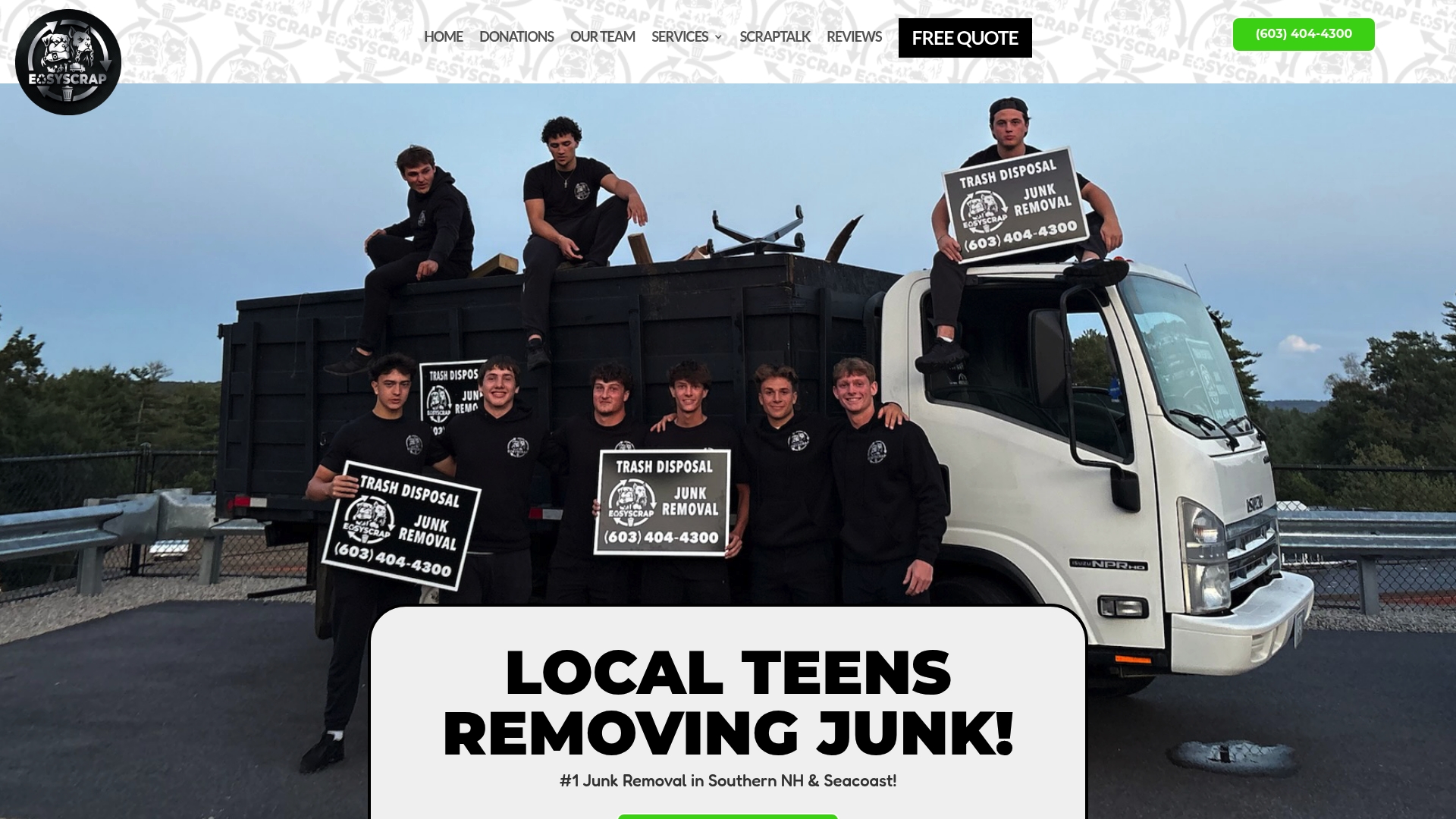
Property managers get the same standard treatment: $1 million in coverage and a Certificate of Insurance on request, with scheduled jobs typically completed within 3 to 5 business days. If you're coordinating a move alongside a cleanout, a moving and packing partner can help handle the logistics on the other end while EasyScrap handles what's staying behind.
Ready to see it in action? Request a free quote and ask for a COI if you need one for your building or business. No obligation, no pressure, just a documented answer before the crew ever shows up.
FAQ
What Does Junk Removal Insurance Actually Cover?
It typically covers property damage through general liability and worker injuries through workers' compensation, with commercial auto covering accidents involving the company's vehicles.
How Do I Know if a Junk Removal Company Is Insured?
Ask for a Certificate of Insurance showing the carrier name, policy number, coverage types, and current dates. A legitimate company will send one without hesitation.
Is $1 Million in Coverage Actually Standard?
It's a common benchmark for general liability per occurrence among professional providers.
Do Property Managers Need Anything Beyond a Basic COI?
Most require an additional-insured endorsement naming the management company or ownership entity, which adds them to the vendor's policy for that specific job.
Is Insured Junk Removal Worth the Extra Cost for a Small Job?
For low-risk jobs like a single piece of furniture, the risk is lower, but for heavy appliances, multi-story homes, or commercial properties, insured crews are worth the premium.