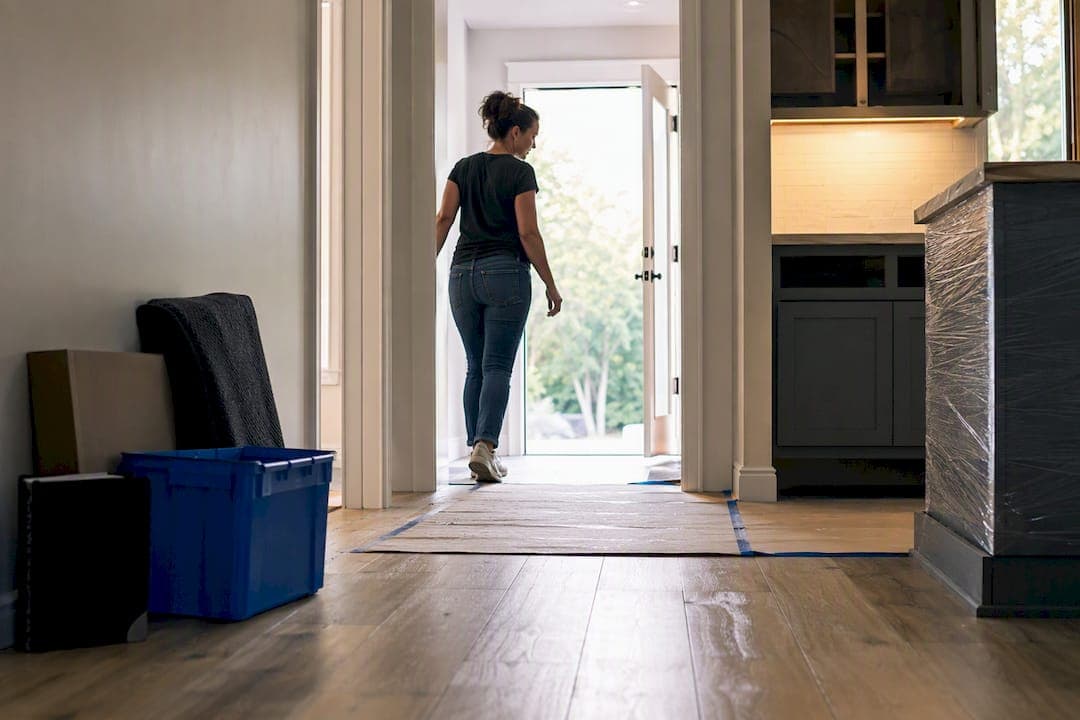
Treat a pre-renovation cleanout as a short, task-based project: inspect, sort, secure hazards, clear access, then remove or schedule removal. Walk the site first, screen for hazardous materials, sort everything into keep, donate, recycle, and debris streams, and clear the path contractors will actually use. Professional hauling crews can handle the removal step the same day if you'd rather skip the truck rental.
TL;DR:
- Sorting donation items separately from debris reduces the risk of unusable materials being discarded and speeds up the cleanup process.
- Conduct a full walkthrough of hallways, stairs, and driveways at least one week before the renovation to identify access issues or hazards.
- Handling hazardous waste like paint, batteries, and pesticides separately from regular trash is essential to comply with EPA rules and ensure safety.
- Professional cleanout crews are recommended for large spaces, hazardous materials, or tight schedules to save time and prevent mistakes.
- Starting the cleanout process one to two weeks before renovation allows ample time for sorting, hazardous waste disposal, and logistics coordination.
Table of Contents
- What Should Be On Your Pre Renovation Cleanout Checklist?
- How Long Does a Pre Renovation Cleanout Take?
- What Counts as Hazardous Waste Before a Renovation?
- How Do You Handle Donation, Recycling, and Hauling Logistics?
- When Should You Hire a Professional Cleanout Crew?
- What Actually Slows Down a Cleanout (And What Doesn't)
- Ready to Clear the Space Before Your Renovation Starts?
- Where to Verify the Rules Yourself
- Sources
- FAQ
What Should Be On Your Pre Renovation Cleanout Checklist?
A good pre-renovation cleanout checklist starts with your feet, not your hands. Walk the entire path a crew or dumpster will use, not just the room getting renovated.
1. Walk the full route. Check hallways, stairs, porches, and the driveway loading zone. A hallway that's two inches too narrow for a mattress, or a porch step that's cracked, causes real delays once workers start hauling material in and out.
2. Set up sorting zones. Label separate areas or bins for:
- Keep (stays in the home, gets moved elsewhere during the job)
- Relocate (temporary storage, garage, pod, or a family member's spare room)
- Donate (usable furniture, appliances, fixtures)
- Recycle (metal, cardboard, clean wood)
- Discard (regular household trash)
- Contractor debris (drywall, old cabinetry, flooring the crew will remove)
Mixing these streams is the single most common cause of slow cleanouts. A hauler can't quickly grab donation-worthy furniture if it's buried under a pile headed for the landfill.
3. Protect what matters. Photograph any finish samples, permits, or paint chips you'll need later, then store them in one labeled container outside the work zone. Seal HVAC vents near the renovation area and lay down protective flooring covers before anyone starts demolition.
4. Screen for hazards immediately. Walk through and flag paints, solvents, propane cylinders, old batteries, and pesticides before you touch anything else. These need a different disposal path than your regular trash, and figuring that out on cleanout day slows everything down.
Pro Tip: Take a "before" photo of every hallway, doorway, and staircase you expect workers to use. If a door frame gets scuffed or a stair rail loosens during the job, you'll have proof of the original condition.
How Long Does a Pre Renovation Cleanout Take?
Most single-room or basement cleanouts fit inside a one to two week window if you start early. Bigger whole-house jobs need closer to two weeks. Here's a realistic breakdown.
- Days 1 to 2: Inspection and hazard screen. Walk every room going under renovation. If your home was built before 1978, assume lead paint is present until proven otherwise, and notify your contractor now so they can plan containment.
- Days 3 to 5: Sorting and staging. Set a daily goal, one room or zone per day, and move items into your labeled streams. Rushing this step is what causes donation items to end up in the debris pile.
- Days 5 to 8: Donation and recycling logistics. Many community household hazardous waste (HHW) collection events run on a monthly or quarterly schedule, so check your town's calendar early. If you miss the window, look for a year-round drop-off site instead.
- Days 8 to 10: Removal. Book same-day hauling or a scheduled junk removal appointment once sorting is done, or make transfer-station runs yourself if the volume is small.
- Days 10 to 14: Contractor walkthrough. Confirm access routes are clear, protective coverings are in place, and any lead-safety containment is set up before the first day of work.
Coordinating responsibilities matters as much as the schedule. Homeowners typically handle sorting, donation, and hazardous item disposal, while contractors handle demolition debris and structural removal. Confirm that division in writing during your pre-job walkthrough so nobody assumes the other side is covering it.
What Counts as Hazardous Waste Before a Renovation?
Not everything in your garage belongs in a regular trash bag. The Environmental Protection Agency classifies paints, cleaners, oils, batteries, pesticides, and compressed-gas cylinders as household hazardous waste, and warns against pouring them down drains or into storm sewers.
Common items that need separate handling:
- Leftover paint and paint thinner
- Motor oil and automotive fluids
- Pesticides and lawn chemicals
- Propane cylinders and other compressed gas
- Old batteries, including car batteries
- Fluorescent bulbs
If your home predates 1978, lead paint is the bigger issue. EPA's Renovate Right and RRP requirements call for pre-renovation education, work-area containment, a list of prohibited practices (like dry sanding or open flame burning of painted surfaces), and a cleaning verification process once work wraps up. Federally-assisted housing projects may require formal clearance testing on top of that.
One number worth remembering: roughly one in three homes in the United States was built before 1978, according to EPA's own housing age estimates tied to the lead paint ban, which is why the agency treats pre-1978 construction as the default trigger for lead-safe work practices rather than an edge case.
Practically, that means disclosing suspected lead to your contractor before demolition starts, setting up plastic sheeting and containment barriers, and confirming whether your project needs a certified renovator on site. Skipping this step isn't just a compliance risk. It's a health risk for anyone in the house during and after the work.

How Do You Handle Donation, Recycling, and Hauling Logistics?
Getting rid of items efficiently comes down to preparation, not muscle. Separate donation candidates early and keep them visibly labeled so nothing gets tossed by mistake, since mixed piles routinely destroy usable furniture and appliances before anyone gets the chance to donate them.
For hazardous items, check whether your community runs an HHW collection program or a one-day drop-off event. If your area doesn't have one, some auto shops and transfer stations accept specific items like batteries or motor oil for recycling.
When it comes to actually clearing the space:
- DIY transfer-station runs work fine for small loads and light debris.
- Scheduled junk removal fits larger cleanouts where you need a crew and a truck, but not urgently.
- Same-day hauling makes sense when your renovation start date is fixed and you're short on time.
Pro Tip: Before booking a hauler, tell them upfront about any hazardous items, heavy appliances, narrow stairwells, or streets requiring parking permits. Undisclosed hazardous materials found at pickup time are one of the most common reasons a load gets delayed or refused.
When Should You Hire a Professional Cleanout Crew?
DIY works fine for a single closet or small storage area. Once you're dealing with a whole basement, garage, or suspected lead paint, professional help starts paying for itself in saved time and avoided mistakes.
Hire a crew when you see these signs:
- The volume exceeds what fits in your vehicle in one or two trips
- Heavy items like appliances, furniture, or a hot tub need safe removal
- You suspect lead paint, asbestos, or other hazardous materials
- Your renovation start date is fixed and you're running out of time
A professional crew brings insured labor, existing donation and recycling channels, and same-day or scheduled pickup that skips the transfer-station line entirely. Before requesting a quote, have photos of the items, a rough inventory, notes on stairs or tight access, and a clear disclosure of anything hazardous ready to go.
What Actually Slows Down a Cleanout (And What Doesn't)
Most delays trace back to three habits: mixing donation items with trash, blocking the exact route a crew needs to use, and not mentioning hazardous leftovers until pickup day. Each one is avoidable with fifteen minutes of planning.
A basement cleanout that's sorted and staged in advance typically wraps in three to six hours with a crew. One that isn't sorted can stretch into a second visit. The renovation-cleanup workflows we've covered on the EasyScrap blog reflect that pattern consistently: preparation time upfront buys back hours on removal day.
— Easy
Ready to Clear the Space Before Your Renovation Starts?
Once your sorting is done, the fastest way to close out a pre-renovation cleanout is to skip the truck rental and book a crew that already knows the drill. EasyScrap handles junk removal, appliance removal, and both garage and basement cleanouts, which covers most of what comes up before a remodel starts.

To get an accurate quote, have a few photos of the space, a rough item list, and notes on access, stairs, narrow hallways, or parking restrictions ready before you call. If you've got hazardous leftovers like paint or propane tanks, mention them upfront so there are no surprises on pickup day. The service covers multiple local areas with same-day options when your timeline is tight, and the crew is insured and donates or recycles whenever possible. Request your free quote and get a date on the calendar before your contractor's start date arrives.
Where to Verify the Rules Yourself
For hazardous waste disposal rules, check EPA's household hazardous waste and demolition guidance. For lead-safety steps in older homes, review the Renovate Right booklet. Local HHW collection schedules vary by town, so confirm dates through your municipality before planning around them.
FAQ
What Is a Pre Renovation Cleanout?
A pre-renovation cleanout is the process of clearing, sorting, and securing a space before construction begins, including screening for hazardous materials and clearing access routes. It covers everything from decluttering rooms to identifying items that need special disposal, like old paint or batteries.
How Far in Advance Should I Start My Renovation Cleanup Checklist?
Start one to two weeks before your renovation date, depending on the size of the job. Small single-room projects can be cleared in a few days, while whole-house cleanouts benefit from the full two-week window to handle sorting, donation logistics, and hazardous waste disposal.
Do I Need to Test for Lead Before Renovating?
If your home was built before 1978, EPA guidance recommends assuming lead paint is present unless testing proves otherwise. Renovate Right requirements call for containment, education, and cleaning verification before and after the work, and some funded projects require certified clearance testing.
Can I Throw Old Paint and Batteries in Regular Trash?
No. EPA classifies paint, batteries, pesticides, and similar items as household hazardous waste, and pouring or tossing them with regular trash isn't safe. Check for a local HHW collection event or drop-off site before disposing of them.
How Much Does EasyScrap Charge for a Pre Renovation Cleanout?
EasyScrap doesn't publish flat rates online since pricing depends on volume, access, and item type. You can get an exact number through a free quote by sharing photos and a rough item list before your renovation date.