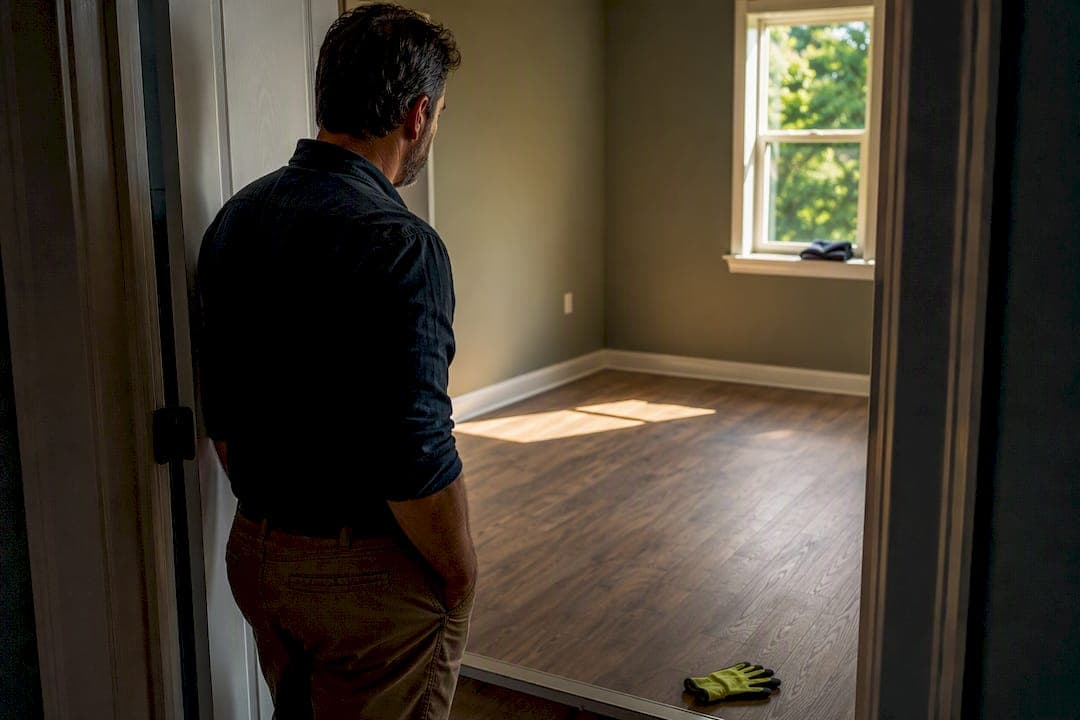
The fastest way to turn a vacated unit is simple: document condition with timestamped photos, send any required abandoned-property notice with proof of delivery, and book junk removal the same week so cleaning and repairs can start without waiting. Every day cleanout gets delayed is a day of rent you're not collecting.
TL;DR:
- Scheduling junk removal before the tenant’s last day can significantly reduce vacancy time and streamline the turnover process.
- Document move-out inspections with timestamped photos and videos, focusing on each room's condition to support deposit disputes if needed.
- Check local laws for abandoned property notice periods before disposing of belongings, and keep proof of delivery to avoid legal issues.
- Discard refrigerants and hazardous appliances through EPA-compliant channels, as they cannot be disposed of with regular trash.
- Booking professional junk removal early helps avoid delays in cleaning, repairs, and listing the unit for rent again.
- ✓Furniture removal
- ✓Appliance removal
- ✓Garage cleanout service
- ✓Basement cleanout service
Table of Contents
- What Should Be in a Landlord Cleanout Checklist Before Move-Out?
- How Do You Document a Rental Unit on Move-Out Day?
- What Are the Legal Steps for Abandoned Tenant Property?
- How Should Landlords Sort and Dispose of Leftover Items?
- What Comes After Cleanout: Cleaning, Repairs, and Security?
- How Long Does a Rental Property Turnover Take?
- What Documentation Do You Need for Deposit Deductions?
- An Operational Take From EasyScrap's Crews
- Book EasyScrap for a Faster, Cleaner Turnover
- Sources
- FAQ
What Should Be in a Landlord Cleanout Checklist Before Move-Out?
The best turnovers start before the tenant even hands back the keys. Send written move-out expectations at least two weeks ahead, spelling out cleaning standards, what items must be removed, and how to return keys, fobs, and garage remotes.
A pre-move-out walkthrough catches problems while there's still time to fix them. Offering tenants a chance to patch a wall hole or clean a stove themselves often saves you money and saves them a deposit deduction.
- Send a written notice covering cleaning standards, trash removal expectations, and key return instructions
- Schedule a walkthrough 1 to 2 weeks before the lease ends
- Reserve junk-removal and deep-cleaning appointments in advance, especially during peak moving months
- Pull your move-in photos and inspection form so you have a side-by-side baseline ready
Pro Tip: Book your junk removal crew before the tenant's last day, not after. Property managers who lock in a slot ahead of time routinely shave days off the vacancy clock because cleaners and contractors aren't waiting on a dumpster's worth of debris to disappear first.
How Do You Document a Rental Unit on Move-Out Day?
Walk the unit with your phone out and your inspection form in hand. A room-by-room pass, backed by timestamped photos, is your strongest evidence if a deposit dispute ever lands in small claims court.
- Kitchen — Check inside every appliance, wipe down cabinets and counters, and note any food or trash left in the fridge or freezer.
- Bathrooms — Look at grout, caulk lines, fixtures, and exhaust fans; photograph mold, staining, or cracked tile.
- Living rooms and bedrooms — Inspect walls, flooring, window coverings, and closets; photograph every scuff, hole, or stain you'll reference later.
- Exterior, garage, and storage — Clear remaining items, note structural or cosmetic damage, and collect all keys, fobs, and remotes before the tenant leaves.
Shoot a short video walkthrough in addition to still photos. Video captures context, like an odor source or a whole room's condition, that a single photo can miss.
What Are the Legal Steps for Abandoned Tenant Property?
Belongings left behind aren't automatically yours to toss. Most states require a written abandoned-property notice sent to the tenant's last known address, and you need proof it was delivered, whether that's a certified mail receipt or an electronic delivery confirmation.
Retrieval windows and value thresholds vary significantly by state, so check your local landlord-tenant statute before disposing of anything. Some jurisdictions give tenants 15 days to reclaim items; others allow longer windows for higher-value property.
- Send the notice immediately after move-out and keep proof of delivery on file
- Confirm your state's specific retrieval window and any dollar-value thresholds before disposal
- If you store items, log storage costs and keep itemized invoices in case you deduct them from the deposit
- Only schedule removal once the compliance window has closed
For a deeper walkthrough of this process, EasyScrap's guide on handling belongings left behind breaks down what counts as abandonment versus what still needs written notice.
How Should Landlords Sort and Dispose of Leftover Items?
Once the legal waiting period clears, sorting is where you either save money or waste it. Split everything into five piles: items the tenant still legally owns, donateable goods, recyclables, general trash, and hazardous materials that need special handling.
Old refrigerators, air conditioners, and dehumidifiers fall into that last category more often than landlords expect. The EPA warns that appliances containing refrigerants, mercury switches, or capacitors require specific disposal protocols to prevent environmental contamination, and they should never go out with general trash. Check how to handle air conditioner disposal before a unit ends up on the curb.
- Furniture and appliances still in decent shape often qualify for donation pickup — ask your removal crew if they offer it
- Recyclable materials (metal, cardboard, some electronics) can be diverted before they hit a landfill
- Refrigerants, mercury switches, and capacitors require EPA-compliant disposal, never curbside trash
- Ask about extra fees upfront for stairs, oversized items, or appliance disconnects
Donation receipts do double duty here. They reduce what you pay for disposal and give you paperwork worth keeping for your own records.
Quick fact: the EPA specifically flags refrigerant-containing appliances as requiring dedicated handling, not general disposal, which is why a standard trash hauler often won't (and legally shouldn't) take them.

What Comes After Cleanout: Cleaning, Repairs, and Security?
With the unit empty, sequencing matters more than most landlords realize. Bring in turnover cleaners who know the punch list cold: oven interiors, window tracks, baseboards, grout lines, the spots a standard cleaning misses.
Run repairs and cleaning at the same time whenever the layout allows it. Painters can patch and paint the bedroom while cleaners tackle the kitchen, cutting days off your total timeline instead of stacking tasks end to end.
- Decide carpet fate early: light stains often clean up professionally, but deep staining, odor, or worn pile usually means replacement is cheaper long term
- Change locks or rekey immediately, and reset any smart-lock codes before you list the unit
- Photograph the completed repairs for your own records before showings start
Pro Tip: Rekeying is cheap insurance. A locksmith visit costs far less than dealing with a security incident tied to a key you forgot was still floating around.
How Long Does a Rental Property Turnover Take?

A target of about one week from move-out to re-listing is aggressive and typically achievable only if junk removal was scheduled ahead of time. More commonly, turnover takes two to four weeks when cleanout, cleaning, and repairs are booked after the tenant leaves.
Ballpark budgets for a standard turnover include cleanout, deep cleaning, repairs, and rekeying. Costs vary widely based on location and damage, so exact estimates depend on the circumstances.
- Book cleanout and cleaning before the tenant's last day whenever your lease terms allow it
- If money's tight, prioritize in this order: safety and operational fixes first, then visible damage, then cosmetic upgrades
- Every day cleanout is delayed pushes back cleaning, repairs, and your listing date in a straight line
What Documentation Do You Need for Deposit Deductions?
Your deposit deduction letter is only as strong as the paperwork behind it. At minimum, you want timestamped photos, a clear move-in versus move-out comparison, and a signed inspection form if the tenant participated in one.
Every dollar you deduct needs a receipt to back it up.
- Request itemized digital receipts from your junk removal crew, cleaners, and any contractors
- Attach those receipts directly to your written deposit deduction statement
- Know your state's deadline for returning remaining deposit funds and don't miss it
- Keep digital copies of everything for at least a few years in case a dispute goes to small claims
An Operational Take From EasyScrap's Crews
Landlords who treat junk removal as a last-minute errand almost always pay for it in lost days. Book the crew before move-out when you run frequent turnovers; same-day service is often available if you plan ahead instead of scrambling.
Don't mix hazardous items into a general debris pile. Crews can refuse unsafe loads outright or tack on special-handling fees, and neither helps your timeline. Always ask for itemized receipts, since that paperwork is what actually holds up when a deposit deduction gets challenged.
— Easy
Book EasyScrap for a Faster, Cleaner Turnover
A reliable local junk removal service can turn the slowest part of a turnover, the cleanout, into the fastest one. Instead of waiting on a truck rental or hauling furniture yourself between showings, a professional crew can show up, clear the unit, and provide a digital receipt for your deposit paperwork the same day.
Booking is straightforward: request a free quote, pick a pickup window, and let the crew handle the heavy lifting. Whether you're clearing a single studio or a garage full of a tenant's leftover belongings, EasyScrap covers junk removal, appliance removal for units with refrigerant-containing units, furniture removal, and full garage cleanouts when storage areas pile up between tenants. Get a free quote from a local junk removal service to help get the unit back on the market faster.
FAQ
How Long Should a Landlord Give a Tenant to Retrieve Abandoned Property?
Retrieval windows vary by state, so you need to check your local landlord-tenant statute before disposing of anything. Send a written notice with proof of delivery first, and don't schedule removal until the compliance window has closed.
Can a Landlord Throw Away an Old Refrigerator With Regular Trash?
No. The EPA requires specific disposal protocols for appliances containing refrigerants, mercury switches, or capacitors to prevent environmental contamination, so these items need a specialized hauler, not curbside pickup.
How Much Does a Landlord Cleanout Typically Cost?
Cleanout costs generally range from $250 to $500 depending on volume and access, with deep cleaning and repairs billed separately. Getting an exact quote from a local junk removal service before scheduling gives you a firmer number for your specific unit.
What Receipts Should Landlords Keep for Deposit Deductions?
Keep itemized digital receipts from your junk removal crew, cleaners, and any contractors, and attach them to your written deposit deduction statement. EasyScrap provides digital itemized receipts on the spot, which makes this step easier to handle without extra paperwork later.
How Do You Prevent Pests During a Rental Cleanout?
Remove food waste and organic debris immediately rather than letting bagged trash sit in an empty unit, and seal any gaps around pipes or vents once the space is cleared. A fast cleanout timeline matters here too, since an empty unit sitting for weeks with leftover debris is far more likely to attract pests than one cleared within days.