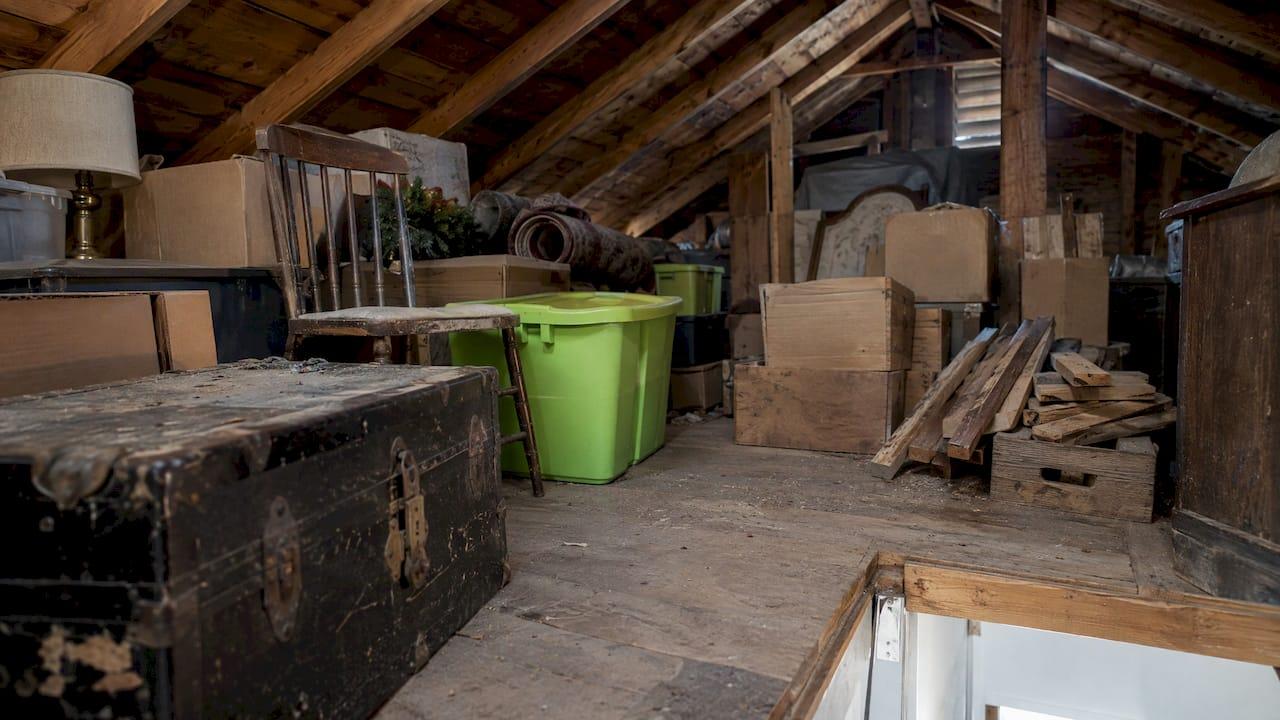
Clear the attic before the insulation crew arrives, in this order: stored items and debris out, problems (leaks, pests, wiring, old insulation) identified and fixed, air leaks sealed, and only then new insulation. Insulation installed over clutter, damp cardboard or a mouse nest hides the problem and wastes the money. We haul away the first part of that list: the boxes, old furniture, scrap lumber and junk that stand between you and a clean, open attic floor.
TL;DR
- Remove everything stored in the attic, plus scrap wood and cardboard that can rot, before any air sealing or insulation work begins.
- The rule is air seal first, then insulate, and you can't seal a floor you can't see.
- Dry, clean old insulation can often stay. Wet, moldy, smoky or rodent-contaminated insulation must come out, and vermiculite should be left alone until an accredited asbestos contractor deals with it.
- After mice, never sweep or vacuum droppings. Stop the infestation first, then wet-clean with disinfectant.
- Schedule the junk haul-out first so the insulation installer, electrician or roofer gets a clear workspace.
Table of Contents
- Why the cleanout comes first
- What to take out of the attic
- Inspect before you insulate
- Should old insulation stay or go?
- Attic cleanout after mice
- The order of work that avoids rework
- What to do about storage afterward
- For realtors, landlords and investors
- Our perspective
- Book the attic cleanout first
- FAQ
- Sources
Why the cleanout comes first
An insulation job has a sequence, and clutter breaks it. The U.S. Department of Energy's attic air sealing and insulation checklist has the contractor inspect the attic for water leaks, moisture, structural or pest damage and ventilation before any work begins. Those inspections need floor and rafters you can see.
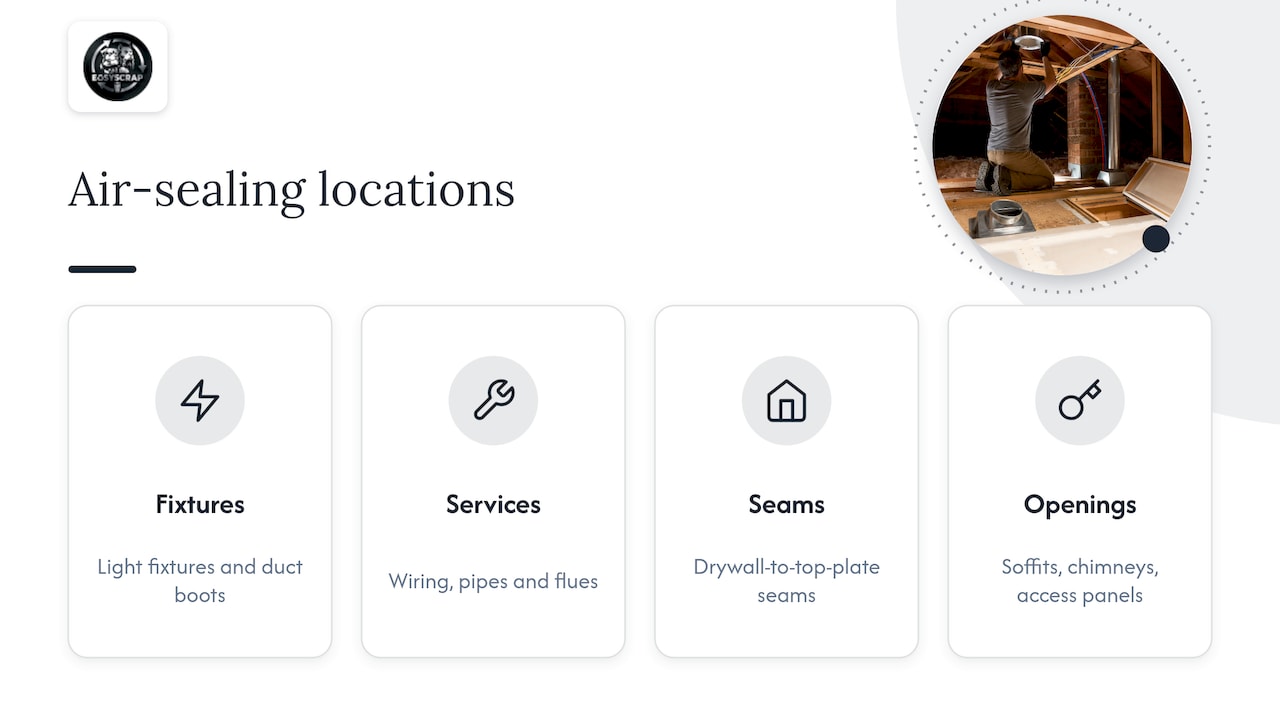
Then comes air sealing. The checklist covers gaps around light fixtures, duct boots, wiring, pipes and flues, the seams where drywall meets the top plate of the wall, large openings such as uncovered soffits, chimneys, and attic access panels. Fibrous insulation is not an air barrier, so it can't stand in for that sealing. Every one of those spots sits under or behind whatever you have stored up there.
There is also a structural reason. The Bonneville Power Administration's weatherization guide says to remove degradable scrap materials from the attic, especially wood and cardboard, because they can rot and damage the structure. It also says to repair water leaks first and confirm the ceiling below is intact and can carry the insulation's weight.
For homeowners, that means one thing: the cleanout is not a cosmetic step. It is the first step of the insulation project.
What to take out of the attic
Walk the attic with a flashlight and sort into four piles.
Haul away
- Cardboard boxes, especially any that are damp, stained or chewed
- Old furniture, mattresses and broken exercise equipment
- Scrap lumber, drywall offcuts and leftover construction debris
- Carpet remnants and old rugs laid on the attic floor
- Anything you haven't opened in years and wouldn't miss
Donate
- Clean, usable furniture, holiday decor and household goods. We donate and recycle whenever possible.
Keep
- Documents, photos and keepsakes. Move them to the main house in plastic bins, since cardboard attracts pests and absorbs moisture.
Set aside for the pros
- Anything touching wiring, a flue, or old insulation you suspect is contaminated
If you are cleaning out a parent's or grandparent's house, or a property you plan to flip, this sorting step is where most of the time goes. Our attic cleanout tips walk through sorting a full attic, and our flip house cleanout guide covers clearing a whole property before demo.
Inspect before you insulate
Once the floor is clear, look for problems that must be corrected first. The DOE's insulation best-practices guide says to hold off on insulation upgrades when you find any of these:
- Moldy or rotted rafters or floor joists, or visible mold or mildew
- Wet or damaged insulation, wood rot, or insect infestation
- Leaking pipes
- Exhaust fans venting into the attic
- A history of ice dams, which matters in New England winters
- Knob-and-tube wiring
- Vermiculite insulation that may contain asbestos
ENERGY STAR gives a similar list and recommends consulting a professional if you find difficult access, damp insulation from a leaky roof, kitchen, bath or dryer vents exhausting into the attic, little or no ventilation, or pre-1930 knob-and-tube wiring. That wiring is common in older New England homes, so check it if your house is old.
Knob-and-tube wiring
Knob-and-tube is an early wiring style with individual wires held off the framing on ceramic knobs. It relies on open air to shed heat. Energy Trust of Oregon explains that the National Electrical Code prohibits insulating over active knob-and-tube wiring, because insulation traps heat around the conductors and can ignite the insulation or the wire's aging cloth sheathing. If you see it, have a licensed electrician assess it before anyone blows insulation over it.
Vermiculite
Vermiculite is a pebble-like, gold-gray loose-fill. The EPA says to assume it may contain asbestos and leave it undisturbed. If you decide to remove it, use a trained and accredited asbestos abatement contractor that is separate from whoever assessed it. Do not sort, sweep or bag it yourself, and do not have a junk crew carry it out as ordinary debris. Clear the rest of the attic around it only once the abatement contractor tells you what is safe.
Should old insulation stay or go?
This is the question that decides your budget. The short version: condition matters, age does not.
The DOE guide on batt insulation in existing attics notes that old insulation is often contaminated with construction debris, plaster scraps and animal droppings, and that older loose-fill may be vermiculite. It adds that existing insulation must be pulled back or removed to reach the ceiling plane for air sealing, and that dust and debris should be cleaned off so sealants stick.
In practice, use this rule of thumb:
| What you see | Usual next step |
|---|---|
| Dry, clean, evenly fluffy insulation, no stains or odor | Can often stay. Air seal through or around it, then add new insulation on top |
| Matted, stained or musty insulation | Fix the leak or moisture source, then remove the affected insulation |
| Droppings, nests or tunnels | Stop the pests, then remove the contaminated insulation |
| Smoke or fire damage | Remove |
| Gold-gray pebbles (possible vermiculite) | Don't touch. Call an accredited asbestos contractor |
| Insulation stuffed into the soffits | Remove so the vents can breathe |
The same DOE comprehensive attic checklist for converting to an unvented attic goes further and has the contractor remove existing attic-floor insulation and any vapor retarder on the attic floor to reduce winter condensation risk. If your insulation contractor is doing that kind of package, expect a full strip-out and plan for the bags.
What do you do with bagged old insulation? Disposal rules and options differ by town and by material, and the bags are bulky and light, so they fill a truck quickly. Our guide to insulation disposal options compares bagging, drop-off and hauling.
Attic cleanout after mice
Mice are the most common reason a homeowner's attic needs to be cleaned before insulation, and the order of work matters for your health.
Stop the infestation first
The San Luis Obispo County Health Agency's rodent cleanup guidance says that before cleaning attics, basements and crawlspaces, the infestation should be eliminated by trapping. Cleaning while mice are still entering just resets the clock. Seal the entry points, and only then clean.
Wet-clean, never sweep
The CDC's rodent cleanup instructions (updated April 2024) are specific:
- Open doors and windows for 30 minutes before cleaning, then leave the area.
- Come back wearing rubber or plastic gloves.
- Never vacuum or sweep droppings, urine or nests. That can put virus-containing droplets in the air.
- Spray the waste with an EPA-registered disinfectant or a fresh bleach solution of 1.5 cups of household bleach per gallon of water. Let it soak for 5 minutes.
- Wipe it up with paper towels and put them in a covered garbage can.
- Mop hard surfaces with disinfectant.
- Seal dead rodents and nests in a plastic bag, tie it shut, then put it inside a second sealed bag in a covered can.
For contaminated insulation, the CDC says to put exposed insulation soiled with urine and droppings into plastic bags for removal. It also says to move storage boxes outside into sunlight, work upwind, and discard contaminated cardboard boxes.
Protective gear for heavy infestations
Where there is heavy rodent activity, the CDC lists coveralls (disposable if possible), rubber boots or disposable shoe covers, rubber, latex or vinyl gloves, goggles, and a half-mask respirator with a HEPA filter. A basic dust mask protects against dust, mold and insulation fibers but not against viruses, according to the county health guidance above. If the droppings are widespread, ask your local or state health department about the right protection and how to dispose of waste before you start.
Contaminated loft insulation is a problem in many countries, and this explanation of insulation pest cleaning shows how removal and sanitizing fit together.
Where the junk crew fits
What you can hand off is the heavy, tedious part: the old boxes, furniture, trunks and debris that have to leave the attic. Clearing those items out in one pass gives you an open floor to inspect, treat and seal. Our attic cleanout page describes the service, and our attic cleanout cost guide explains what drives the price.
The order of work that avoids rework
Here is the sequence we recommend for a typical New England attic project:
- Roof and leak repairs first. If the roof is being replaced, take large scrap wood out of the attic and finish the roof before the rest. Water that gets in later will soak your new insulation.
- Clear the attic. Remove stored goods, cardboard, carpet and debris. Move keepsakes to plastic bins downstairs.
- Deal with pests. Trap, seal entry points, wait, then wet-clean.
- Handle wiring and hazards. Electrician for knob-and-tube, accredited abatement for vermiculite.
- Remove old insulation that failed the condition test.
- Clean the surfaces. Dust and debris stop caulk and foam from bonding, so remove them before sealing. If your project also stirred up a lot of fine dust, a room-by-room dust removal plan helps with the living space below.
- Air seal. Gaps around wiring, pipes, duct boots and flues; top-plate seams; large openings; access hatch.
- Install baffles and ventilation. The DOE checklist calls for baffles at the eaves that extend at least 6 inches above the insulation height, so soffit vents stay open.
- Insulate.
Details from the DOE checklist worth knowing at step 7: use high-temperature caulk or foam around chimneys and flues, insulate and gasket the access panel with at least R-10 rigid foam, and box in recessed lights that aren't rated for insulation contact. Energy Trust adds that code requires at least 3 inches of clearance between non-IC recessed fixtures and insulation. Your insulation contractor should handle those; just don't bury them under boxes first.
What to do about storage afterward
Once the new insulation is in, storing things directly on it compresses it and lowers its R-value, according to a builder's homeowner guide. Keep soffit vents clear too. Many builders say not to use the attic for storage unless there is a plywood platform, and they advise checking for water stains and moisture at least once a year.
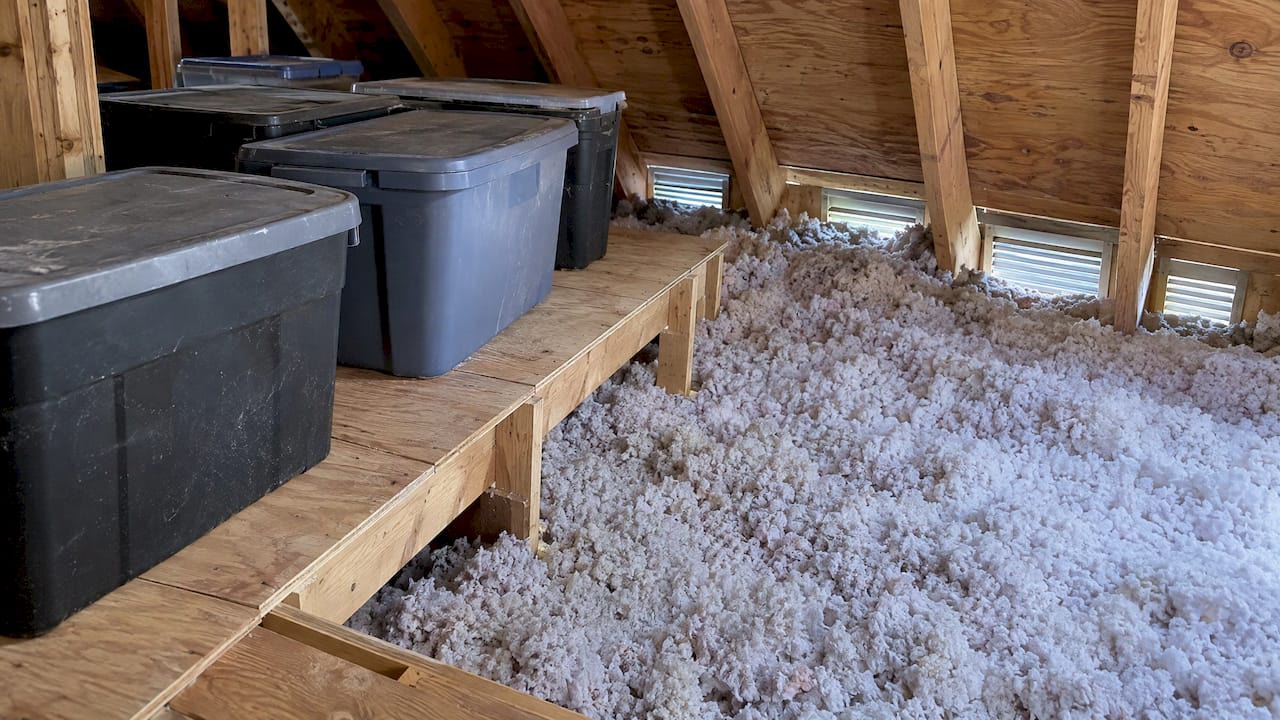
If you do store things up there, use plastic bins instead of cardboard, and keep a short list of what is where so you don't need to disturb the insulation to find it.
For realtors, landlords and investors
A cleared attic makes an inspection faster and a listing cleaner. For a flip or an inherited property, put the cleanout on the schedule before the insulation or energy-audit work, not after. Our pre-renovation cleanout guide explains how to line up a clear-out ahead of contractors, and our estate and property cleanout services cover whole-house jobs. If the property is heavily cluttered, see our hoarder house cleanup guide.
Our perspective
We see the attic as the most expensive room in the house to get wrong. It is hard to reach, nobody looks at it for years, and a lot of what ends up in it is forgotten.
Our view is simple: the cleanout belongs at the front of the insulation project, not squeezed in by the insulation crew on the day. A clear floor lets the inspector see leaks, lets the electrician see wiring, and lets the installer seal and insulate properly. It also keeps the tradespeople you are paying by the hour focused on their own work.
That is where we come in. We are a local junk removal crew serving Lawrence, Andover, Boston, Lowell and Haverhill, with an insured team, free quotes, and the ability to book same day. We donate and recycle whenever possible, so usable furniture and household goods go to local charities instead of the landfill.
Book the haul-out first, and let the next trade start on a clean slate.
Easy
Book the attic cleanout first
EasyScrap handles attic cleanouts for homes and businesses across northeastern Massachusetts and southern New Hampshire, with free quotes and an insured crew. We remove the boxes, furniture and debris, donating and recycling what we can, so your insulation contractor starts with an open floor. See the attic cleanout service or request a quote from our home page.
If the attic is one of several spaces to clear, we also clean out basements and garages in the same visit.
FAQ
Do I have to remove old insulation before adding new?
Not always. Dry, clean, intact insulation can often stay, and the new layer goes over it after the attic floor is air sealed. Wet, moldy, smoky or rodent-soiled insulation should come out, and vermiculite needs an accredited asbestos contractor. Your insulation contractor can tell you which case you have.
Can I vacuum mouse droppings out of the attic?
No. The CDC says never to vacuum or sweep rodent droppings, urine or nests, because it can put virus-containing droplets into the air. Spray them with disinfectant or a fresh bleach solution, let them soak for 5 minutes, and wipe them up with paper towels.
How long should I wait after stopping the mice before cleaning?
The county health guidance above says to eliminate the infestation by trapping first. When there's no evidence of an infestation, it suggests waiting about 5 days before cleaning. For a heavy infestation, ask your local health department about precautions.
What should not be stored in an attic?
Avoid cardboard boxes, carpet, and anything you can't afford to have damp or chewed. Don't place items directly on insulation, because it compresses it and lowers its R-value. Use plastic bins on a plywood platform and keep the soffit vents clear.
When should the cleanout happen relative to a new roof?
If a reroof is planned, remove large scrap wood from the attic when you can, finish the roof, then clean, seal and insulate. Roof work can drop debris and let in water, so do the insulation last.
Sources
- DOE Home Improvement Expert attic air sealing and insulation checklist
- Insulation Institute, DIY insulation
- BPA weatherization best practices guide
- DOE Building America insulation best practices guide
- ENERGY STAR attic insulation project
- Energy Trust of Oregon, how to self-install attic insulation
- EPA, vermiculite insulation in your attic
- DOE Building America, batt insulation for existing vented attics
- DOE comprehensive attic package checklist
- CDC, how to clean up after rodents
- San Luis Obispo County Health Agency, cleaning up after rodents
- Classic Homes homeowner guide, insulation
- Pulte attic care guide